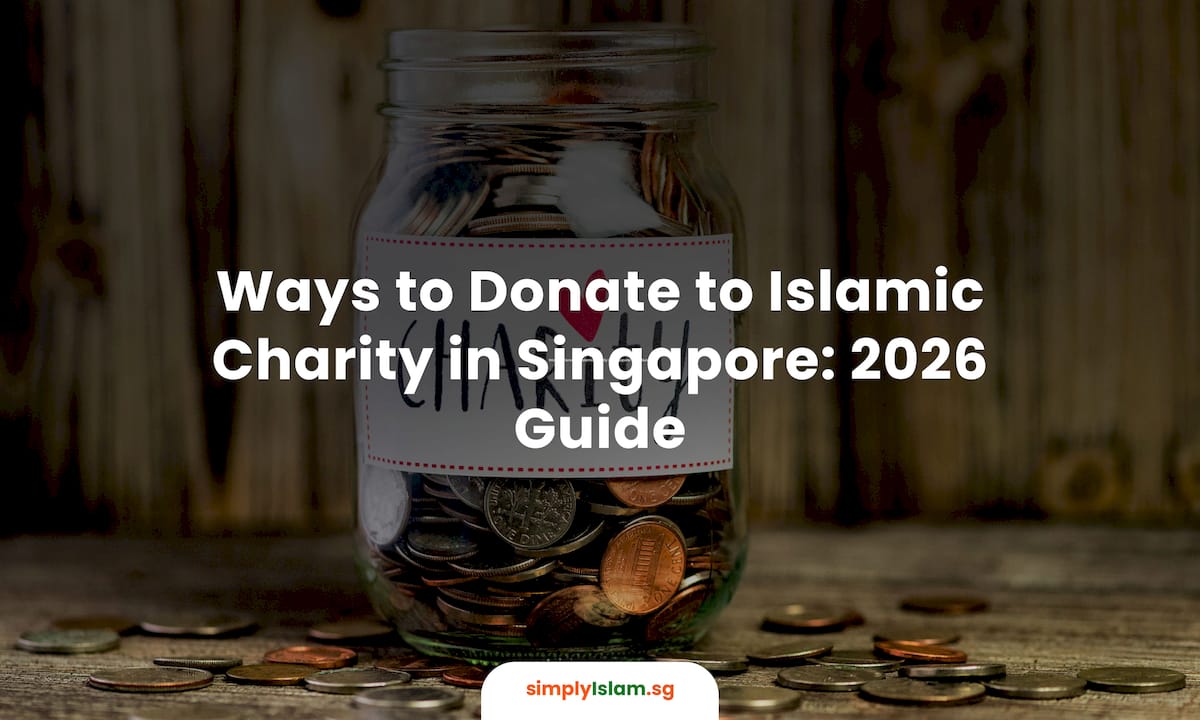


Donating to Islamic charity in Singapore is best done through official, Shari’ah-compliant platforms like MUIS’s zakat.sg, established Islamic NGOs such as PPIS and PERTAPIS, and direct mosque contributions.
These channels cover every type of giving, from obligatory zakat to voluntary sadaqah and general community donations. Each one offers secure payment methods, proper receipts, and clear beneficiary categories. This guide covers the most trusted ways to donate to Islamic charity in Singapore, so you can give with confidence and intention.
1. What are the main ways to donate to Islamic charity in Singapore?
The most trusted Islamic charity options in Singapore fall into three categories: official government-linked platforms, Islamic NGOs, and mosque collection points. MUIS operates zakat.sg as the primary portal for zakat collection. PPIS and PERTAPIS serve as the leading Islamic NGOs accepting sadaqah and general donations. Mosques across Singapore also collect donations directly, especially during Ramadan and Friday prayers.
Each channel serves a different purpose. Zakat.sg handles obligatory giving with full accountability. NGOs like PPIS and PERTAPIS fund targeted welfare programs for women, children, and the elderly. Mosques direct funds to local community needs. Knowing which channel fits your intention is the first step toward giving that counts.

2. Structured Islamic charity platforms and how to use them
Singapore’s Islamic philanthropy ecosystem is built around a few key platforms, each with distinct features and accepted payment modes.
MUIS and zakat.sg
MUIS collects over SGD 60 million annually in zakat through zakat.sg. That scale means your contribution joins a well-managed fund that reaches over 10,500 beneficiaries each year. The platform accepts PayNow, credit card, and bank transfer. You can specify your donation type, whether zakat fitrah, zakat on savings, or fidyah, directly on the site.
PPIS and PERTAPIS
PPIS (Singapore Council of Women’s Organisations affiliate) and PERTAPIS both accept donations via PayNow, bank transfer, cash, and cheque. Both organizations issue tax-deductible receipts as standard practice. When donating, you state your intention, such as general welfare, Ramadan support, or orphan care, so funds are routed correctly.
Key features of these platforms include:
- Zakat.sg: Handles obligatory zakat, fidyah, and Ramadan-specific giving with full MUIS oversight
- PPIS: Focuses on women and family welfare; accepts walk-in cash donations during office hours (Monday to Friday, 9am to 5pm)
- PERTAPIS: Supports youth rehabilitation and elderly care; distinguishes clearly between zakat, sadaqah, and general donations
- Mosques: Collect general sadaqah and specific campaign funds; some have dedicated QR codes for cashless giving
Stating your donation intention clearly on any platform protects the integrity of your giving and ensures funds reach the right beneficiaries.
3. Payment methods for donating to Islamic charity in Singapore
Every major Islamic charity platform in Singapore supports multiple payment methods. Choosing the right one affects speed, traceability, and convenience.
PayNow QR codes are the most widely used method. You scan the organization’s QR code, enter the amount, and add a reference note stating your intention (e.g., “Zakat Savings” or “Sadaqah General”). PayNow via UEN or QR code provides instant confirmation and a digital record. This is the best option for most donors.
Bank and interbank transfers work well for larger amounts or recurring donations. You transfer directly to the organization’s account using their UEN or account number. Always include your full name and donation type in the reference field. This creates a paper trail useful for tax purposes.
Cheque donations are still accepted by PPIS, PERTAPIS, and MUIS. Make the cheque payable to the organization’s full registered name. Mail it with a cover note stating your name, contact, and donation intention. Processing takes longer than digital methods.
Cash donations at mosques and NGO offices remain common, especially among older donors. PPIS and PERTAPIS accept cash during office hours. Mosques collect cash in donation boxes and during organized campaigns.
Mobile apps and digital wallets are growing in use. Some mosques and NGOs have integrated with apps that allow recurring giving setups.
Pro Tip: Always save your PayNow transaction screenshot or bank transfer confirmation. This serves as your donation receipt if the organization’s email confirmation is delayed.
4. Comparison of Islamic charity organizations and mosque donation options
Choosing where to give depends on your goals, the cause you care about, and how you want to donate. The table below compares the main channels.
| Organization | Beneficiary Focus | Accepted Payment Methods | Tax Receipt | Oversight |
|---|---|---|---|---|
| MUIS / Zakat.sg | Zakat recipients, Ramadan aid | PayNow, credit card, bank transfer | Yes | MUIS (government-linked) |
| PPIS | Women, families, children | PayNow, bank transfer, cash, cheque | Yes | Registered charity |
| PERTAPIS | Youth, elderly, rehabilitation | PayNow, bank transfer, cash, cheque | Yes | Registered charity |
| Local mosques | General community welfare | Cash, PayNow QR | Varies | MUIS-regulated |
MUIS centralizes zakat administration and regulates mosques, madrasahs, and halal certification. That governance structure makes it the most accountable channel for obligatory giving. For donors who want to support specific programs, PPIS and PERTAPIS offer more targeted options with clear program descriptions on their websites.
Mosques are the most accessible option for spontaneous giving. Many Singapore mosques now display PayNow QR codes at entrances, making cashless sadaqah simple. For a broader view of where to give, the top Islamic organizations in Singapore guide covers over 20 vetted bodies across different welfare categories.
5. How to choose the right type of Islamic giving for you
Islamic philanthropy in Singapore covers three distinct giving types: zakat, sadaqah, and general donations. Each has different rules, recipients, and spiritual weight.
Zakat is obligatory for every Muslim who meets the nisab threshold. Zakat is 2.5% of zakatable wealth held for one full Hijri year (haul) above the nisab, which stands at approximately SGD 770 as of mid-2026. Zakatable assets include savings, gold, silver, business inventory, and shares. CPF, jewelry valuation, and debt netting are common edge cases that affect the final amount.
- Calculate your nisab. Use the MUIS zakat calculator on zakat.sg or a trusted tool to determine if your wealth qualifies.
- Identify your zakatable assets. Savings, gold, business assets, and shares all count. Debts owed to you may be included; debts you owe can be deducted.
- Handle edge cases carefully. CPF, jewelry, and business assets require specific valuation methods. Consulting a qualified asatizah or using an official calculator is standard practice for these cases.
- Pay through zakat.sg. Select the correct zakat type (savings, income, gold, etc.) and complete payment. You receive a receipt and your zakat is distributed to eligible recipients.
- Consider fidyah if applicable. Fidyah compensates for missed fasts due to illness or old age. MUIS’s Ramadan package allocated SGD 4.3 million to over 10,000 beneficiaries in 2026, with 19% of that coming from fidyah contributions.
Sadaqah is voluntary charity with no fixed amount or schedule. You can give sadaqah anytime, to anyone in need, in any amount. It does not replace zakat but carries its own spiritual reward. General donations fund programs that fall outside strict zakat eligibility, such as mosque renovations, education scholarships, or community events.
Pro Tip: If you are unsure whether your wealth meets the nisab, consult an asatizah at your local mosque or use the official MUIS zakat calculator before the end of your haul year. Underpaying zakat is a serious matter; overpaying is always acceptable.
Key takeaways
The most effective way to donate to Islamic charity in Singapore is to match your giving type to the right platform, whether that is zakat.sg for obligatory giving, PPIS or PERTAPIS for targeted welfare, or your local mosque for community sadaqah.
| Point | Details |
|---|---|
| Use zakat.sg for obligatory giving | MUIS collects over SGD 60 million annually and distributes to 10,500+ beneficiaries. |
| State your intention clearly | Always specify zakat, sadaqah, or general donation when transferring funds. |
| PayNow is the most practical method | It provides instant confirmation and a digital record for your files. |
| Know your nisab before paying zakat | The 2026 nisab threshold in Singapore is approximately SGD 770. |
| Consult an asatizah for complex cases | CPF, jewelry, and business assets require expert guidance for accurate zakat calculation. |
Why intentionality matters more than the amount you give
The question we hear most often is not “where do I give?” but “am I giving correctly?” That shift in focus matters. Giving SGD 50 with a clear niyyah (intention) and proper routing to a verified organization carries more weight than a larger, careless transfer to an unverified account.
One thing many donors overlook is the legal permanence of certain giving structures. Under Singapore law, wakaf assets are irrevocable once dedicated. That is not a technicality. It means donors who set up endowments must plan carefully and state any income reservations explicitly at the time of creation. Most individual donors will never encounter this, but those considering larger planned giving should seek legal and religious counsel together.
For everyday giving, the practical advice is simple. Stick to MUIS-regulated channels or registered charities. Keep your receipts. Review your zakat calculation annually, not just during Ramadan. And do not let complexity become an excuse to delay. The benefits of giving in Ramadan are well documented, but the Sunnah encourages consistent giving throughout the year, not just in one month.
Community giving in Singapore is strong. MUIS’s 2026 Ramadan support package reaching over 10,000 beneficiaries is proof that individual contributions, pooled through trusted channels, create real change. Your SGD 10 sadaqah joins thousands of others and becomes a meal, a school fee, or a month’s rent for a family in need.
Deepen your giving with SimplyIslam Ramadan Charity Basket
SimplyIslam has helped over 22,000 participants connect faith with action, and has raised over SGD 1.1 million for charity through its community programs. If you want to give more meaningfully, understanding the principles behind zakat, sadaqah, and Islamic philanthropy makes every contribution more intentional.
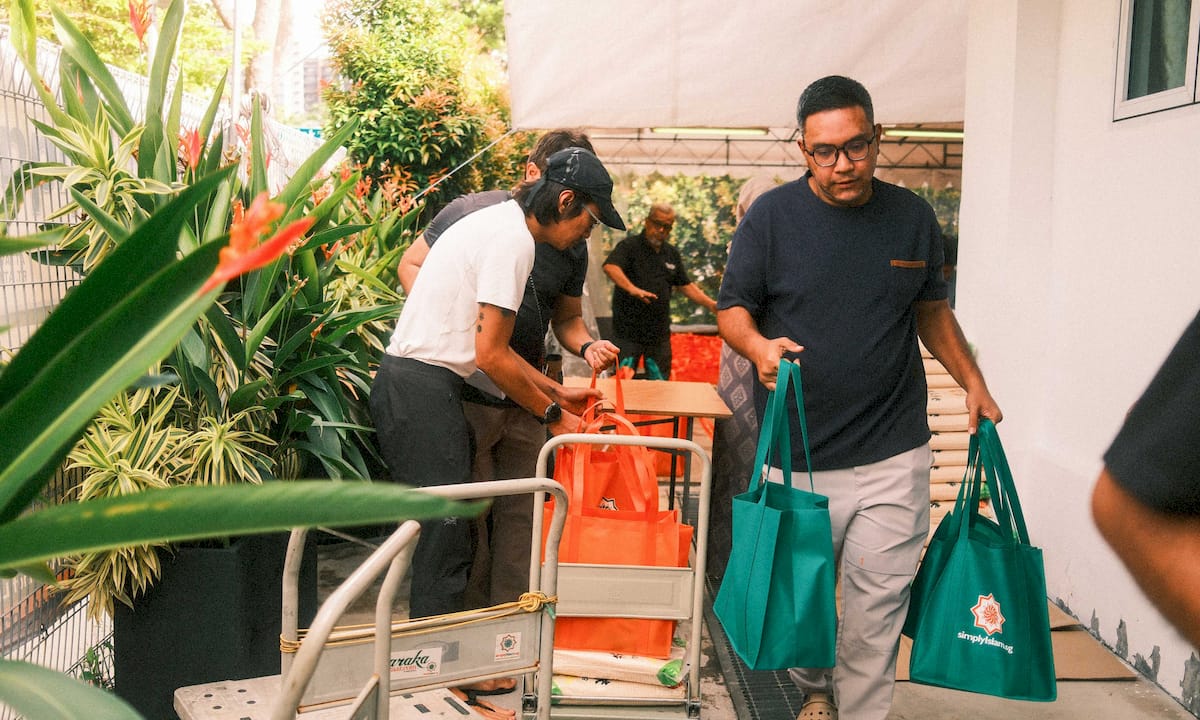
You can explore Ramadan charity projects and Muslim charity campaign guides to find causes aligned with your values. Knowledge and giving go hand in hand. Start with one event and see how it changes the way you approach your next donation.
FAQ
What is the main platform for paying zakat in Singapore?
MUIS operates zakat.sg as the official zakat collection portal in Singapore. It accepts PayNow, credit card, and bank transfer, and covers all major zakat types including savings, income, gold, and fidyah.
Can I get a tax deduction for donating to Islamic charities in Singapore?
Yes. PPIS and PERTAPIS are registered charities that issue tax-deductible receipts for qualifying donations. MUIS-linked donations may also qualify depending on the donation type.
What is the difference between zakat and sadaqah?
Zakat is obligatory for Muslims whose wealth exceeds the nisab threshold (approximately SGD 770 in 2026) after one Hijri year. Sadaqah is voluntary charity given in any amount at any time, with no minimum requirement.
How do I donate to a Singapore mosque online?
Many Singapore mosques now display PayNow QR codes for cashless donations. Scan the QR code, enter your amount, and add a reference note with your name and donation intention.
What should I do if my zakat calculation involves CPF or jewelry?
CPF balances, jewelry valuation, and business assets are edge cases that require specific methods. Use the official MUIS zakat calculator on zakat.sg or consult a qualified asatizah at your local mosque for accurate guidance.