
Connecting with local Muslim charity groups is defined as actively engaging with community organizations that provide social welfare, religious support, and humanitarian aid within your city or neighborhood. Singapore’s Muslim community benefits from a network of mosque-based initiatives, grassroots aid groups, and registered charities that address food insecurity, youth development, and family counseling. You can engage through volunteering, donating zakat or sadaqah, or partnering on outreach programs. SimplyIslam, which has engaged over 22,000 participants and helped raise more than $1.1 million for charity, recognizes this kind of community involvement as a living expression of the Sunnah.
How to connect with local Muslim charity groups: types and services
Singapore’s Muslim charity sector divides into several distinct categories, each serving different community needs. Understanding these types helps you identify which groups align with your personal goals and values.
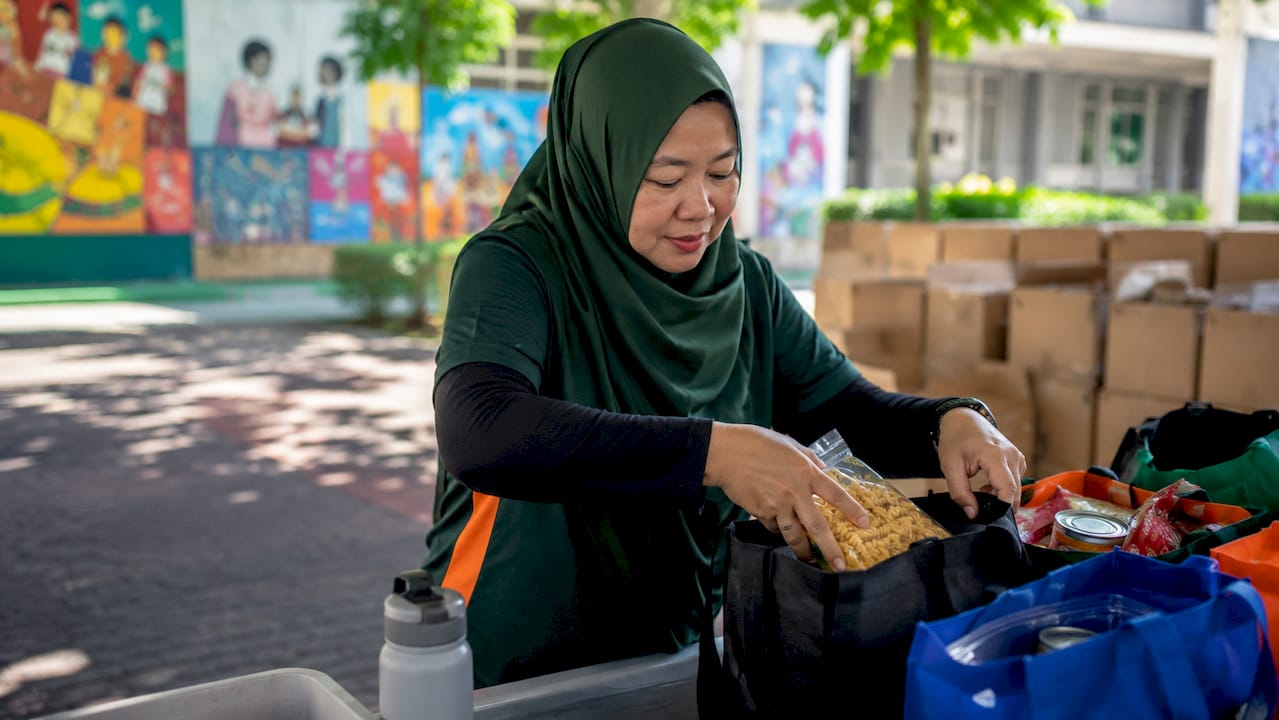
Food aid and welfare organizations distribute groceries, cooked meals, and household essentials to low-income families. These groups often operate through mosque networks and community centers, reaching residents who may not seek help through formal government channels.
Youth support and education charities run tutoring programs, mentorship initiatives, and after-school activities. Their work addresses the fitrah of young Muslims by combining academic support with Islamic values, giving children a grounded sense of identity.
Refugee and migrant assistance programs provide legal guidance, language classes, and basic welfare to displaced communities. These groups practice a form of khidmah, or service, that reflects the Prophet’s care for the vulnerable.
Social welfare organizations cover housing aid, financial counseling, and mental health support. Grassroots organizations provide culturally respectful, dignity-preserving aid that large international agencies often cannot replicate at the neighborhood level.
The distinction between grassroots groups and large-scale organizations matters. Charities that manage both fundraising and direct program delivery offer greater accountability because donors receive clearer impact reports. Mosque-based informal charities are valuable community anchors, but local mosques often lack formal tax-exempt status or Shariah certification, which affects donation deductions and zakat validity. Always verify a group’s legal registration before directing zakat funds to them.
Pro Tip: Ask any charity you approach whether they hold a formal Shariah supervisory board or work with a recognized Islamic scholar for zakat oversight. This one question separates accountable organizations from well-meaning but unverified ones.
What should you consider before engaging with a Muslim charity group?
Preparation before engagement saves time and prevents misaligned expectations. Start by clarifying your purpose, because the type of involvement you seek shapes which organizations are the right fit.
- Define your goal. Decide whether you want to give zakat, donate sadaqah, volunteer your time, raise awareness, or form an institutional partnership. Each goal points to a different type of organization and a different entry point.
- Verify legitimacy and transparency. Organizations with 4-star Charity Navigator ratings, such as Islamic Relief USA, publish detailed annual financial audits. Apply the same standard locally: ask for annual reports, financial summaries, and program outcome data before committing funds.
- Confirm Shariah compliance for zakat. Not every charity has formal Shariah supervision, and this is vital for zakat-specific donations. Giving zakat to an unverified group may not fulfill your religious obligation.
- Assess your available skills and time. Volunteering roles range from event setup and social media management to counseling and translation. Match your skills to the organization’s actual needs rather than assuming they need what you offer.
- Identify where to find groups. Mosque noticeboards, community center bulletin boards, and online platforms are the most reliable starting points in Singapore. SimplyIslam’s charity contribution guides also list verified local initiatives worth exploring.
Pro Tip: Before your first meeting with any charity, prepare three questions: How do you report program outcomes? Who oversees your zakat distribution? What volunteer roles are currently open? These questions signal seriousness and help you assess fit quickly.
How do you find and connect with Muslim charity groups step by step?
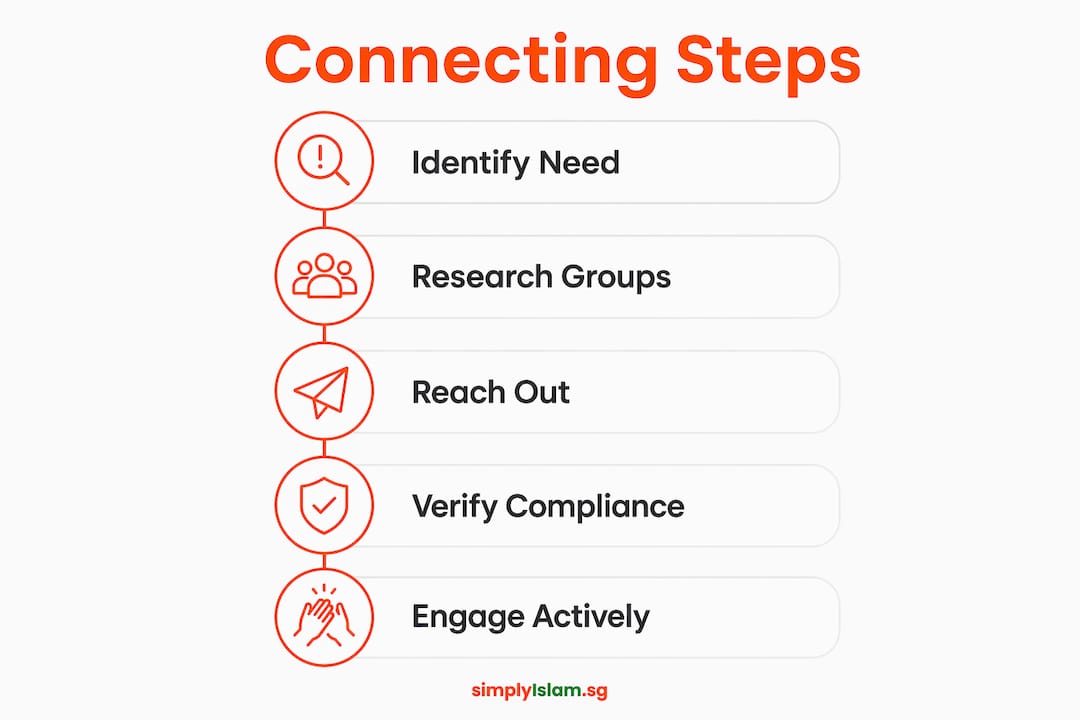
Finding and joining local Muslim aid groups follows a clear process. Each step builds on the last, moving you from awareness to active, sustained involvement.
- Identify the community need you care about most. Food insecurity, youth education, and refugee support each require different types of organizations. Narrowing your focus makes your search more efficient and your contribution more meaningful.
- Search online directories and mosque referrals. Singapore’s mosques maintain lists of affiliated welfare groups. Community centers and Islamic organizations often post updated directories. SimplyIslam’s Islamic events calendar lists community gatherings where you can meet charity representatives in person.
- Make first contact professionally. Send a brief email or call the organization’s listed number. Introduce yourself, state your interest, and ask about current volunteer or donation needs. Keep your message concise and specific.
- Attend an orientation or volunteer training session. Many organizations require no prior experience for operational roles like event support, outreach, and administration. Orientation sessions clarify expectations and help you understand the group’s culture and values.
- Join mailing lists and social media groups. Most active charities maintain WhatsApp groups or email newsletters. Staying on these lists keeps you informed about upcoming Muslim charitable events and urgent needs.
- Confirm donation transparency before giving. Ask for a breakdown of how funds are allocated. Charities that manage end-to-end program delivery provide the clearest accountability. Review this information before making any financial commitment.
- Build regular communication for deeper involvement. One-time donations and single volunteer shifts have value, but sustained relationships multiply your impact. Schedule recurring contributions or monthly volunteer commitments to become a reliable part of the organization’s community.
| Step | Action | What to look for |
|---|---|---|
| 1. Identify need | Choose a cause area | Food aid, youth, refugee support, education |
| 2. Search | Mosques, directories, SimplyIslam events | Updated listings, verified organizations |
| 3. Contact | Email or phone | Clear response, transparent communication |
| 4. Orientation | Attend training | Defined roles, welcoming culture |
| 5. Stay connected | Join mailing lists | Regular updates, event invitations |
| 6. Verify donations | Request financial reports | Shariah oversight, outcome data |
| 7. Commit regularly | Monthly volunteering or giving | Sustained relationship, measurable impact |
What are effective ways to volunteer beyond making donations?
Volunteering with Muslim charities offers personal growth alongside community benefit. Financial contributions matter, but time and skills often fill gaps that money cannot.
- Event support roles include setup, registration, and logistics coordination for charity drives, fundraising dinners, and community iftars. These roles require minimal training and provide immediate, visible impact.
- Outreach and awareness work involves distributing information in neighborhoods, speaking at mosques, or managing social media accounts. This work expands a charity’s reach without requiring a large budget.
- Administrative and professional skills such as accounting, legal advice, graphic design, and IT support are chronically underfilled in smaller grassroots organizations. Offering these skills pro bono can transform a group’s capacity.
- Education and counseling roles suit those with teaching backgrounds or mental health training. Youth mentorship and family counseling programs depend on consistent, qualified volunteers.
- Translation and cultural liaison work is especially valuable in Singapore’s diverse Muslim community, where Malay, Tamil, Bengali, and Arabic speakers serve different segments of the population.
Year-round engagement retains donors and volunteers far more effectively than seasonal-only giving such as Ramadan campaigns. Consistent involvement builds trust, deepens relationships, and gives you a clearer picture of the organization’s actual impact. Balancing volunteer commitments with personal obligations requires honest self-assessment. Start with a monthly half-day commitment and scale up once you understand the rhythm of the organization.
Pro Tip: Offer your professional skills before your free time. A lawyer who donates two hours of legal advice creates more organizational value than the same person spending two hours sorting donations. Charities remember skilled volunteers.
What are common challenges when connecting with Muslim charity groups?
Several obstacles appear regularly when Muslims in Singapore try to get involved with local aid groups. Knowing these challenges in advance helps you navigate them without losing momentum.
- Limited visibility of smaller groups. Many grassroots charities operate through word of mouth and mosque networks rather than polished websites. Searching only online means missing some of the most effective local organizations.
- Difficulty verifying Shariah compliance. Formal Shariah supervisory boards are not universal, and some groups use Islamic language without formal oversight. Always request documentation rather than accepting verbal assurances.
- Misaligned expectations. Volunteers sometimes arrive expecting high-impact roles and find themselves doing administrative tasks. Charities sometimes expect long-term commitment from people who intended a one-time contribution. A direct conversation at the outset prevents both disappointments.
- Language and cultural barriers. Singapore’s Muslim community includes Malay, South Asian, Arab, and convert communities with distinct cultural norms. A charity serving one community may feel unfamiliar to members of another. Seek organizations that reflect your own community’s culture or that actively bridge across communities.
- Sustaining involvement after the initial enthusiasm fades. Many people engage intensely during Ramadan and then disengage. Building a habit of regular involvement requires scheduling it like any other commitment.
“The believer to the believer is like a building, each part supporting the other.” (Sahih al-Bukhari 481). This hadith captures exactly what sustained charity engagement looks like in practice. A community that shows up consistently, not just in peak seasons, becomes structurally sound.
Key Takeaways
Connecting with local Muslim charity groups in Singapore requires clear personal goals, verified organizations, and a commitment to sustained involvement rather than one-time giving.
| Point | Details |
|---|---|
| Know your engagement type | Decide between zakat giving, sadaqah, volunteering, or partnership before approaching any group. |
| Verify Shariah compliance | Request formal oversight documentation, especially for zakat, before committing funds. |
| Use multiple discovery channels | Combine mosque referrals, online directories, and community events to find verified local groups. |
| Volunteer your skills, not just your time | Professional skills like legal, design, or IT work fill critical gaps in grassroots organizations. |
| Commit year-round | Sustained involvement builds trust and multiplies community impact far beyond seasonal giving. |
Why I believe grassroots engagement matters more than most people realize
People often underestimate how much a small, consistent commitment changes a community’s capacity. I have seen organizations transform when even three or four reliable volunteers show up every month. The difference is not the number of hours. It is the predictability.
Grassroots Muslim charities in Singapore carry something that larger organizations cannot always replicate: cultural fluency. They know which families are too proud to ask for help. They know which children need a mentor who speaks their language. That knowledge comes from proximity, not from a program manual.
My honest advice is to resist the pull toward the most visible or well-branded charity. The group with the modest website and the mosque noticeboard flyer is often doing the most grounded work. Verify them carefully, then commit to them fully. You can explore Islamic teachings on service to deepen your understanding of why this kind of khidmah carries such spiritual weight.
The first step is always the hardest. Make one phone call this week. Attend one event. The community you are looking for is already there, waiting for you to show up.
— Lily
SimplyIslam supports your path to community engagement
SimplyIslam connects Muslims in Singapore with the knowledge and community networks needed to give and serve with confidence. The platform has engaged over 22,000 participants and helped raise more than $1.1 million for charity, making it one of Singapore’s most trusted Islamic education and community resources.
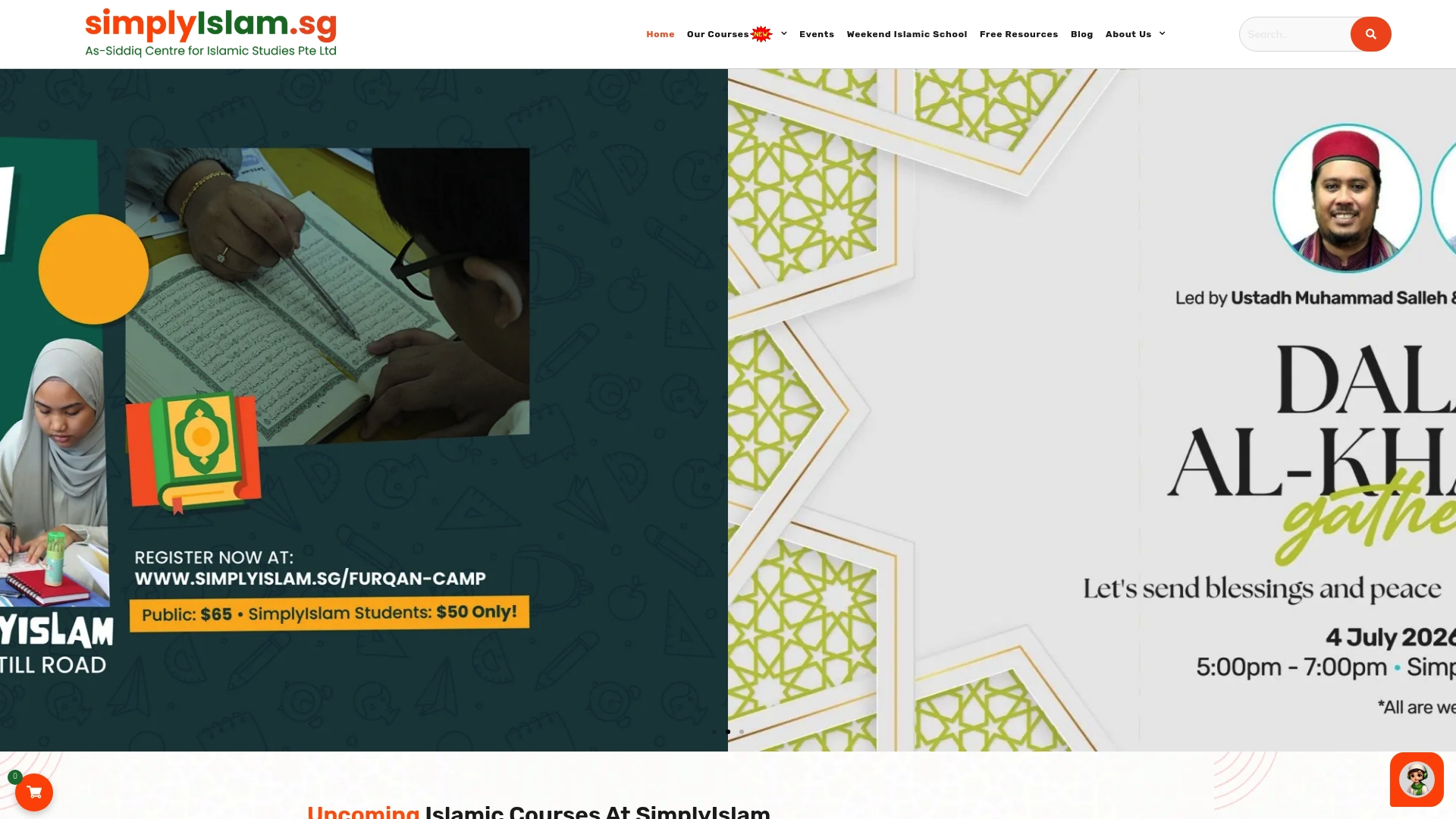
SimplyIslam’s Islamic events calendar lists upcoming workshops, charity drives, and community programs where you can meet local aid groups directly. For those who want to deepen their understanding of Islamic giving before engaging, the free Islamic resources library covers zakat, sadaqah, and the principles of responsible philanthropy. Whether you are taking your first step or looking to deepen an existing commitment, SimplyIslam provides the context and connections to make your involvement count.
FAQ
What types of Muslim charity groups operate in Singapore?
Muslim charity groups in Singapore include food aid organizations, youth mentorship programs, refugee assistance groups, and social welfare charities. Many operate through mosque networks or as registered voluntary welfare organizations.
How do I verify that a Muslim charity is Shariah-compliant?
Ask the organization for documentation of formal Shariah supervisory oversight, especially before directing zakat funds. Not every charity has this certification, and giving zakat to an unverified group may not fulfill your religious obligation.
Can I volunteer with Muslim charities if I have no prior experience?
Many organizations welcome volunteers for event support, outreach, and administration with no prior experience required. An orientation session typically covers all the training you need to get started.
How do I find Muslim charitable events near me in Singapore?
Mosque noticeboards, community center listings, and SimplyIslam’s events calendar are reliable sources for upcoming Muslim charitable events and volunteer opportunities in Singapore.
Is year-round involvement better than giving only during Ramadan?
Year-round engagement builds deeper community relationships and sustains organizational capacity far more effectively than seasonal giving. Consistent involvement also gives you a clearer picture of how your contributions create real impact.