





The blessed month of Rajab is fast approaching and there’s no better time for us to learn and refresh our memories on the importance and virtues of this holy month.
Everyone might be highly aware of the Gregorian calendar, but not many people are well-educated on the Hijri calendar, the names and order of each month, especially the stories and historical events marked in every month.
As Muslims, let’s take initiative to understand our holy months better, by understanding the meaning of each name of the month, significance, virtues, as well as what we can do on the particular month, starting with the blessed month of Rajab.

What is ‘Rajab’?
Rajab (Arabic: رَجَب) is defined as the seventh month of the Islamic calendar. The meaning of Rajab comes from the classical Arabic verb rajaba, which means “to respect”, or “be awe or be in fear”.
Rajab is considered one of the four most sacred months in our Hijri Calendar, including Muharram, Dhul Qa’dah, Dhul-Hijjah, and this month is special for its forbiddance in bloodshed. This means any battle or war is strictly prohibited in this month, and good deeds are highly encouraged.

When is Rajab in 2025?
Rajab in 2025 is expected to fall on the evening of 22nd December (Monday), ending on the evening of 19th January 2026 (Monday).
Who were the key figures born in Rajab?
Some prominent figures were born on the holy month of Rajab, including Sayyidina Ali (radiallahu anhu) and Ibn Rajab al-Hanbali (rahimahullahu ta’ala).
Sayyidina Ali (radiyallahu ‘anhu):
Sayyidina Ali, the cousin and son-in-law of the Prophet Muhammad ﷺ, was born inside the Ka‘bah on the 13th of Rajab, a distinction shared by no one else. Renowned for his deep faith, wisdom, courage, and eloquence, he was the fourth Caliph of Islam and one of the earliest believers to embrace Islam. Sayyidina Ali’s life exemplified unwavering devotion to Allah Almighty, justice in leadership, and humility in character. His sayings and letters remain a profound source of guidance and reflection for Muslims.
Ibn Rajab al-Hanbali (rahimahullahu ta‘ala):
The eminent 14th-century scholar, Abd al-Rahman ibn Ahmad ibn Rajab al-Hanbali, was a leading authority in Hadith, Fiqh, and spiritual refinement. He was known for his deep understanding of Islamic sciences and his ability to harmonize legal knowledge with spiritual insight. His title “Ibn Rajab” originated because his grandfather was born in the month of Rajab. Among his most celebrated works is Jāmi‘ al-‘Ulūm wal-Hikam, a comprehensive commentary on the forty hadiths of Imam al-Nawawi, revered for its depth and clarity.

Significance of Rajab
We’ve covered the definition of Rajab, the date of Rajab in 2025 and 2026, and the key prominent figures born in this holy month. Let’s look at the significance of Rajab:
One of the Four Sacred Month:
Being ranked as the top four sacred month in the Islamic calendar holds significant importance. On this month, bloodshed, war, fighting and conflict are strictly forbidden. The word “Rajab” itself means “to respect”.
The Miraculous Event of Al-Isra wal Mi’raj:
The most popular miraculous event we are often reminded of every year is the Al-Isra’ wal Mi’raj. This miraculous incident took place on the 27th of Rajab, entailing the night journey where Prophet Muhammad (ﷺ) traveled from Makkah to Jerusalem (Al-Aqsa Mosque) by riding a Buraq, and then ascended through the seven heavens.
Increased Spiritual Reward and Punishment:
Consequences are heavier on this blessed month, so it teaches us to be mindful with our thoughts and actions. Good deeds are more virtuous and rewarded heftily, and sins on the other hand, would also carry heavier weight. Before we think of sinning, think about the weight and impact of your actions.
Warm Up to Prepare for Ramadan:
The blessed month of Rajab is just two months away from Ramadan, making it the perfect time to guide us in the month of Ramadan. This is the time where most would start observing Sunnah fasting, focusing on increasing our good deeds and decreasing bad ones.
Focus on Worship and Reflection:
On this Rajab month, we are highly encouraged to increase our quality and quantity of worship, focusing on building a better relationship with Allah Almighty, the Quran, our beloved Prophet Muhammad ﷺ, the people around us and our environment. It is a true moment of self-reflection, improving ourselves for the better.

Significance of the 27th of Rajab
To recap, the 27th Rajab is one of the most important dates in our Islamic calendar, marking the miraculous event of Al-Isra’ wal Mi’raj, or the Night Journey and Ascension of Prophet Muhammad ﷺ.
The events of the Night Journey and Ascension (Israʾ and Miʿraj) include:
Israʾ: The Prophet Muhammad’s ﷺ journey from Makkah to Masjid al-Aqsa in Jerusalem.
Miʿraj: The Prophet’s ﷺ subsequent ascension through the heavens to meet with Allah Almighty.
The significance of this event is when the Prophet Muhammad ﷺ was first given the five daily prayers instead of 50 raka’ahs and met other prophets (may Allah bless them all).
Rajab in the Qur’an and Hadith
On the Four Sacred Months:
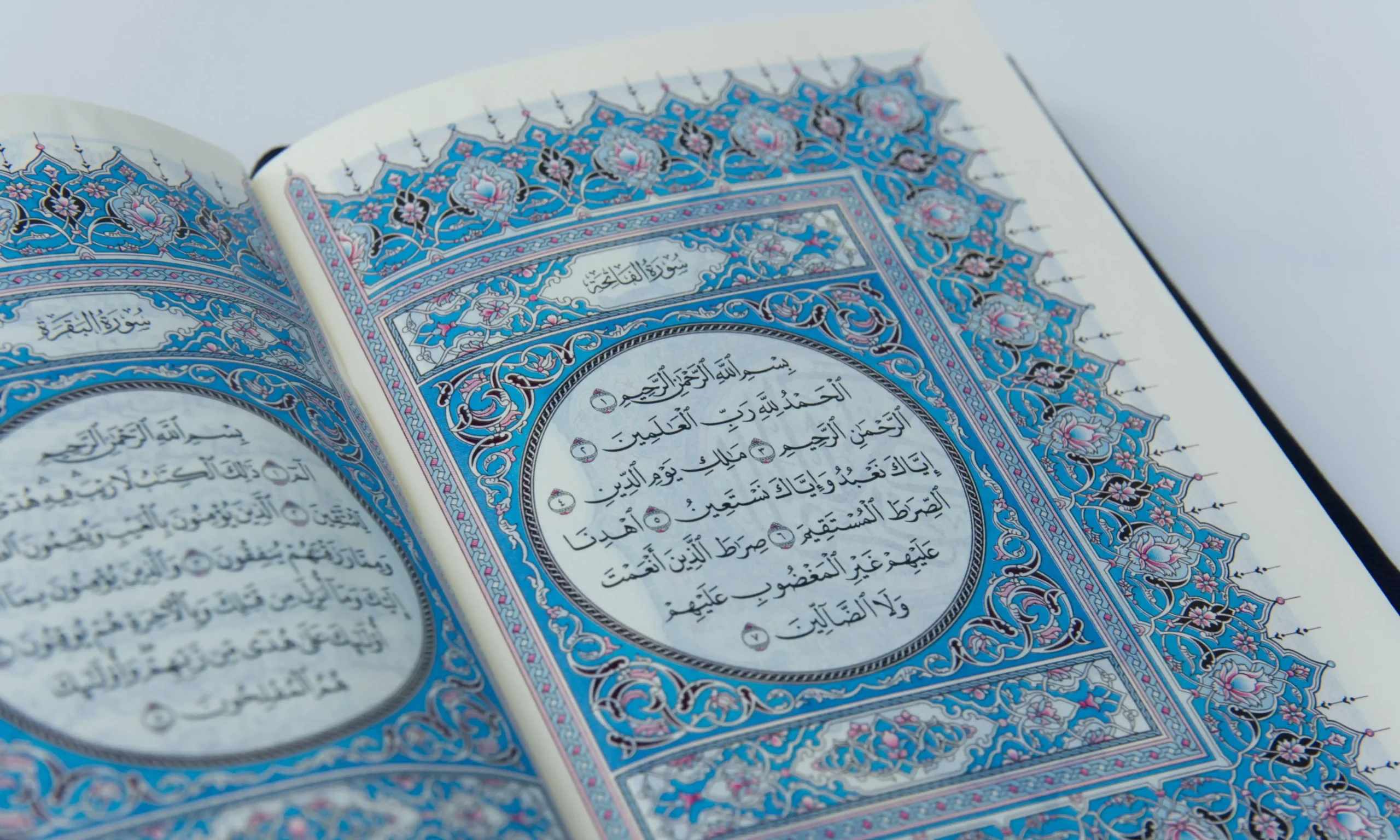
إِنَّ عِدَّةَ الشُّهُورِ عِندَ اللَّهِ اثْنَا عَشَرَ شَهْرًا فِي كِتَابِ اللَّهِ يَوْمَ خَلَقَ السَّمَاوَاتِ وَالْأَرْضَ مِنْهَا أَرْبَعَةٌ حُرُمٌ ۚ ذَٰلِكَ الدِّينُ الْقَيِّمُ ۚ فَلَا تَظْلِمُوا فِيهِنَّ أَنْفُسَكُمْ ۚ وَقَاتِلُوا الْمُشْرِكِينَ كَافَّةً كَمَا يُقَاتِلُونَكُمْ كَافَّةً ۚ وَاعْلَمُوا أَنَّ اللَّهَ مَعَ الْمُتَّقِينَ
“God decreed that there are twelve months in the year—set by God’s decree on the day He created the heavens and the earth—four months of which are sacred: this is the correct calculation. Do not wrong your souls in those months—though you may fight the idolaters at any time if they fight you—remember that God is with those who are mindful of Him.” (Qur’an 9:36)
Narrated Abu Bakr (radiallahu anhu):
The Prophet (ﷺ) said, “Time has come back to its original state which it had when Allah created the Heavens and the Earth; the year is twelve months, four of which are sacred. Three of them are in succession; Dhul-Qa’da, Dhul-Hijja and Al-Muharram, and (the fourth being) Rajab Mudar (named after the tribe of Mudar as they used to respect this month) which stands between Jumad (ath-thani) and Sha’ban.” [Sahih Al Bukhari]
On Sunnah Fasting:
‘Uthman b. Hakim al-Ansari said:
I asked Sa’id b. Jubair about fasting In Rajab, and we were then passing through the month of Rajab, whereupon he said: I heard Ibn ‘Abbas (Allah be pleased with both of them) as saying: The Messenger of Allah (ﷺ) used to observe fast (so continuously) that we (were inclined) to say that he would not break (them) and did not observe them so conti- nuously) that we (were inclined to say) that he would not observe fast. [Sahih Muslim]
Usamah bin Zaid said:
“I said: ‘O Messenger of Allah, I do not see you fasting any month as much as Shaban.’ He said: ‘That is a month to which people do not pay much attention, between Rajab and Ramadan. It is a month in which the deeds are taken up to the Lord of the worlds, and I like that my deeds be taken up when I am fasting.”‘ [Sunan An-Nasa’i]
Anas (radiallahu anhu) said that when Rajab came God’s Messenger said, “O God, bless us in Rajab and Sha’ban and bring us to Ramadan.” He also quoted him as saying, “Thursday night is a very bright night and Friday is a shining day.” [Mishkat Al-Masabih]
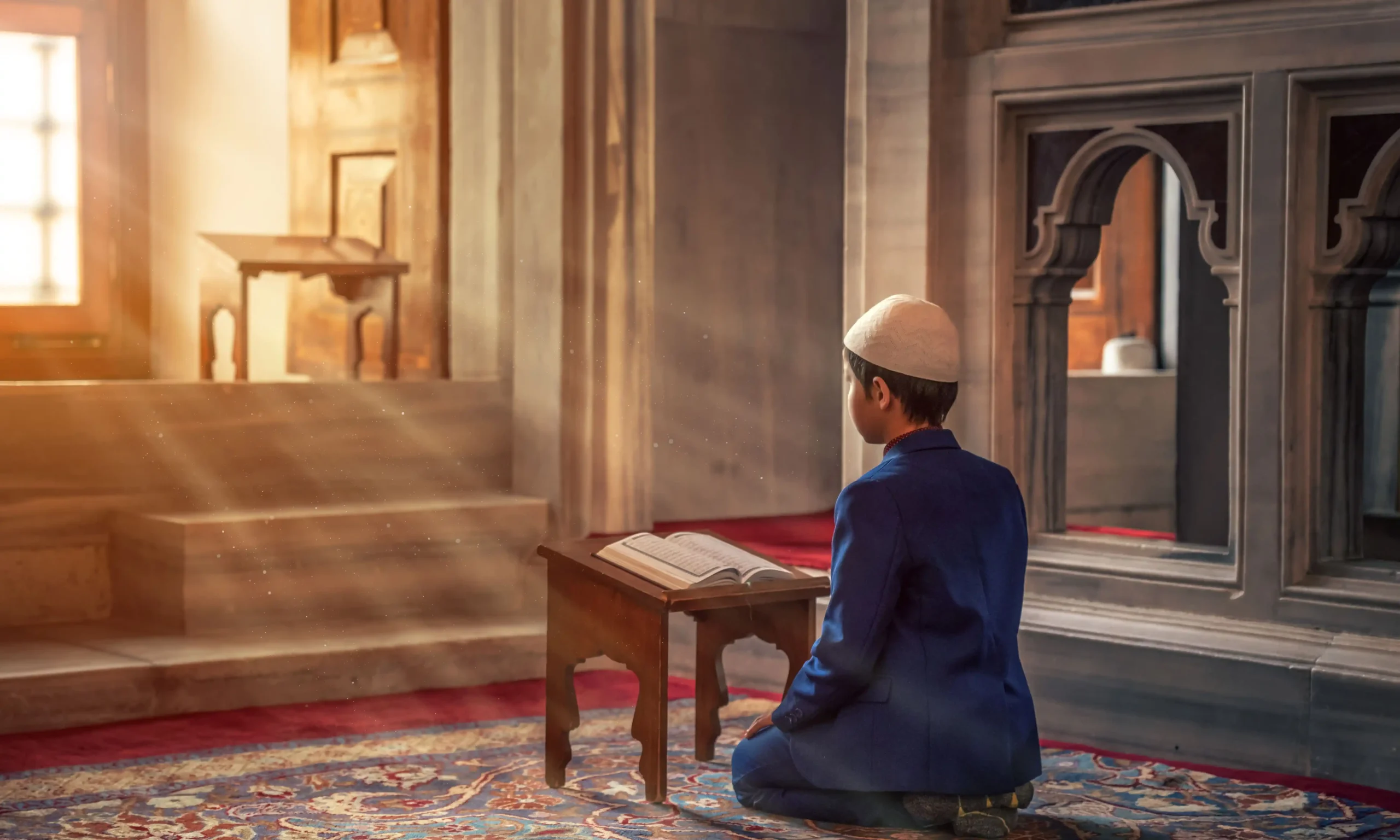
Seven Virtues of Rajab
What’s the hidden virtue behind the blessed month of Rajab? Let’s explore some of the spiritual virtues we could all benefit from:
Seek Forgiveness:
Besides being known as the sacred month where all consequence of actions are weighed heavier, it is also a month of seeking forgiveness. Why? On this blessed month, by Allah’s Divine Mercy, He frees many people from the Fire during this time.
Increased Worship:
Allah Almighty encourages us to do good all the time, but especially on this month, we are to strive to perform the best we can. This include acts of worship like reciting and understanding the meaning of the Qur’an, performing Sunnah prayers, observe Sunnah fast, recite Salawat, Dhikr and many more.
A Moment of Self-Reflection:
Allah Almighty has always encouraged us to engage in contemplation, in self-reflection. The sacred month of Rajab provides us all an opportunity for introspection, especially when we revisit the miraculous story of Al-Isra’ wal Mi’raj and what this event means to us as Muslims.
Increase Compassion:
Being compassionate and merciful towards others is highly encouraged on this blessed month. It’s a time for us to extend our helping hand through acts of charity, as well as other Sunnah acts that improve our social relationships with others.
Spiritual Preparation for Ramadan:
Rajab is the time for us to prepare ourselves spiritually, physically and mentally, as it is two months away from Ramadan, and a month away from Sha’ban. These three consecutive months act as a training ground for us to improve ourselves for the better.
Sincere Repentance:
Allah Almighty accepts repentance anytime, but on this blessed month, it is where our actions are weighed more severely. So, turn in repentance, for it brings immense rewards and turn a new leaf just in time for Sha’ban and Ramadan.
Abstaining from Sins:
Because this blessed month is where actions held heavier consequences, this also encourages us to abstain from sins and work on self-restraint and discipline.
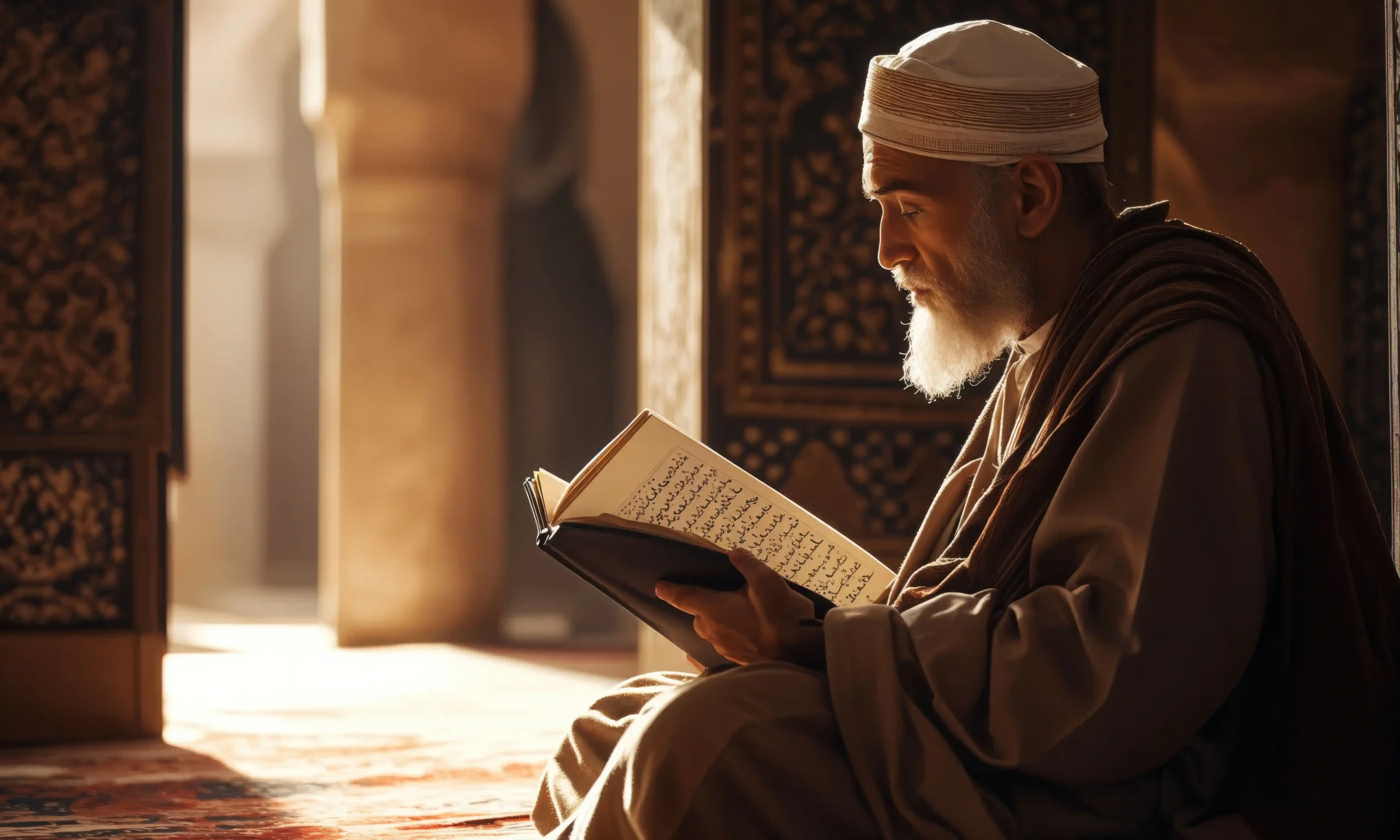
15 Acts of Worship to Do in Rajab
Perform Voluntary Prayers:
Increase your Sunnah prayers throughout the month. If you can’t do them all, start with one Sunnah prayer a day on a day you feel most comfortable with, then progressively increase where you can.
Recite the Quran:
Dedicate more time to not only reading but also understanding the message and reflecting on the Quran. There’s no act of worship better than contemplating on the words of Allah Almighty.
Remember Allah Almighty:
Engage in reciting your daily adhkar. Some of the adhkar you can recite are: SubhanAllah, Alhamdulillah, Lailaha ilallah, Allahuakbar, SubhanAllahi wabihamdihi, SubahnAllah hil adhim, and much more.
Make Sincere Duas:
Recite the specific dua recommended at the beginning of Rajab for blessings and for being able to witness Ramadan:
اللَّهُمَّ بَارِكْ لَنَا فِي رَجَبٍ وَشَعْبَانَ، وَبَلِّغْنَا رَمَضَانَ
Allāhumma bārik lanā fī Rajab wa Sha‘bān wa ballighnā Ramaḍān.
“O Allah, bless us in Rajab and Sha‘ban, and let us reach Ramadan.”
Engage in Istighfar:
Every moment is a good opportunity to seek forgiveness from Allah for all your committed sins. Recite it especially more often in this blessed month.
Pray for Guidance:
Make heartfelt supplications for guidance and blessings. One of the du’as you can practice is as follows:
رَبَّنَا لَا تُزِغْ قُلُوبَنَا بَعْدَ إِذْ هَدَيْتَنَا وَهَبْ لَنَا مِنْ لَدُنكَ رَحْمَةً ۚ إِنَّكَ أَنْتَ الْوَهَّابُ
Rabbana lā tuzigh qulūbanā ba‘da idh hadaytanā wa hab lanā min ladunka raḥmah, innaka anta al-Wahhāb.
“Our Lord, do not let our hearts deviate after You have guided us. Grant us Your mercy; You are the Ever Giving.”
Fasting on Mondays and Thursdays:
If you’re used to observing your Sunnah fasts on Mondays and Thursdays, continue to do so especially in the month of Rajab.
It was narrated that Hafsah said:
“The Messenger of Allah used to fast Thursday and Monday of each month, and Monday of the following week.” [Sunan An-Nasa’i]
Fasting on the White Days:
Fast on the 13th, 14th, and 15th days of Rajab.
Abu Hurayrah (may Allah be pleased with him) said:
“My close friend (the Prophet ﷺ) advised me to do three things: to fast three days of every month, to pray two rak‘ahs of Duha, and to pray Witr before sleeping.” [Sahih Al-Bukhari]
Engage in Salawat:
Rajab is indeed a blessed time to send blessings upon our beloved Prophet Muhammad ﷺ. Don’t stop the practice, and let it continue even in your daily life.
Seek Forgiveness:
Seeking forgiveness from Allah Almighty is a great way for us to be closer to Him. Focus on making sincere repentance from your sins, and let His Divine Mercy and Blessings fill your heart and soul, Insha’Allah.
Abstain from Sins:
Be mindful that committing sins in Rajab carries a severe warning, so avoid wrongdoing.
Give Charity:
This is the time for us to contribute, to give generously to those in need, as the reward for acts of charity is amplified during Rajab.
Sayyidina ‘Ali (radiallahu anhu) reported God’s Messenger as saying,
“Give the sadaqa without delay, for it stands in the way of calamity.” [Mishkat Al-Masabih]
Mend Relationships:
Improve your relationships with family, friends, and neighbours. Don’t sever ties, and continue to tend to them and let them bloom with mercy, love and compassion.
‘Abdullah bin ‘Amr Al-‘as (May Allah be pleased with them) reported:
The Prophet (ﷺ) said, “The person who perfectly maintains the ties of kinship is not the one who does it because he gets recompensed by his relatives (for being kind and good to them), but the one who truly maintains the bonds of kinship is the one who persists in doing so even though the latter has severed the ties of kinship with him”. [Al-Bukhari]
Prepare for Ramadan:
Use this month to spiritually and physically train yourself for Ramadan. Start with observing Sunnah fasts, or make up for missed fasts if you haven’t already, and focus on reconnecting with the Quran and other acts of worship if you find that you’re lacking.
Reflect on Your Actions:
From time to time, assess your spiritual state, make efforts to rectify it, and strive improve yourself by rectifying your intentions, increasing good deeds, and decreasing bad ones.
Conclusion
The month of Rajab is not just another page in the Hijri calendar. It is a divine invitation to pause, reflect, and realign our hearts with Allah Almighty.
As one of the four sacred months, Rajab carries immense spiritual weight and offers countless opportunities for forgiveness, renewal, and growth. From the miraculous journey of Al-Isra’ wal Mi‘raj to the noble examples of figures like Sayyidina Ali (ra) and Ibn Rajab (rahimahullah), this month reminds us of the depth and beauty of our faith.
As we journey through Rajab, let us use this time to purify our intentions, seek forgiveness, and draw closer to Allah through prayer, fasting, remembrance, and compassion.
Let Rajab be our warm-up, a spiritual awakening that prepares our hearts for the blessed months of Sha‘ban and Ramadan ahead. May Allah bless us in Rajab and Sha‘ban, and allow us to witness Ramadan with renewed faith and sincerity.
اللَّهُمَّ بَارِكْ لَنَا فِي رَجَبٍ وَشَعْبَانَ، وَبَلِّغْنَا رَمَضَانَ
Allāhumma bārik lanā fī Rajab wa Sha‘bān wa ballighnā Ramaḍān.
“O Allah, bless us in Rajab and Sha‘ban, and let us reach Ramadan.”