
Introduction
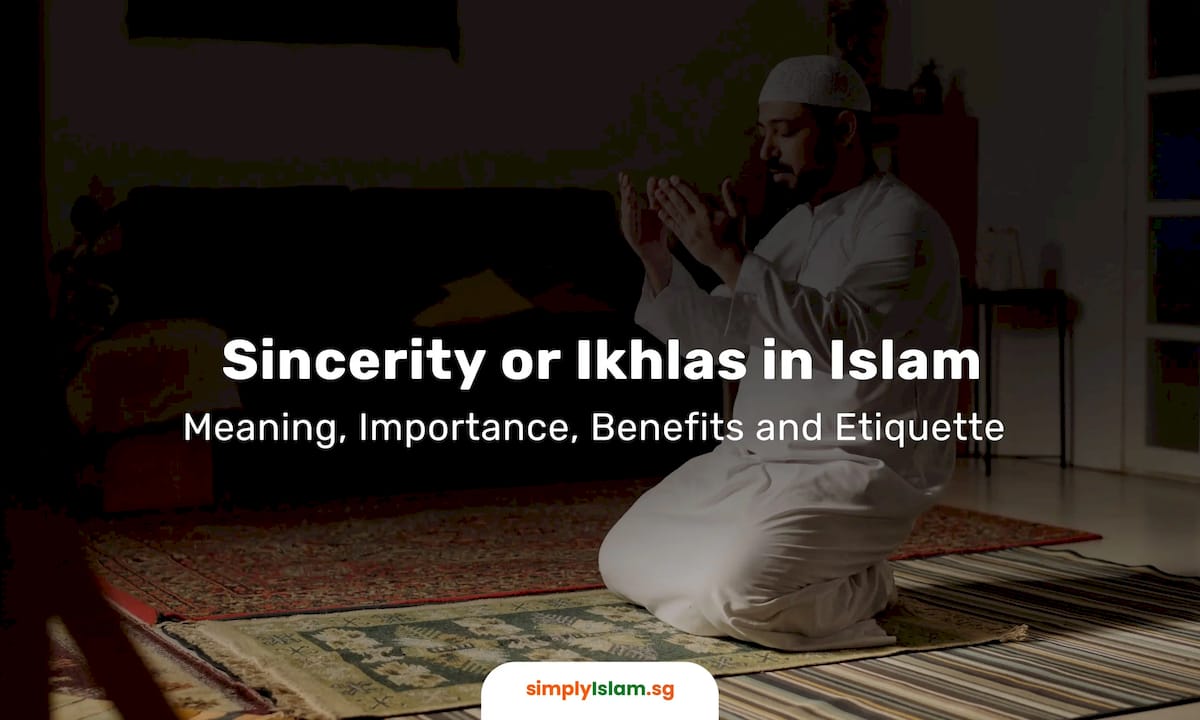
To be Ikhlas or sincere in giving is not particularly as easy as it seems. It is not as simple as a verbal statement like ‘I’m doing this sincerely’, but it is rather more complex, more innate in nature, but possible to cultivate through constant purification of the heart and practice.
The question is: How does Islam view sincerity in giving? Is it actually considered a possible skill to harness? To set your mind to doing things for the sake of Allah Almighty in everything you do? Is there a manual you could follow?
This article will explain in some detail the meaning of Ikhlas, the importance of Ikhlas, how to cultivate ikhlas in daily life, especially when it comes to giving, as well as etiquette of giving with ikhlas, and the dangers of showing off and boastfulness which contradicts the value of ikhlas.

What is the meaning of Ikhlas?
From the Islamic perspective, Ikhlas can be divided into these three parts:
To rectify one’s intentions: It is the act of freeing oneself from any ulterior motives, unwanted feelings and impurities. This means to perform a good deed, or to leave a bad one, solely for the sake of Allah Almighty, hoping to gain His Divine Mercy, Pleasure and Blessings.
Avoiding Riya’ (Boastfulness or Ostentation): Contrary to ikhlas, riya’ is to perform a good deed for one’s own self-interest. It could be to seek praise, recognition, admiration, jealousy or just validation from other people. What’s dangerous about this is that the deed may remain good outwardly, but the reason or motive behind it is not only unproductive, but can also be sinful.
Pure Reverence for Allah Almighty and His Beloved Messenger ﷺ: It signifies a state of the heart and spirit being completely devoted into obedience and service to Allah Almighty.

Why is Ikhlas important in Islam?
People keep talking about the importance of sincerity or Ikhlas in Islam, but what does it really mean? How much significance does it hold to us as Muslims and as human beings in general? Let’s look at the importance of Ikhlas:
It is a criteria for acceptance of any good deed: The Prophet Muhammad ﷺ said that “Verily deeds are reckoned according to the intention…” (Al-Bukhari). A deed, no matter how big or small, will be rejected by Allah Almighty if it is not done with sincerity or ikhlas.
It is a deed of the heart and spirit: Ikhlas is not a skill to harness, but it is essentially a state of the heart. Scholars have described it as being so subtle that the recording angels may not even be aware of it, because it is purely between the servant and Allah Almighty. That is why it is paramount to constantly purify our hearts, repent from sinning and focus on continuously doing good deeds.
Prevention from vices of the heart: Vices of the heart here specifically mean feelings of riya’ (boastfullness or showing off) and worse, shirk (associating partners with Allah Almighty). When you focus on rectifying your intentions, your heart will be protected from these, Insha’Allah.
A means for a tranquil and peaceful heart: When the heart is used to sincerity, when a person does good only for the sake of Allah Almighty and His Beloved Messenger ﷺ, they are free from the want of seeking validation or attention from people, or the fear of being judged or criticised. This brings inner peace, contentment, and steadfastness.
Making normal deeds become extraordinary: The things we do everyday? With sincerity or ikhlas, it transforms even the most ordinary, mundane actions, like eating, sleeping and drinking, into acts of worship. How so? With the intention to gain strength for worship and be in service of others.
Immense Reward: Even if the deed you perform is small, but when done with complete sincerity for Allah Almighty, that deed alone can weigh heavier than any bigger deed performed with mixed or wrong intentions.
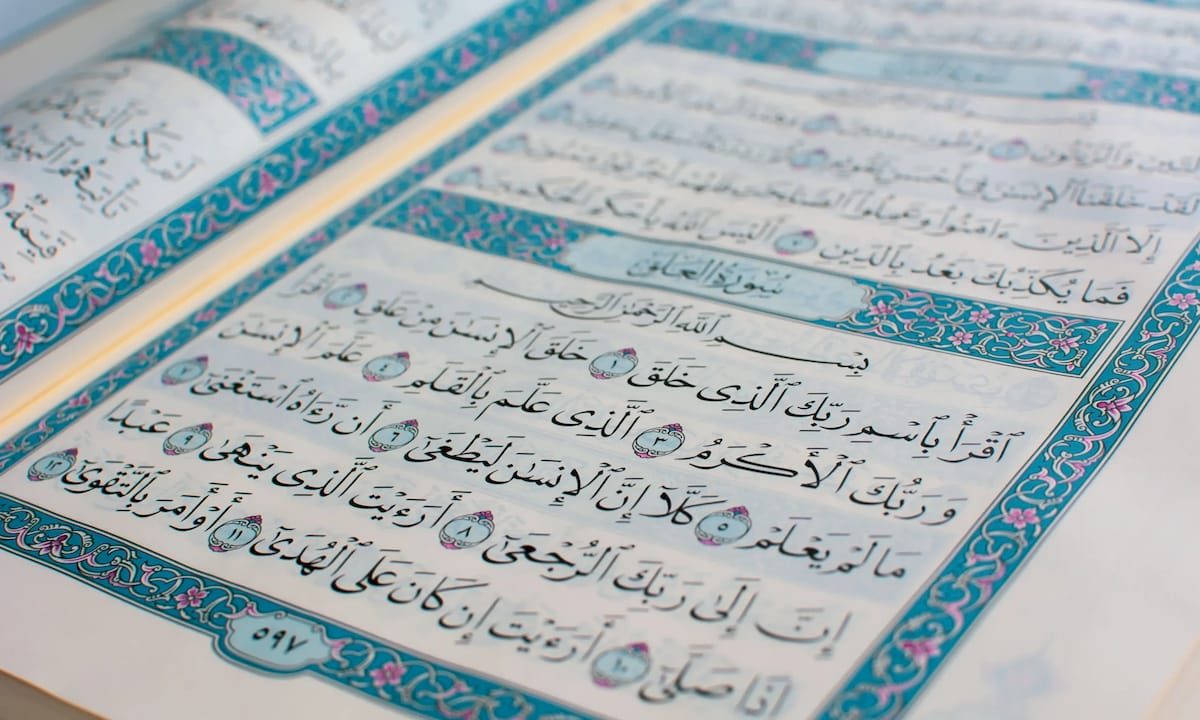
Hadith and Qur’anic verses on Ikhlas or Sincerity
وَمَا أُمِرُوا إِلَّا لِيَعْبُدُوا اللَّهَ مُخْلِصِينَ لَهُ الدِّينَ حُنَفَاءَ وَيُقِيمُوا الصَّلَاةَ وَيُؤْتُوا الزَّكَاةَ ۚ وَذَٰلِكَ دِينُ الْقَيِّمَةِ
“though all they are ordered to do is worship God alone, sincerely devoting their religion to Him as people of true faith, keep up the prayer, and pay the prescribed alms, for that is the true religion.” [Qur’an 98:5]
إِنَّا أَنزَلْنَا إِلَيْكَ الْكِتَابَ بِالْحَقِّ فَاعْبُدِ اللَّهَ مُخْلِصًا لَّهُ الدِّينَ
“It is We who sent down the Scripture to you [Prophet] with the Truth, so worship God with your total devotion:” [Qur’an 39:2]
فَمَن كَانَ يَرْجُو لِقَاءَ رَبِّهِ فَلْيَعْمَلْ عَمَلًا صَالِحًا وَلَا يُشْرِكْ بِعِبَادَةِ رَبِّهِ أَحَدًا
“So whoever hopes to encounter his Lord should act rightly and not associate anyone else with the worship of his Lord.” [Quran 18:110]
“The reward of deeds depends upon the intentions and every person will get the reward according to what he has intended. So whoever emigrated for the sake of Allah and His Messenger, his emigration will be for the sake of Allah and His Messenger; and whoever emigrated for worldly benefits or for a woman to marry, his emigration would be for what he emigrated for.” [Sahih Al-Bukhari]
Whoever lets the people hear of his good deeds intentionally, to win their praise, Allah will let the people know his real intention (on the Day of Resurrection), and he who does good things in public to show off and win the praise of the people, Allah will disclose his real intention (and humiliate him).” [Sahih Al-Bukhari]
“There are three things with which the heart of a Muslim will not be deceived [or consumed by hatred/malice]: sincere dedication of one’s actions to Allah, sincere good will toward the leaders, and keeping to the community of the Muslims.” [Sunan An-Nasa’ie]
Aspects of Ikhlas in our daily life
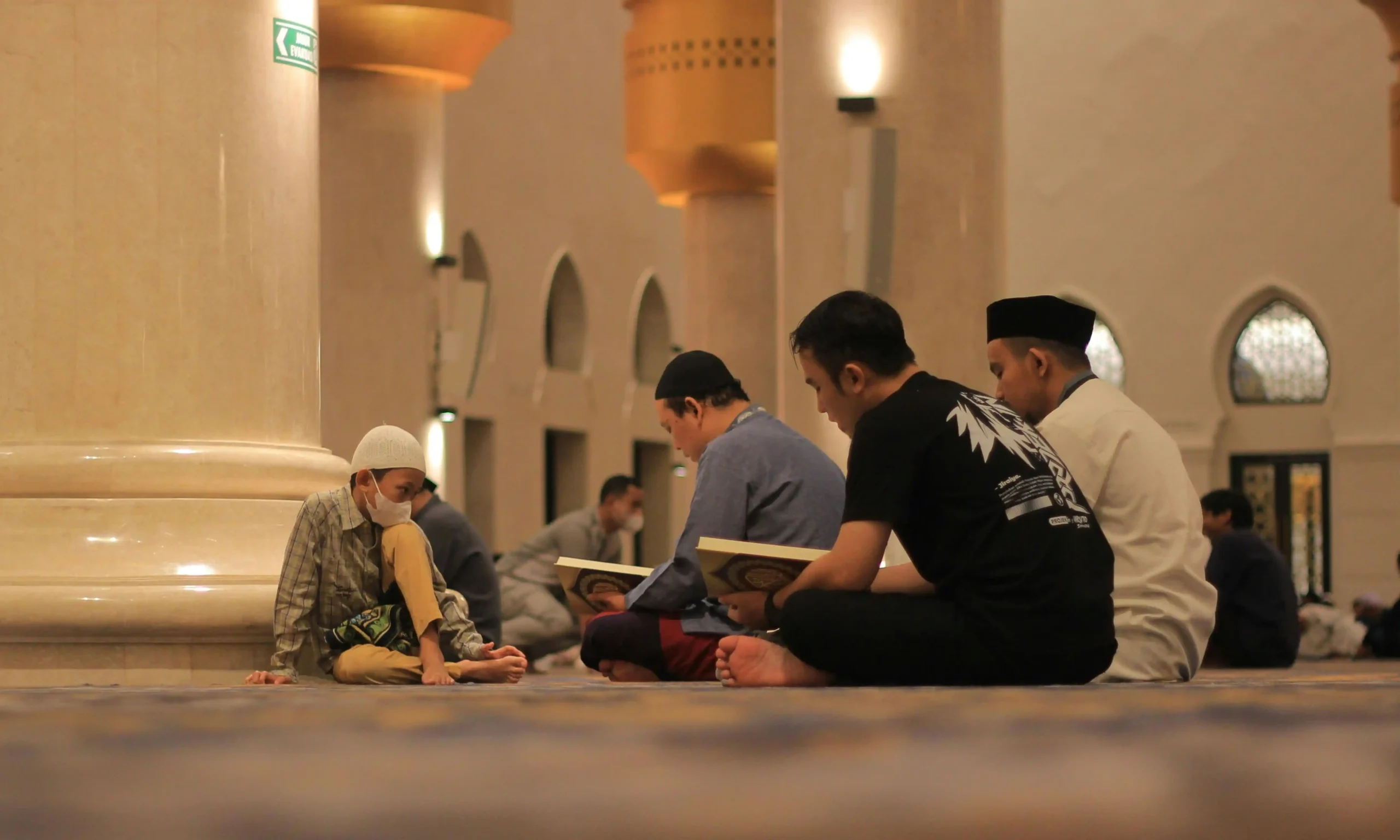
Ikhlas isn’t a concept reserved in worship alone, but in everything we do. It is the essential spiritual engine that transforms every part of a Muslim’s day. Let’s look at the important aspects of ikhlas we can implement in our daily lives:
Ibadah
In the realm of Ibadah, Ikhlas determines whether a deed is accepted and looked highly by Allah Almighty. For instance, when performing Salah, Ikhlas means concentrating entirely on the conversation with Allah Almighty, and also practicing Ihsan, which to pray as if you are seeing Him, and He Sees you.
When giving Sadaqah, the sincerity is highest when the deed is hidden, embodying the principle that one should give such that “your left hand does not know what your right hand has given.”
Even a difficult act like Hajj or Umrah can be rendered worthless if the primary motivation is to gain a social title or status rather than to fulfill a Divine Command.
Social Interaction
The greatest measure of sincerity often comes in social interactions and work. An act of social service, whether volunteering or helping a neighbor, is pure only if done without the expectation of recognition, reciprocity, or even a “thank you.”
Similarly, in your profession, Ikhlas means performing your duties with the same high quality when you are completely unsupervised as you would when your supervisor is standing over your shoulder. This is because the true observer Allah Almighty is always present. By freeing your good deeds from the need for human validation, your heart gains profound tranquility.
Daily Activities
Finally, Ikhlas has the power to sanctify mundane daily activities. If you go to work, your job becomes worship when your intention is to earn a halal livelihood so you can support your family and be charitable.
Your act of eating or exercising becomes rewarded if your intent is to maintain the health and strength of the body, which is an Amanah from Allah Almighty, allowing you to better fulfill your religious duties.
Even going to sleep can be an act of worship if done early with the sincere intention of waking up refreshed for Fajr. This constant, internal checking of motive is the practice of Ikhlas, providing the believer with divine protection from spiritual disease and guaranteeing the true, lasting reward of their efforts.
The etiquette of giving with Ikhlas or sincerity
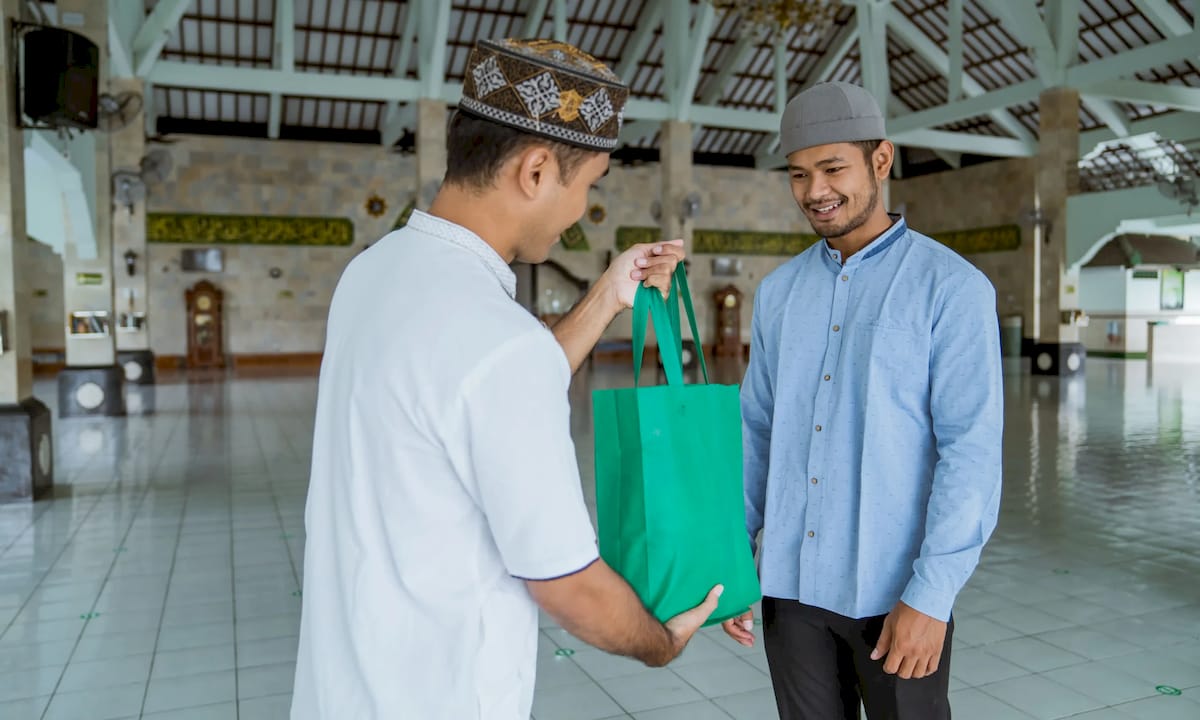
Giving is one of the most beautiful acts in Islam, but its true value is not measured by the amount or size of what is given. Rather, it is determined by the sincerity of the giver’s heart.
The Qur’an and Sunnah lay out certain etiquettes and manners that help us safeguard our intentions, ensuring that our giving is rooted in Ikhlas:
-
Give in secret whenever possible
The Qur’an encourages giving privately, away from the eyes of people, to avoid riya’ (showing off). Allah Almighty says:
“If you disclose your charitable expenditures, they are good; but if you conceal them and give them to the poor, it is better for you, and it will atone for some of your misdeeds. And Allah is fully Aware of what you do.” [Qur’an 2:271]
-
Do not remind others of your giving
Charity should never be followed by reminders or words that belittle the recipient. The Qur’an warns:
“O you who believe! Do not invalidate your charities with reminders of your generosity or hurtful words, like those who spend their wealth to be seen by people and believe not in Allah and the Last Day.” [Qur’an 2:264]
-
Give from what you love
Allah Almighty says:
“You will never achieve righteousness until you spend in charity from what you love. Whatever you give, Allah knows about it very well.” [Qur’an 3:92]
True sincerity shines when we give not leftovers or things we no longer want, but from what we genuinely value.
- Prioritize intention over amount
Whether it is a single date or a large sum of money, what matters is the purity of intention. A small deed with ikhlas outweighs a grand gesture with mixed intentions.

Rewards of Giving in Islam
Multiplied rewards: Allah Almighty promises that charity given sincerely will be multiplied many times over:
“The example of those who spend their wealth in the way of Allah is like a seed which grows seven spikes; in each spike is a hundred grains. Allah multiplies for whom He wills. And Allah is all-Encompassing and Knowing.” [Qur’an 2:261]
Charity never decreases wealth: The Prophet ﷺ said: “Charity does not decrease wealth.” [Sahih Muslim]
Instead, it increases barakah (divine blessings) in ways unseen.
A shield on the Day of Judgment: The Prophet ﷺ described charity as a shade protecting the believer on the Day of Judgment [Tirmidhi].

Dangers of Giving with boastfulness (Riya’)
Riya’ or boastfullness or the act of showing off is one of the greatest spiritual traps when it comes to giving. It turns an act of worship into an act of self-promotion. The Prophet ﷺ warned:
“The thing that I fear most for you is the minor shirk: showing off (riya’).” [Musnad Ahmad]
A person who gives only to gain praise may enjoy admiration in this world but will find no reward with Allah Almighty in the Hereafter.

How to cope with disappointment when giving isn’t returned with kindness?
Sometimes, when we give sincerely, we may face situations where the recipient doesn’t show gratitude, or worse, responds with negativity. This can hurt the ego, but it also serves as a test of sincerity. Here are some reminders to help cope:
Shift your focus back to Allah
Remember that your act of giving was for Allah Almighty, not for people. The lack of recognition from others does not reduce your reward with Him.
See the act itself as enough
The act of giving purifies the soul, increases barakah, and brings peace to the heart. Whether or not the recipient acknowledges it, you have already benefitted spiritually.
Recall the examples of the Prophets
Many Prophets gave and sacrificed selflessly, yet were rejected or faced hostility. Their sincerity remained untouched because their intention was solely to please Allah.
Turn disappointment into dua
Instead of holding resentment, pray for the recipient. This protects the heart from arrogance or bitterness and renews sincerity.
Conclusion
Ikhlas is not a one-time achievement but a lifelong journey. It is a constant struggle of the heart, requiring us to renew our intentions with every action we take. Whether it is in acts of worship, giving charity, or even in our daily routines, sincerity transforms ordinary deeds into extraordinary acts of devotion.
As Muslims, we must continuously guard our hearts from riya’, seek Allah’s pleasure in everything we do, and remind ourselves that the only recognition that truly matters is His.
May Allah Almighty grant us Ikhlas in all our actions, protect our hearts from arrogance and ostentation, and accept from us whatever little we do sincerely for His sake. Ameen.
Frequently Asked Questions (FAQs)
- Is Ikhlas something we are born with or something we can develop?
Ikhlas is not something we are automatically born with; it is developed and nurtured over time. The heart needs constant purification, intention-checking, and reminders to remain sincere. Regular repentance (tawbah), dhikr, and reflection help in cultivating Ikhlas.
- Can I have mixed intentions when giving or doing good deeds?
Yes, sometimes intentions can become mixed. For example, you may give charity to please Allah Almighty but also feel happy when people praise you. What matters is that your primary motive should always be for Allah’s sake. If you notice riya’ (showing off), immediately renew your intention.
- Is it wrong to give charity publicly?
Not necessarily. Giving charity in public can inspire others to give, but the danger lies in doing it to seek praise. If your heart feels more inclined toward showing off, then it is better to give privately.
- How do I know if my act of worship is truly sincere?
True sincerity is difficult to measure outwardly, but one sign is consistency: you worship Allah Almighty the same way in private as you do in public. Another sign is that you don’t feel disheartened if people do not notice or acknowledge your good deeds.
- What dua can I make to ask Allah Almighty for sincerity?
One beautiful dua the Prophet ﷺ taught is:
اللَّهُمَّ إِنِّي أَعُوذُ بِكَ أَنْ أُشْرِكَ بِكَ وَأَنَا أَعْلَمُ ، وَأَسْتَغْفِرُكَ لِمَا لا أَعْلَمُ
“O Allah, I seek refuge in You from associating anything with You knowingly, and I seek Your forgiveness for what I do unknowingly.” [Musnad Ahmad]