

The most effective ways to contribute to Muslim charity campaigns begin with one foundational distinction: understanding the difference between Zakat and Sadaqah.
Zakat is obligatory giving with fixed eligibility rules, while Sadaqah is voluntary and flexible.
Organizations like Islamic Relief USA, LaunchGood, and Muslim Hands USA offer structured programs that align with both giving types.
Choosing the right channel, verifying a charity’s transparency, and supporting long-term projects like Sadaqah Jariyah are what separate meaningful giving from impulsive donations. This guide walks you through every step, from intention to impact.
1. Ways to Contribute to Muslim Charity Campaigns: Start with Zakat vs. Sadaqah
Zakat and Sadaqah are the two pillars of Islamic charitable giving, and confusing them is the most common mistake donors make. Getting this distinction right shapes where your money goes, who benefits, and what spiritual reward you receive.
Zakat is obligatory for every Muslim who meets the nisab threshold (minimum wealth level). It must go to one of the 8 Qur’anic eligible categories, including the poor, the indebted, and those working to administer Zakat itself. Zakat cannot typically be given to non-Muslims under standard scholarly rulings.
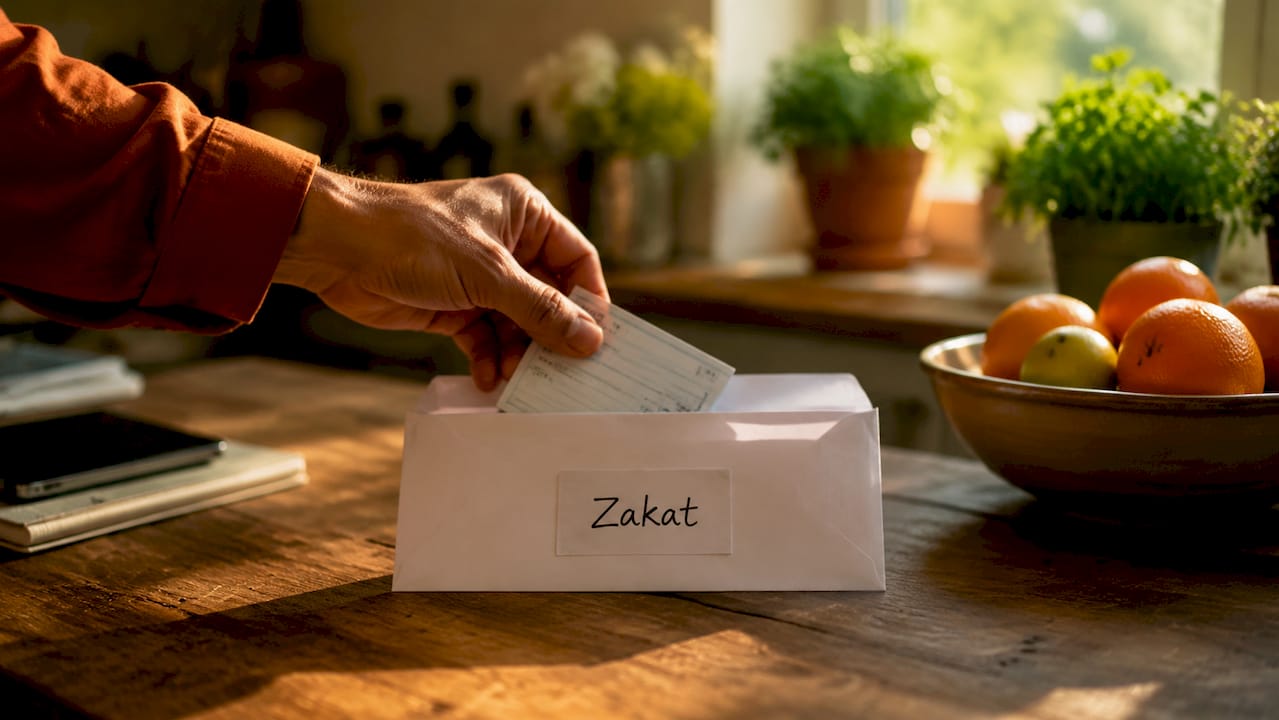
Sadaqah, by contrast, is voluntary. You can give it to anyone in need, at any time, in any amount. Giving Sadaqah does not reduce your Zakat obligation. Both must be fulfilled separately, each with its own intention, to carry full spiritual weight.
Pro Tip: When donating online, look for a charity that separates Zakat and Sadaqah funds at checkout. Mixing the two without proper allocation can invalidate your Zakat.
Keeping these two categories distinct increases both spiritual reward and community impact. A donor who gives Zakat to an ineligible recipient has not fulfilled their obligation, regardless of how worthy the cause feels.
2. How to Evaluate a Muslim Charity before You Give
Selecting a trustworthy charity is an act of Amanah (trustworthiness). Giving to the wrong organization does not just waste money. It can actively fund mismanagement or harm.
Here are the key questions to ask before donating:
-
Who governs this organization? Review the board composition, trustee qualifications, and whether scholars are involved in oversight.
-
Are financial records publicly available? Reputable charities publish audited accounts. Absence of audits is a warning sign.
-
How are funds transferred internationally? Some organizations use alternative remittance systems like hawala banking. These are culturally familiar but require documented safeguards.
-
Who implements the project on the ground? Trustees must be able to explain how they monitor service delivery and manage risks including conflict, health, and financial misuse.
-
How long has the charity worked with its local partners? Long-term relationships signal accountability. New or unnamed partners are a risk.
“Ask charities about on-the-ground leadership and monitoring instead of offering blind trust in third-party fundraising.” — MuslimMatters (2026)
Pro Tip: Search the charity’s name on your country’s official charity regulator database. In the U.S., use the IRS Tax Exempt Organization Search or Charity Navigator to verify registration and financial health.
3. Why Zero Admin Fee Claims should Raise Questions
Admin fees are one of the most misunderstood topics in Muslim charitable giving. Many donors instinctively favor charities that advertise 0% admin fees. That instinct, while well-meaning, can lead to worse outcomes.
Admin fees fund safe delivery, auditing, safeguarding, and technical expertise. A charity that claims zero admin fees without explanation likely lacks these protections. That means your donation may reach beneficiaries without proper oversight, increasing the risk of misuse.
Islamic law itself permits payment to those who administer Zakat. This is one of the eight eligible categories. Reasonable admin costs are not a compromise of your giving. They are a protection of it.
Ethical giving involves accepting reasonable administration costs as part of responsible stewardship. Ask charities to explain their admin fee structure rather than simply choosing the one that advertises the lowest number.
4. Common Charity Project Types Muslims Support
Muslim donors tend to support a consistent set of project categories. Each serves a different need and carries a different type of reward.
-
Emergency food and water aid: Immediate relief for disaster-affected communities. Organizations like Islamic Relief USA and ICNA Relief run active programs in food security and clean water access.
-
Orphan sponsorship: Monthly contributions that cover education, nutrition, and care for orphaned children. Muslim Hands USA and Zakat Foundation of America both offer structured sponsorship programs.
-
Water wells: A classic Sadaqah Jariyah project. A single well can serve a community for decades, generating ongoing reward for the donor even after death.
-
Islamic education endowments: Funding schools or Quran programs creates lasting community benefit that outlives any single donation.
-
Waqf (Islamic endowment) projects: Contributions to waqf funds support mosques, hospitals, and community centers indefinitely.
-
Qurbani (sacrifice): Distributing meat to families in need during Eid al-Adha. Penny Appeal USA and LaunchGood both facilitate online Qurbani campaigns.
| Project Type | Primary Benefit | Giving Category |
|---|---|---|
| Emergency food aid | Immediate relief | Zakat or Sadaqah |
| Orphan sponsorship | Long-term child welfare | Zakat or Sadaqah |
| Water wells | Ongoing community access | Sadaqah Jariyah |
| Islamic school endowment | Generational education | Sadaqah Jariyah / Waqf |
| Qurbani | Eid nutrition for families | Sunnah giving |
Campaigns that combine urgent aid with long-term projects during high-reward Islamic periods maximize both community benefit and spiritual return. Dhul Hijjah is one of the best times to give across multiple categories at once.
5. How to Use Recurring Donations during Key Islamic Periods
Consistency in giving is a Sunnah principle. The Prophet Muhammad (peace be upon him) described the most beloved deeds to Allah as those done consistently, even if small. Recurring donations apply this principle directly.
Platforms like MOHID or Launchgood allow donors to schedule daily donations across the 10 days of Dhul Hijjah with a single checkout. That means you set it once and give every day without having to remember or decide repeatedly. Shareable links also let you invite family and friends to join the same campaign.
Automating donations during spiritually significant days removes decision fatigue and maintains consistent giving habits. This matters because donor fatigue is real. When giving requires daily effort, many people stop partway through.
LaunchGood, one of the largest Muslim crowdfunding platforms, also supports recurring monthly donations and campaign-specific giving during Ramadan and Dhul Hijjah. You can browse campaigns by category, region, or organization and set up automated contributions directly.
Pro Tip: Schedule your Dhul Hijjah donations at the start of the month, not on the first day. Early setup means you will not miss the first days if life gets busy.
For Ramadan giving, SimplyIslam has compiled meaningful Ramadan charity projects that align with both Zakat and Sadaqah intentions. Reviewing these before Ramadan begins helps you give with purpose rather than impulse.
6. How to Support Islamic Charities beyond Financial Contributions
Contributing to Muslim community causes does not require money alone. Non-financial contributions carry real spiritual and practical weight.
Volunteering with organizations like ICNA Relief or local mosque food banks puts your time and skills directly into service. Many charities actively need logistics support, translation services, and social media help during campaign periods.
Sharing campaigns on platforms like WhatsApp, Instagram, and Facebook multiplies reach. LaunchGood campaigns, for example, rely heavily on community sharing to hit funding targets. A single share from a trusted contact can generate more donations than a paid advertisement.
Educating your community about the difference between Zakat and Sadaqah, or about how to evaluate charities, is itself a form of giving. The spiritual and community impact of helping others give correctly is significant.
Organizing local fundraisers through mosque committees or community groups creates collective giving momentum. Muslim charity fundraising ideas that work well at the community level include iftar fundraising dinners, charity runs, and school-based giving drives.
Advocating for transparency by asking charities the hard questions publicly encourages the entire sector to improve. Donors who demand accountability create better charities for everyone.
7. How to Give Back to Your Muslim Community through Local Causes
Ways to give back to the Muslim community extend beyond international relief. Local causes often receive less attention but carry immediate, visible impact.
Supporting your local mosque’s operational fund, contributing to Islamic school scholarships, or donating to Muslim family support services in your city are all valid and rewarding forms of giving. These contributions strengthen the community infrastructure that sustains Islamic life for future generations.
Wealth in Islam is understood as Amanah, a trust from Allah Almighty. Directing a portion of that trust toward local community needs reflects a complete understanding of stewardship. International giving is important, but a community that neglects its own members cannot sustain its outward generosity for long.
SimplyIslam, which has helped raise over $1.1 million for charity and engaged more than 22,000 participants, demonstrates what community-centered giving looks like in practice. Connecting Islamic education with charitable action creates donors who give with knowledge, not just emotion.
Key Takeaways
The most effective way to contribute to Muslim charity campaigns is to align your giving type with Islamic principles, verify the charity’s transparency, and commit to sustained impact through recurring or Sadaqah Jariyah projects.
| Point | Details |
|---|---|
| Distinguish Zakat from Sadaqah | Give each separately with correct intention to fulfill your obligation and maximize spiritual reward. |
| Verify charity transparency | Ask about governance, audits, and ground-level monitoring before donating to any organization. |
| Question zero admin fee claims | Reasonable admin costs protect your donation; charities without them may lack essential safeguards. |
| Support Sadaqah Jariyah projects | Water wells, schools, and waqf endowments generate ongoing reward long after your initial gift. |
| Automate during key Islamic periods | Use platforms like MOHID or LaunchGood to schedule consistent giving during Dhul Hijjah and Ramadan. |
Deepen your Giving with SimplyIslam
Understanding how to give is just as important as giving itself. SimplyIslam offers a range of Islamic events and programs designed to help you connect your faith with meaningful community action.
Whether you want to learn more about Zakat obligations, explore Sadaqah Jariyah opportunities, or engage with our Ramadan Charity campaigns alongside other Muslims in Singapore, SimplyIslam provides the knowledge and community to do it well.
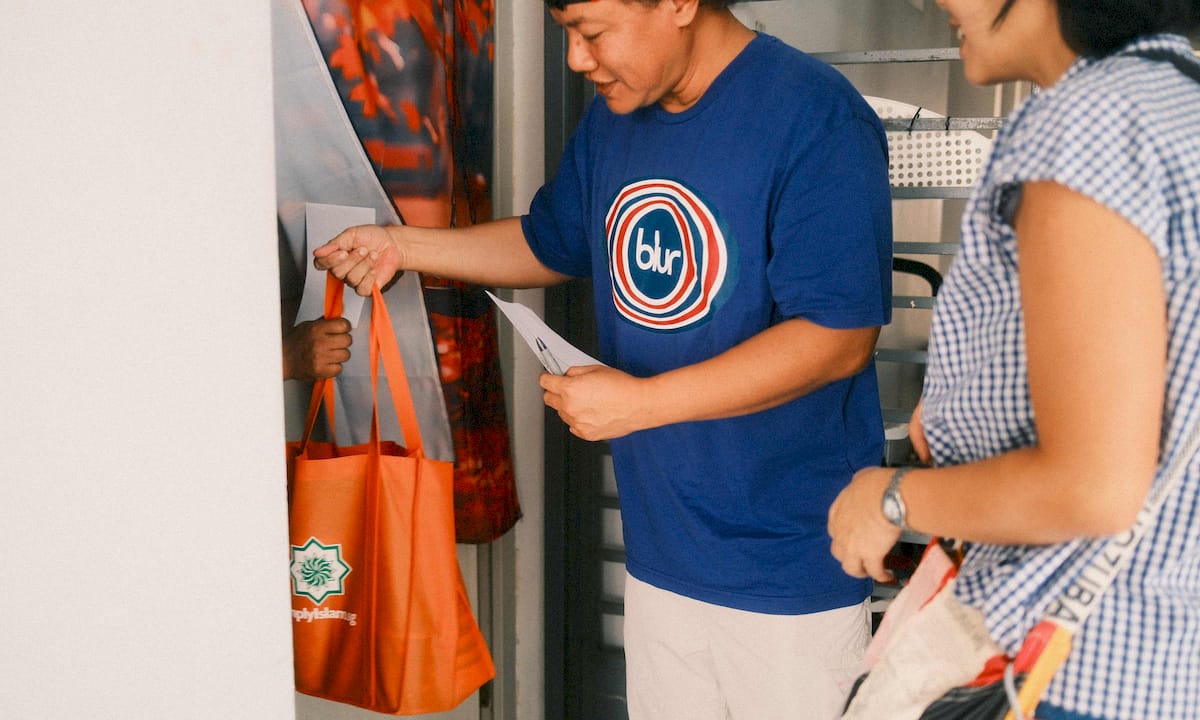
With over 22,000 participants and more than $1.1 million raised for charity, SimplyIslam has built a trusted space where Islamic education and community giving go hand in hand. Explore upcoming events, access free Islamic resources, and take the next step in giving with purpose, knowledge, and confidence.
FAQ
What is the difference between zakat and sadaqah?
Zakat is obligatory annual giving with fixed eligibility rules and eight Qur’anic recipient categories. Sadaqah is voluntary giving that can go to anyone in need, at any time, and does not reduce your Zakat obligation.
How do i know if a muslim charity is trustworthy?
Review the charity’s audited financial statements, ask about their ground-level implementation partners, and confirm they have scholarly oversight. Charities that publish transparent governance structures and monitoring practices are the most reliable.
Are zero admin fee charities better for donors?
No. Admin fees fund auditing, safeguarding, and logistics that protect your donation. A charity claiming zero admin fees without explanation may lack the safeguards needed for ethical and effective project delivery.
What are the best projects for ongoing charitable reward?
Sadaqah Jariyah projects like water wells, Islamic school endowments, and waqf-funded community centers generate continuous reward because their benefits extend to communities indefinitely, even after the donor’s death.
How can i automate my donations during ramadan or dhul hijjah?
Platforms like MOHID allow you to schedule daily donations across the 10 days of Dhul Hijjah with a single setup. LaunchGood also supports recurring monthly donations and campaign-specific giving during key Islamic periods.