


The topic of fiqh for women, especially performing ghusl after menstruation, has always been a complex subject discussed among the Muslim women community.
There are a variety of opinions from different scholars in different madhabs, but one thing all can agree on is that ghusl must be done after menstruation in order to resume with acts of worship like salah, fasting, reciting the Quran (in certain circumstances), and much more.
It is no wonder that women are oftentimes confused, or overwhelmed about this topic at all, but it is indeed compulsory to understand these rulings and apply them so that their acts of worship are validated, Insha’Allah.
Hence, before we dive in head first into how to perform ghusl step-by-step, let’s look at what ghusl means, the types of ghusl, signs of purity after menstruation, and last but not least, the step-by-step guide on how to perform ghusl.
What is ghusl?
The first step to understanding purification in Islam is to understand what ghusl is. Ghusl (غُسْل) literally means ‘to wash’ in Arabic, but in fiqh or Islamic ruling, it means a method of cleansing or washing the entire body with a specific intention of purification for the sake of Allah Almighty.
This act of purification is obligatory for all Muslims (both men and women depending on the situation), after certain states of major impurity such as menstruation, sexual intercourse, seminal discharge or even after conversion into Islam.
The question is; why is ghusl essential to the Islamic faith? It’s not just about physical cleanliness but also symbolic, as an act of spiritual purification, making one eligible for acts of worship that require a state of purity.
For instance, performing prayer or salah is a daily act of worship that requires one to stay in a purified state. This is not just limited to ghusl, but even wudhu’. Other acts include fasting, reciting the Qur’an (in some cases) and performing Umrah or Hajj.
In essence, ghusl restores a Muslim to a state of Taharah (ritual purity), which is a core concept in Islam. The Prophet ﷺ reminded us:
“Purity is half of faith.” (Sahih Muslim)

When is ghusl obligatory in Islam?
There are certain situations or conditions in which ghusl is made obligatory upon Muslims. Let’s look at the conditions:
1. After Menstruation (haid)
This is one of the most common situations all Muslim women face once they reach puberty or before hitting menopause.
One of the most essential indications that their menstruation is over is the presence of dryness or white discharge. Once they can see the symptoms, they are required to perform ghusl in order to resume their acts of worship or even marital relations.
2. After Postnatal Bleeding (nifas)
Similar to menstruation, purification becomes obligatory when the bleeding after childbirth ends and the signs of purity appear.
The maximum duration for nifas is 60 days. Afterwards, they are required to perform the ritual bath to resume their acts of worship.
3. After Sexual Intercourse
After sexual intercourse, whether or not ejaculation occurs, ghusl is required if there is full physical contact between the private parts.
Narrated Sayyidatina `Aisha and Um Salama (radiallahu anhuma):
At times Allah’s Messenger (ﷺ) used to get up in the morning in the state of Janaba after having sexual relations with his wives. He would then take a bath and fast. (Sahih Muslim)
4. After Ejaculation or Wet Dreams (ihtilam)
If semen is released, either during sleep or while awake, ghusl must be performed for both men and women.
Sayyidatina Aisha (radiallahu anha) narrated:
“The Prophet ﷺ was asked about a man who finds wetness and he does not remember having a wet dream. So he said: ‘He is to perform Ghusl. And (he was asked) about a man who had a wet dream but did not find any wetness, so he said: ‘No Ghusl is required of him.’ Umm Salamah said: ‘O Messenger of Allah! Is the woman required to perform Ghusl if she sees that?’ He replied: ‘Yes. Indeed women are the partners of men.'” [Jami’ At-Tirmidhi]
5. Upon Conversion to Islam
When someone chooses the path of Islam as a mu’allaf, performing ghusl is recommended (and according to some scholars, obligatory) to symbolize purification and a new beginning for the new Muslim.
5. Upon Death (Before Burial)
Even in death, ghusl is obligatory upon every deceased Muslim as part of their funeral rites, except martyrs of battle.
What are the types of ghusl in Islam?
Not many people understand what it means by the types of ghusl in Islam, so let’s look at the two main ways to categorize ghusl:
- Ghusl By obligation (why it’s done): obligatory vs. recommended
- Ghusl By method (how it’s performed): complete vs. minimal
1. Ghusl By Obligation
a. Ghusl al-Fard (Obligatory Ghusl)
The first type of ghusl under obligation is the mandatory ghusl. As stated earlier, it is only compulsory to perform when Muslims are in a state of major impurity or janabah. The conditions include:
- After menstruation (haid)
- After postnatal bleeding (nifas)
- After sexual intercourse
- After ejaculation (wet dreams or otherwise)
If a Muslim doesn’t perform the obligatory ghusl after facing these conditions, their acts of worship requiring purity will be nullified or invalidated. Some of the acts of worship include salah, fasting, or performing Umrah or Hajj.
b. Ghusl al-Sunnah (Recommended Ghusl)
There are also some instances in which ghusl becomes highly recommended because the Prophet Muhammad ﷺ used to do them on certain occasions. The purpose for this kind of ghusl is for cleanliness, renewal, and spiritual preparation. Examples include:
- Before Friday prayer (Jumu‘ah)
- On Eid days (Eid al-Fitr and Eid al-Adha)
- Before entering the state of ihram for Hajj or ‘Umrah
- After washing a deceased body
- Upon embracing Islam (according to many scholars)
2. Ghusl By Method
a. Ghusl al-Kamil (Complete Ghusl)
This is the perfect way to perform ghusl as demonstrated by the Prophet ﷺ. It includes washing the entire body thoroughly, ensuring water reaches every part, with the proper intention.
b. Ghusl al-Ijza’ (Sufficient or Minimal Ghusl)
This fulfills the obligation but with only the essentials:
- Having the intention
- Washing the entire body once so that no area remains dry
This is valid but not as complete or rewarding as ghusl al-kāmil.

Qur’anic Verses and Hadith on Purification
يَا أَيُّهَا الَّذِينَ آمَنُوا إِذَا قُمْتُمْ إِلَى الصَّلَاةِ فَاغْسِلُوا وُجُوهَكُمْ وَأَيْدِيَكُمْ إِلَى الْمَرَافِقِ وَامْسَحُوا بِرُءُوسِكُمْ وَأَرْجُلَكُمْ إِلَى الْكَعْبَيْنِ ۚ وَإِن كُنتُمْ جُنُبًا فَاطَّهَّرُوا ۚ وَإِن كُنتُم مَّرْضَىٰ أَوْ عَلَىٰ سَفَرٍ أَوْ جَاءَ أَحَدٌ مِّنكُم مِّنَ الْغَائِطِ أَوْ لَامَسْتُمُ النِّسَاءَ فَلَمْ تَجِدُوا مَاءً فَتَيَمَّمُوا صَعِيدًا طَيِّبًا فَامْسَحُوا بِوُجُوهِكُمْ وَأَيْدِيكُم مِّنْهُ ۚ مَا يُرِيدُ اللَّهُ لِيَجْعَلَ عَلَيْكُم مِّنْ حَرَجٍ وَلَٰكِن يُرِيدُ لِيُطَهِّرَكُمْ وَلِيُتِمَّ نِعْمَتَهُ عَلَيْكُمْ لَعَلَّكُمْ تَشْكُرُونَ
“You who believe, when you are about to pray, wash your faces and your hands up to the elbows, wipe your heads, wash your feet up to the ankles. If you are in a state of full impurity, take a full bath. But if you are ill, or on a journey, or have relieved yourselves, or have been intimate with women, and cannot find water, then take some clean sand and wipe your faces and hands with it. God does not wish to place any burden on you; He only wishes to cleanse you and perfect His blessing on you so that you may be thankful.”
(Qur’an, 5:6)
يَا أَيُّهَا الَّذِينَ آمَنُوا لَا تَقْرَبُوا الصَّلَاةَ وَأَنتُمْ سُكَارَىٰ حَتَّىٰ تَعْلَمُوا مَا تَقُولُونَ وَلَا جُنُبًا إِلَّا عَابِرِي سَبِيلٍ حَتَّىٰ تَغْتَسِلُوا ۚ وَإِن كُنتُم مَّرْضَىٰ أَوْ عَلَىٰ سَفَرٍ أَوْ جَاءَ أَحَدٌ مِّنكُم مِّنَ الْغَائِطِ أَوْ لَامَسْتُمُ النِّسَاءَ فَلَمْ تَجِدُوا مَاءً فَتَيَمَّمُوا صَعِيدًا طَيِّبًا فَامْسَحُوا بِوُجُوهِكُمْ وَأَيْدِيكُمْ ۗ إِنَّ اللَّهَ كَانَ عَفُوًّا غَفُورًا
“You who believe, do not come anywhere near prayer if you are intoxicated, not until you know what you are saying, nor if you are in a state of major impurity—unless you are just passing through—until you have bathed. If you are ill, or on a journey, or have relieved yourselves, or have been intimate with women, and cannot find water, then take some clean sand and wipe your faces and hands with it. God is ever pardoning and most forgiving.” (Qur’an, 4:43)
وَيَسْأَلُونَكَ عَنِ الْمَحِيضِ ۖ قُلْ هُوَ أَذًى فَاعْتَزِلُوا النِّسَاءَ فِي الْمَحِيضِ وَلَا تَقْرَبُوهُنَّ حَتَّىٰ يَطْهُرْنَ ۖ فَإِذَا تَطَهَّرْنَ فَأْتُوهُنَّ مِنْ حَيْثُ أَمَرَكُمُ اللَّهُ ۚ إِنَّ اللَّهَ يُحِبُّ التَّوَّابِينَ وَيُحِبُّ الْمُتَطَهِّرِينَ
“They ask you about menstruation. Say, ‘It is a painful condition, so keep away from women during it. Do not approach them until they are cleansed, and when they are cleansed, then go in to them as God has commanded you.’ God loves those who turn to Him, and He loves those who keep themselves clean.” (Qur’an, 2:222)
The Messenger of Allah ﷺ said:
“Purity is half of faith.” (Sahih Muslim, 223)
Sayyidatina ʿA’ishah (may Allah be pleased with her) reported:
“When the Messenger of Allah ﷺ performed ghusl after major impurity, he would begin by washing his hands, then perform wudu’ as for prayer. Then he would run his fingers through his hair until he felt that the scalp was wet, then pour water over his head three times, and then over the rest of his body.” (Sahih al-Bukhari, 248; Sahih Muslim, 316)
The Messenger of Allah ﷺ said:
“When a person performs wudu’ properly, his sins depart from his body, even from beneath his fingernails.” (Sahih Muslim, 245)
The Messenger of Allah ﷺ said:
“My Ummah will be called on the Day of Resurrection with bright faces, hands, and feet from the traces of wudu’. Whoever among you can increase the brightness, let him do so.” (Sahih al-Bukhari, 136; Sahih Muslim, 246)

What are the signs of purity after menstruation?
Purification after menstruation can be a complex topic because each person’s experience is personal, different and fairly unique. However, there are actually major and clear signs of purity women can see after menstruation, as agreed by many scholars.
In Islam, a woman’s menstruation ends when she becomes in a state of purity, meaning that the signs of menstrual bleeding have completely stopped. Recognising these signs is important because only then does ghusl become obligatory, and acts of worship such as prayer and fasting can be resumed.
There are two main signs of purity that scholars mention:
- Complete Dryness
What does complete dryness mean? It means no trace of blood, discharge, or colour remains when a woman checks herself.
Women traditionally use a piece of white cloth or cotton to check for dryness. If it comes out completely clean, this indicates that the menses have ended.
Ibn al-Mundhir said:
“The scholars agree that when a woman sees the sign of dryness, she is pure.” (Al-Ijma‘, Ibn al-Mundhir)
- The White Discharge
Some women notice a white or transparent discharge that appears at the end of their period.
This is considered a clear sign that the bleeding has stopped and purity has been attained.
Sayyidatina ‘Aishah (radiaAllahu anha) said to women who would send her cotton pads to ask about their purity:
“Do not hurry until you see the white discharge.”
(Sahih al-Bukhari, Mu‘allaq form; Ibn Abi Shaybah, Musannaf 1/83)
Step-by-step guide on how to perform ghusl after menstruation
Ghusl after menstruation is not just about cleanliness but an act of worship. It removes the state of major impurity and restores a woman’s state of purity, allowing her to pray, fast, and recite the Qur’an and much more. Let’s look at the method of purification or ghusl below, step by step.
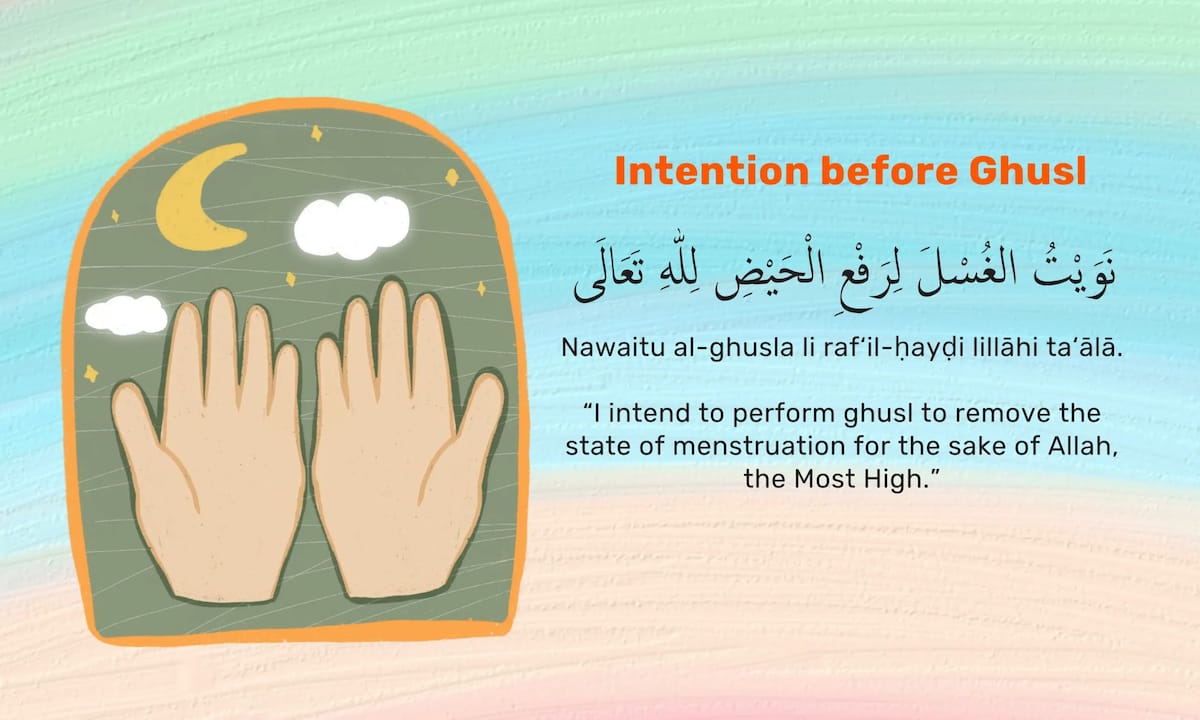
Step 1: Make the Intention (Niyyah) and recite Bismillah
Every act of worship in Islam begins with intention, especially ghusl.
Before you begin, make a sincere intention in your heart, not verbally, that you’re performing ghusl to remove the state of menstruation and regain purity for the sake of Allah Almighty.
نَوَيْتُ الغُسْلَ لِرَفْعِ الْحَيْضِ لِلّٰهِ تَعَالَى
Nawaitu al-ghusla li raf‘il-ḥayḍi lillāhi ta‘ālā
“I intend to perform ghusl to remove the state of menstruation for the sake of Allah, the Most High.”
After reciting the intention in your heart, recite Bismillah.
Step 2: Wash the Hands
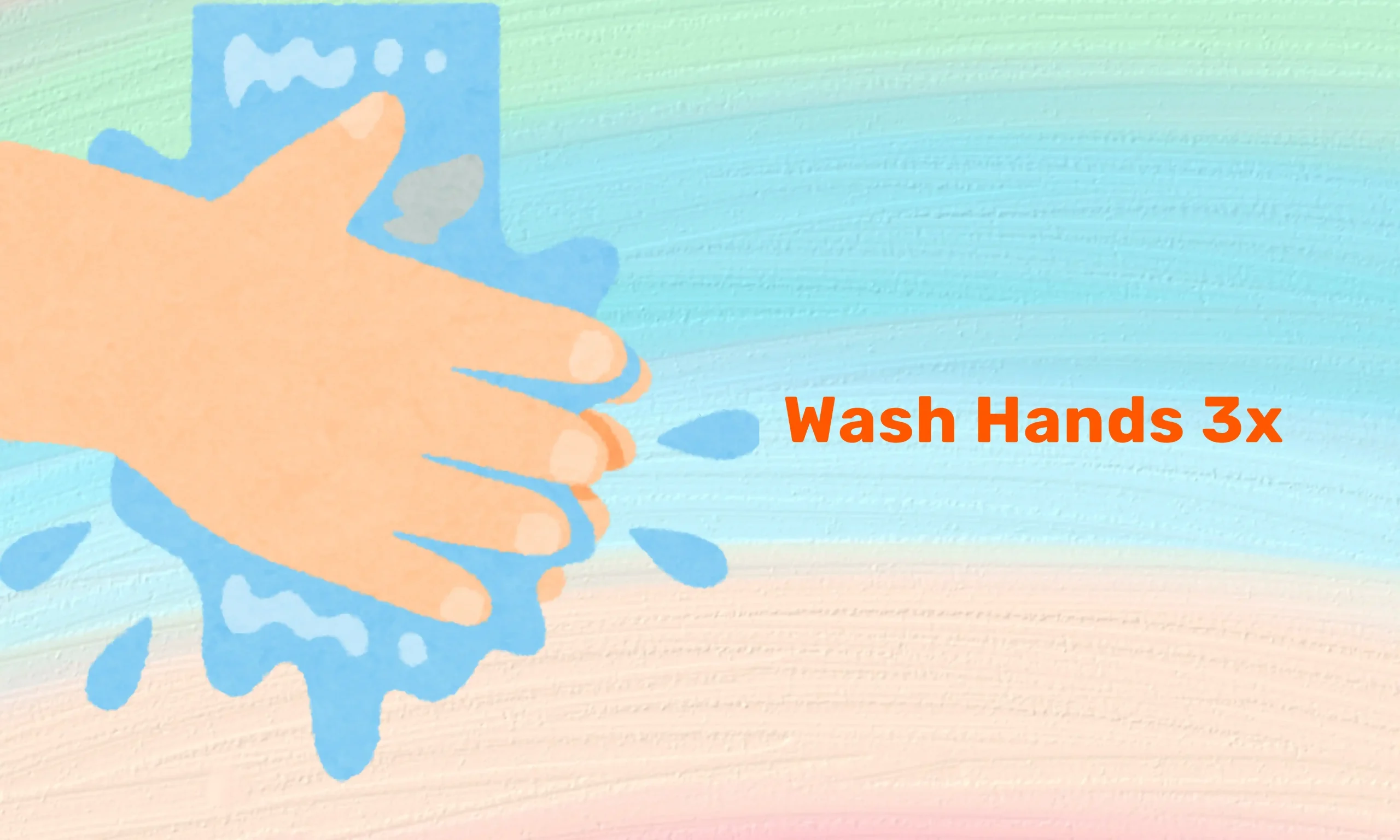
Once the intention is recited, you may start by washing your hands three times. This follows the practice of the Prophet ﷺ, who always began with the hands, repeating the act of washing three times.
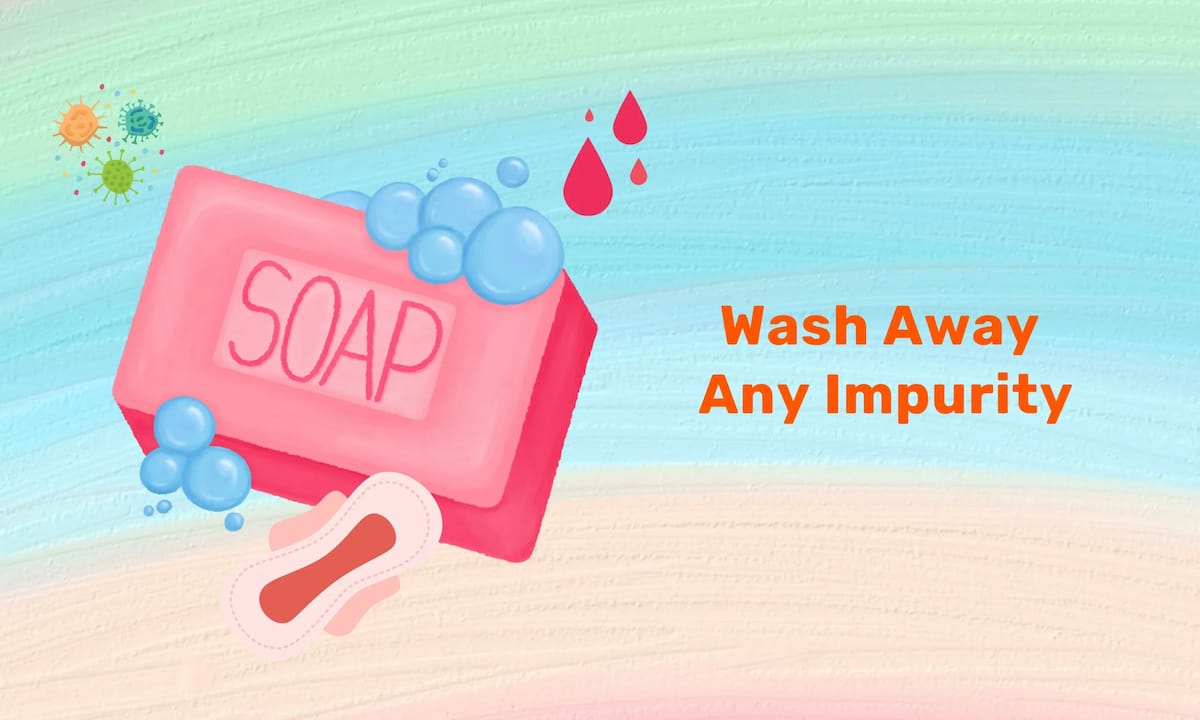
Step 3: Wash Away Any Impurity
After hands are washed, you may wash away any traces of blood or impurity from the private parts using water. You may use your left hand for this. If you prefer to keep your hands clean, you may use a cloth as well.
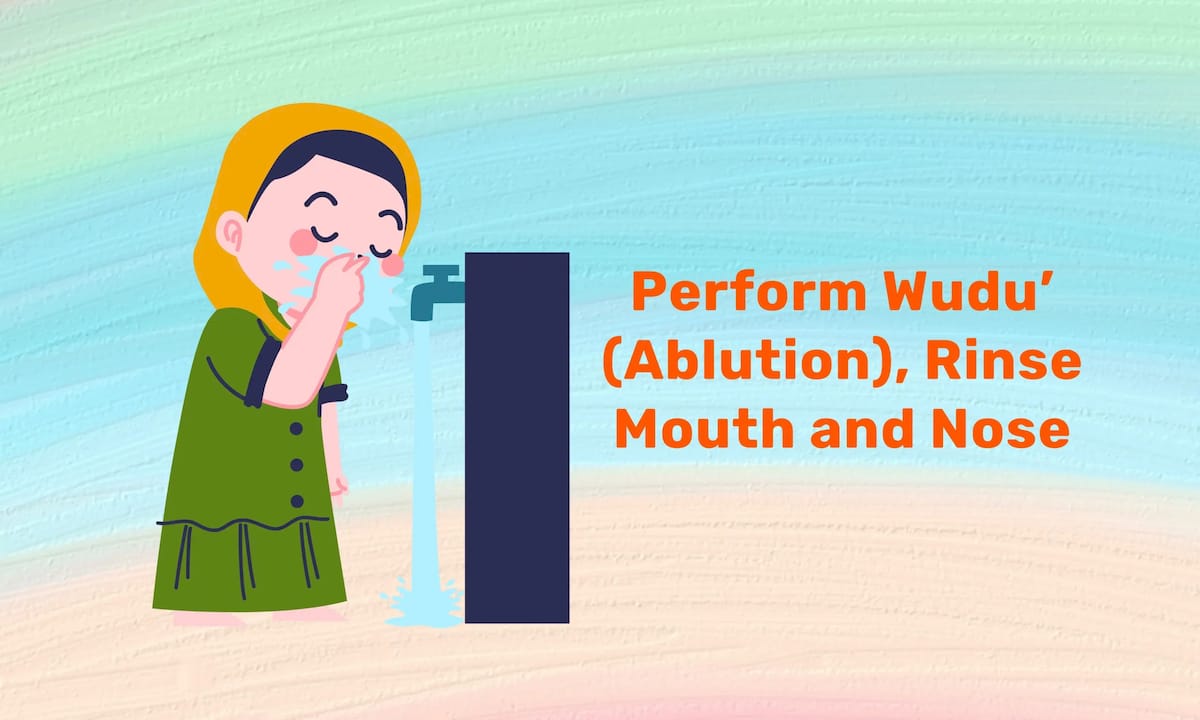
Step 4: Perform Wudu’ (Ablution)
Just like how you would perform wudhu’ for prayer, you are required to do the same for the ghusl as well, such as washing of the face, arms, wiping the head, and washing the feet.
IMPORTANT: One of the obligations or fard you cannot miss during this step is rinsing your mouth and nose, according to the Shafi’i, Maliki and Hanbali madhab. As for Hanafi, it is Sunnah, but omission without excuse is disliked.
*You may delay washing your feet until the end if water collects beneath you, as some narrations mention.
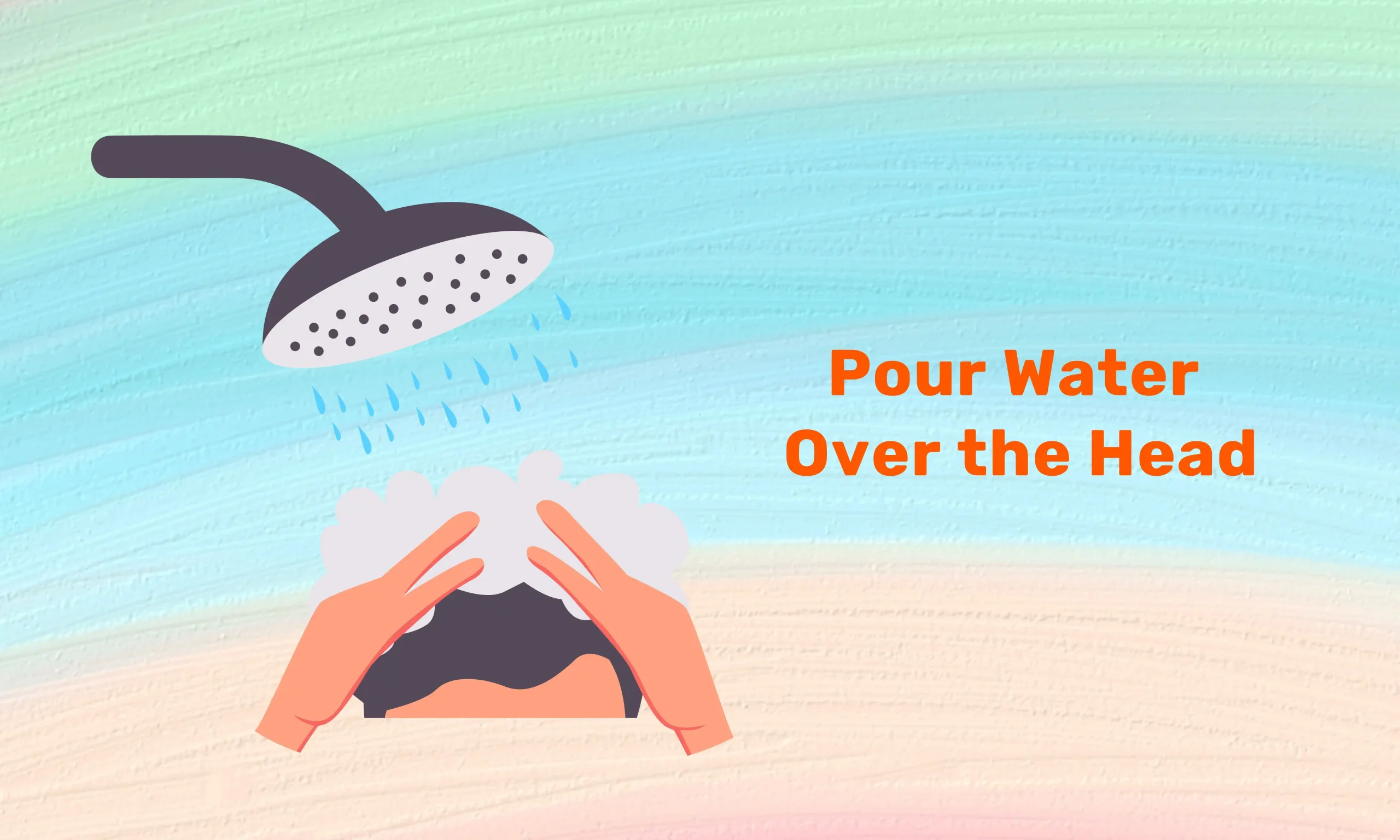
Step 5: Pour Water Over the Head
Using your hands, run your fingers through your hair, ensuring water reaches the roots and scalp. Pour water three times over the head, as the Prophet ﷺ did.
Sayyidatina ‘Aishah (raḍiallahu anha) said:
“He would pour three handfuls of water over his head.” (Bukhari, 248)
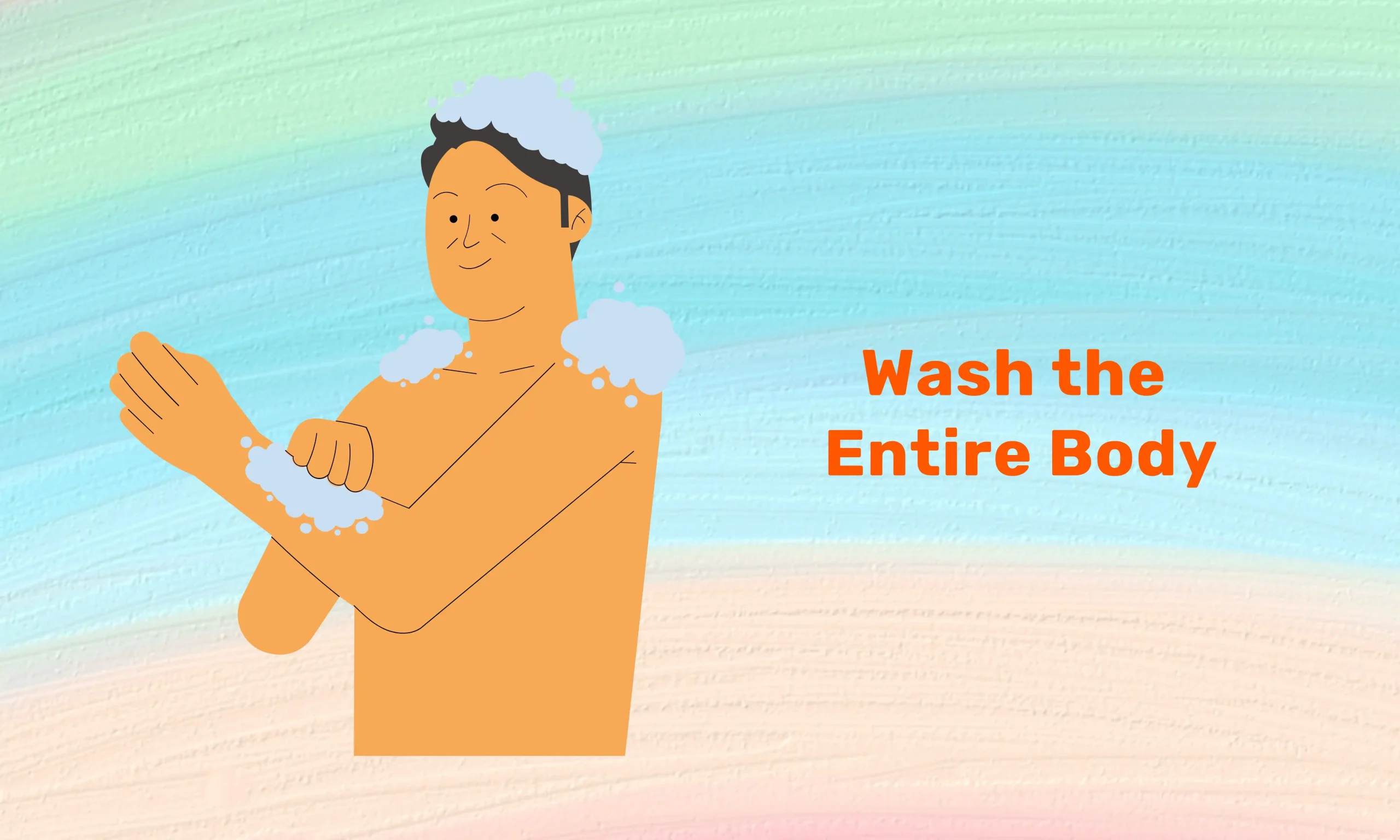
Step 6: Wash the Entire Body
After pouring water over your head, you should pour water over your entire body, starting from the right side, then the left. During this step, ensure that water reaches every part of your skin, including under the arms, behind the ears, and between the toes.
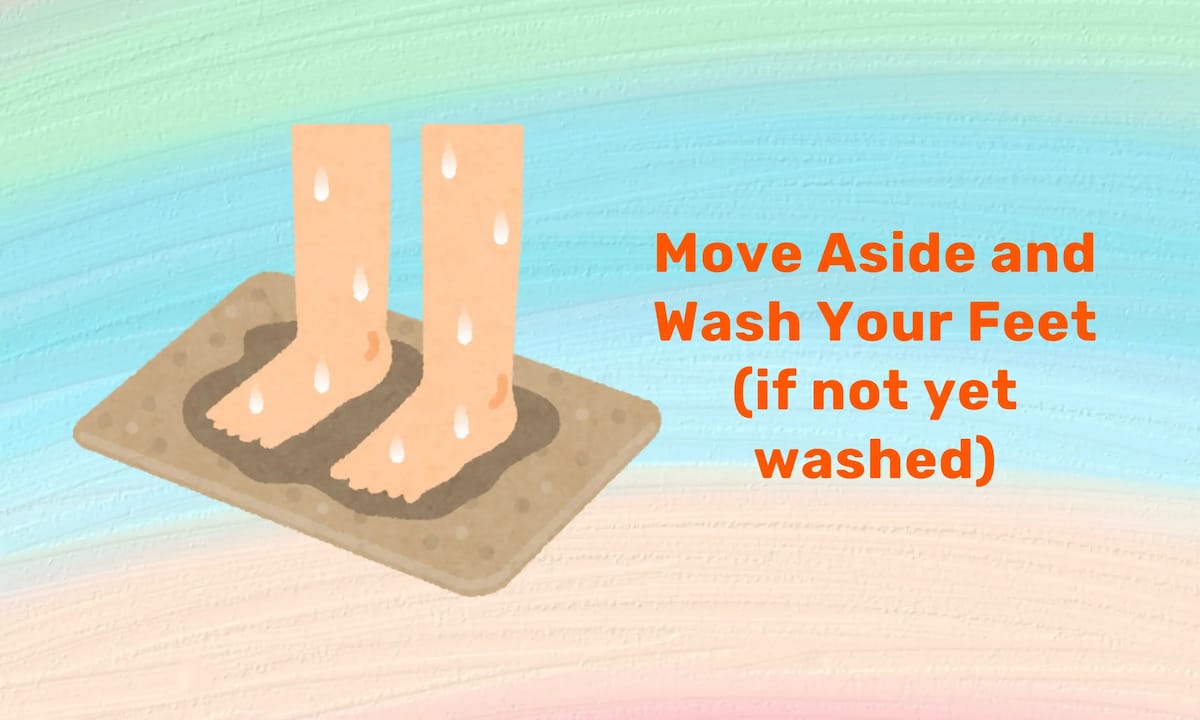
Step 7: Move Aside and Wash Your Feet (if not yet washed)
If you delayed washing your feet earlier, do it now.
Sunnah: Use Fragrance (for women who are not in ihram)
After the ghusl, Sayyidatina ʿA’ishah (raḍiallahu anha) reported:
“We would apply musk to the place of blood after purification.” (Sahih al-Bukhari, 314)
This is a recommended Sunnah for cleanliness and pleasantness, not an obligation.
You Are Now Pure (Tahirah)!
Once ghusl is complete, you are ritually pure and may resume all acts of worship: salah, fasting, and reciting or touching the Qur’an.
FAQs on Ghusl and Menstruation
1. Do I have to perform ghusl immediately after my period ends?
Yes, once you’re certain the bleeding has stopped (signs of purity are clear), it’s recommended to perform ghusl as soon as possible.
2. How do I know my menstruation has ended?
When you see complete dryness or the white discharge. Either is a valid sign of purity.
3. What if I’m unsure whether my period has ended?
Wait until you are certain. If you still see yellowish or brownish discharge or if you’re not completely dry, delay ghusl until you’re sure it has stopped.
4. Can I perform ghusl without removing my braids?
Yes, if water can reach the roots of your hair. The Prophet ﷺ told Umm Salamah (radiallahu anha) that undoing braids is not necessary. (Sahih Muslim, 330)
5. Is the method of ghusl the same for menstruation and janābah (major impurity)?
Yes. The same steps apply, only the intention differs, which need not be recited loudly.
6. Do I need to wash my entire hair during ghusl?
Yes, water must reach the roots of your hair. Pouring water three times over the head while ensuring it penetrates the scalp is sufficient.
7. What if I missed prayers during menstruation? Do I have to make them up after ghusl?
No. Missed prayers during menstruation are not to be made up, as the Prophet ﷺ had mentioned. (Sahih Muslim, 333)
8. Can I fast before performing ghusl if my period ends at night?
Yes. If your period ends before Fajr and you intend to fast, your fast is valid even if you perform ghusl after Fajr.
9. Can I perform tayammum (dry ablution) instead of ghusl?
Only if water is unavailable. Once water is available, ghusl must be performed.
10. Do I need to repeat ghusl if I find discharge after performing it?
If it’s a yellowish/brownish discharge after seeing clear purity, you don’t repeat ghusl. But if red blood reappears, that’s menstruation, and ghusl must be done again once it ends.
11. Can I combine ghusl for menstruation and janabah?
Yes. One ghusl with the intention to remove both states of impurity is sufficient.
12. Can I perform wudhu’ after ghusl, or is ghusl enough?
If you performed wudhu’ during ghusl or ensured its actions were included, you don’t need a separate wudu’. Otherwise, perform it afterwards.
13. Can I take a shower instead of performing ghusl?
A regular shower only counts as ghusl if the intention is made and water reaches the entire body (including mouth and nose, according to some madhhabs).
Join Our Essentials of Prayer for Ladies Course!
If you would like to learn more about the essentials of performing ghusl or prayer as a Muslim woman, our female-only essentials of prayer course is just for you!
Essentials of Prayer for Ladies is one of our newest Islamic courses for women, fully geared at meeting the Islamic educational needs relating to salah of our Muslimahs. Throughout the lessons, it will address the intricacies and uniqueness of performing salah as a Woman in a Female-only environment so awkward questions may be asked without fear of embarrassment or shyness pervading.
Thus, the objective of this Islamic course for ladies is to help women understand the fundamentals and distinct rulings of salah in an exclusive all-ladies course. Join our course today and be empowered as a Muslim woman!
Conclusion
Ghusl after menstruation is more than just a physical act of cleansing. It’s a sacred moment of renewal.
With every drop of water that touches the skin, a believer symbolically sheds spiritual heaviness and steps back into a state of closeness with Allah Almighty.
When a woman performs ghusl with mindfulness, gratitude, and intention, she’s not only fulfilling a divine command but also reconnecting her heart to worship.
So let ghusl be more than a routine; let it be a quiet moment of rebirth; a time to realign your soul, refresh your spirit, and return to prayer with renewed peace and faith. Join our female-only course to get all of your fiqh questions answered today.