

Introduction
There’s not a lot of discussions on Islamic parenting, but it is undeniably one of the most profound responsibilities entrusted to human beings.
In Islam, children are not just blessings but also a trust or an Amanah from Allah Almighty. Every parent is accountable for how they raise their children, whether they nurture them with love, discipline, and the right values, or neglect their duty.
In modern conversations about raising children, the concept of “tough love” often comes up, but what does it really mean?
In today’s world, parents who use this approach believe that by being strict, emotionally distant, or harsh, they are preparing their children for the “real world.”
Phrases like “I’m doing this to toughen them up!” often accompany such methods. Yet, when we examine this through the lens of Islam, we find that excessive harshness contradicts the Prophetic way.
Children need boundaries, yes, but they also desperately need compassion, warmth, and emotional safety. Although the purpose of this parenting style is to prepare children for real-life challenges, it should be done in an environment where they feel deeply loved and supported, not insulted.
It is important that parents find this balance between mercy and discipline. In fact, the Islamic perspective on parenting beautifully combines compassion with firmness, making sure that children grow into responsible, resilient, and God-conscious adults.
In this article, we’ll explore what Islam says about parenting, the definition of “tough love”, what the 7-7-7 rule of parenting in Islam teaches us, and whether tough love is effective when raising children the Islamic way.

Parenting in Islam: A Sacred Responsibility
Parenting in Islam is far more than just feeding, clothing, and educating children. It is a holistic responsibility that includes nurturing their faith, manners, emotional well-being, and life skills. The Qur’an reminds us that children are both a joy and a test:
“Wealth and children are [but] adornment of the worldly life. But the enduring good deeds are better to your Lord for reward and better for [one’s] hope.” (Surah Al-Kahf 18:46)
This verse reminds parents not to see children as mere extensions of themselves, but as a trust whose proper upbringing has eternal consequences, not only for the parent but also children.
The Prophet Muhammad ﷺ also emphasized that parents are shepherds responsible for their flock:
“Every one of you is a shepherd and every one of you will be asked about his flock. A ruler is a shepherd over his people and will be asked about them. A man is a shepherd over the members of his household and will be asked about them. A woman is a shepherd over the house of her husband and children and will be asked about them. And the servant is a shepherd over the wealth of his master and will be asked about it.” (Bukhari & Muslim)
From this hadith, we understand that raising children is not casual. It is a leadership role, a sacred duty.
In practice, this means parents must balance love and discipline. Too much leniency may spoil children, while excessive harshness may drive them away from the values of Islam. The Islamic way of parenting calls for moderation: guiding children with gentleness, but also setting firm rules to shape their character.
What Does Islam Say About Parenting?
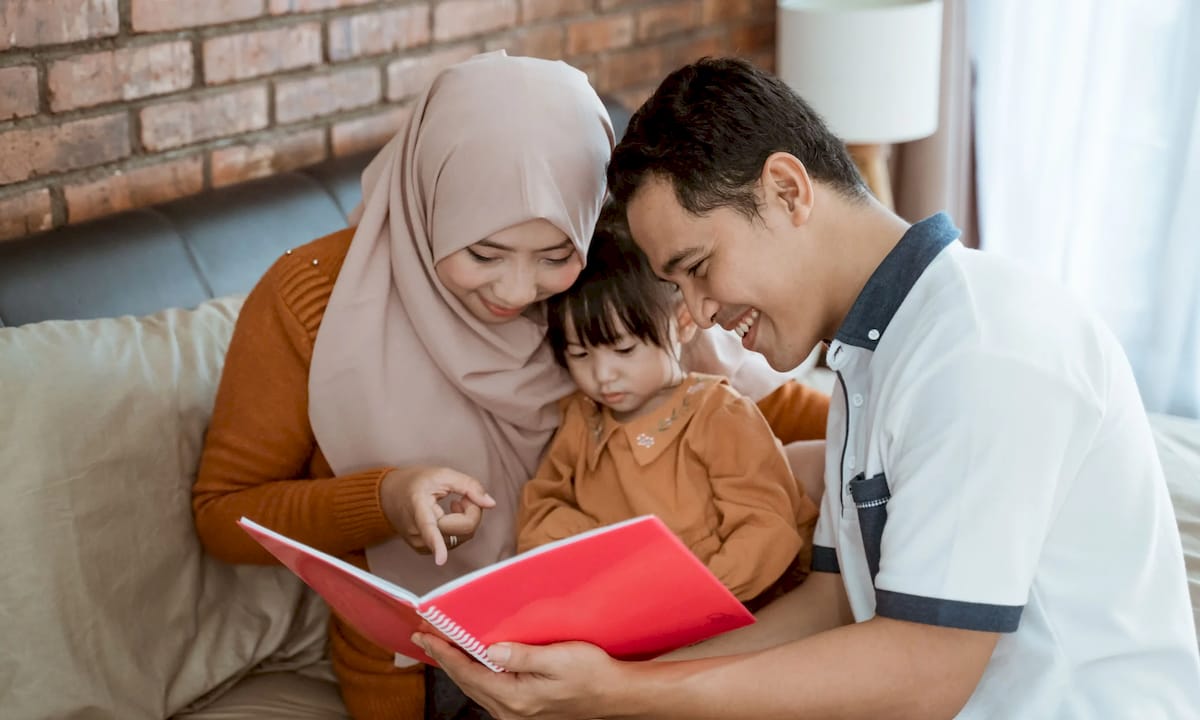
From an Islamic perspective, parenting is about raising children who are connected to Allah Almighty, respectful to others, and beneficial to society. It goes beyond worldly success. It is about cultivating righteousness (taqwa) and good character (akhlaq).
Core principles of parenting in Islam include:
- Love and Mercy – The Prophet ﷺ was known for his gentleness with children. He would greet them, play with them, and show affection. This builds a strong emotional bond.
- Discipline and Manners – Islam stresses the importance of adab or akhlaq or good manners. The Prophet ﷺ said:
“A father gives his child nothing better than good manners.” (Tirmidhi)
Parents must teach children respect, patience, gratitude, and self-control.
- Spiritual Upbringing – Teaching children salah, Qur’an, remembrance of Allah Almighty, and reliance on Him. This gives them a moral compass.
- Avoiding Extremes – Neither neglect nor excessive strictness is encouraged. Children should not be over-indulged, nor should they be harshly controlled.

Understanding Tough Love in Parenting
Now, let’s dive into the concept of tough love. What does it mean, and how does it align with Islamic parenting?
Definition: Tough love means loving your child enough to set limits, enforce discipline, and sometimes make difficult decisions for their well-being, even if it makes them upset in the short term. It is not about cruelty or neglect, but about long-term growth.
Signs of tough love:
- Parents constantly saying “no” without explanation.
- Withdrawing affection when a child makes mistakes.
- Using punishment more than encouragement.
- Dismissing a child’s emotions with “stop crying” or “be strong.”
- Believing struggle is the only teacher, while neglecting guidance.
- Resorting to harshness and punishment and mistake it with ‘love’.
👉 These signs often leave children feeling unloved, misunderstood, and resentful.
Why do parents use tough love?
- Fear their children will be “soft” or spoiled.
- Anxiety about the challenges of adulthood.
- Belief that harshness = discipline.
What is an example of tough love parenting?
A 10-year-old boy struggles with his math homework and starts to cry out of frustration. Instead of sitting down with him, the parent says:
“Stop crying. The world is tough and no one will help you out there. If you can’t do it, you’ll just fail. I’m not going to hold your hand forever.”
The parent then leaves the child alone, thinking this will “toughen him up.”
What should be done instead:
Say: “It’s alright. I can see that you’re trying really hard to understand these difficult concepts. Let’s take a look at your homework together. Perhaps browse through the Internet for some answers?”
The child and parent work together to figure out the solutions together. This does not only enhance the child-parent relationship, but a bonus for the parent to gain knowledge.
The 7-7-7 Rule of Parenting in Islam
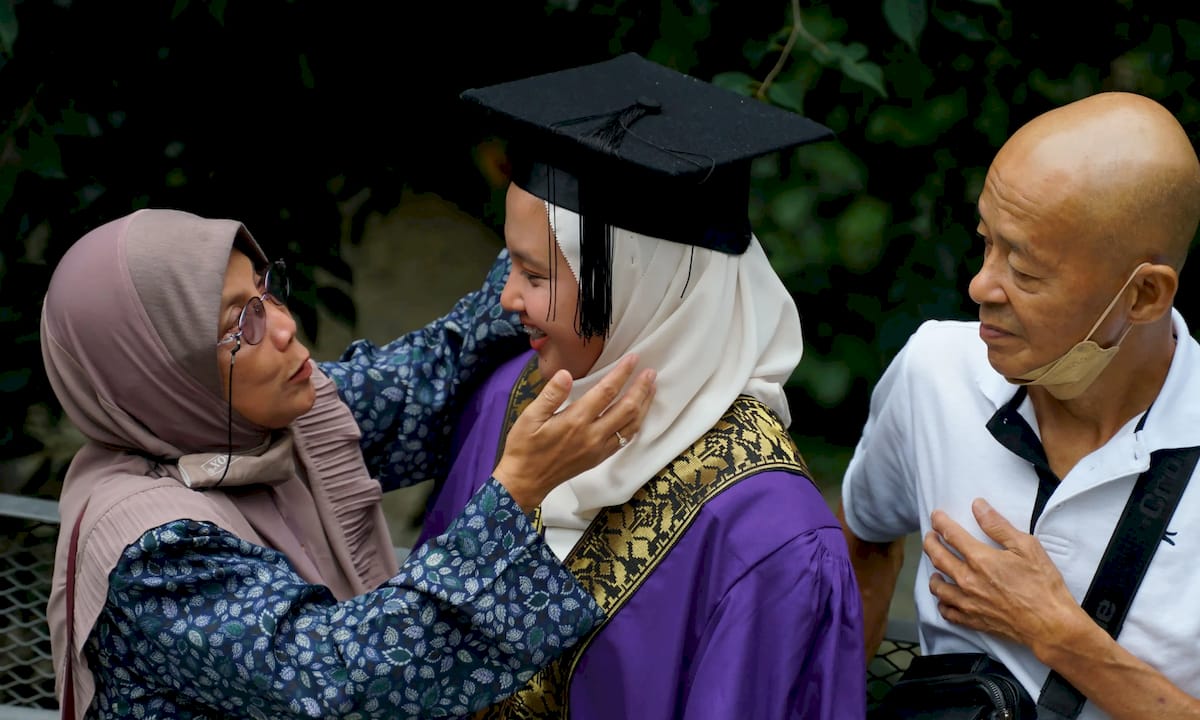
One of the most beautiful frameworks in Islamic parenting is the 7-7-7 rule, derived from advice attributed to companions and scholars:
- First 7 years (0–7): Play with them.
- Second 7 years (7–14): Teach and discipline them.
- Third 7 years (14–21): Befriend them.
This rule reflects natural child development and aligns with Prophetic parenting principles.
First 7 Years – Love and Play
During this stage, children need affection, security, and play. Discipline is minimal; the goal is to build trust and emotional bonding.
Second 7 Years – Teaching and Discipline
Here is where discipline is necessary, but it should be done with trust, love and mercy still. Children begin to learn responsibility, salah, manners, and values. Firmness is necessary, but always with kindness.
Third 7 Years – Friendship and Guidance
Teenagers need respect, trust, and friendship from parents. By this age, love means guiding them through advice and mutual respect rather than control.
The 7-7-7 rule beautifully demonstrates that tough love is not static; it transforms as the child grows.
Parenting Through the Prophetic Lens
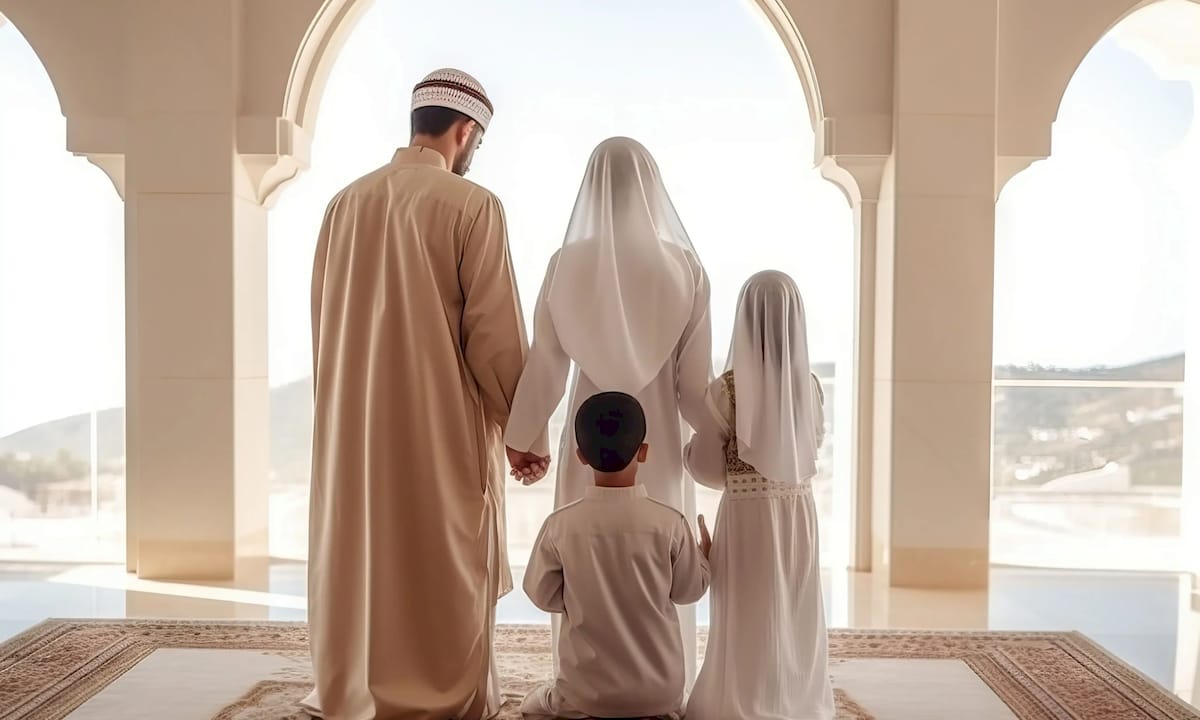
The Prophet ﷺ was the best model of balance in parenting. He showed immense compassion for children yet did not hesitate to correct gently when needed.
For example:
He would prolong his prostration when his grandchildren climbed on his back during salah (mercy).
“The Messenger of Allah (ﷺ) came out to us for one of the evening prayers, carrying Hasan or Husayn. The Messenger of Allah (ﷺ) came forward and put him down, then he said the Takbir and started to pray. He prostrated during his prayer, and made the prostration lengthy. My father said: I raised my head and saw the child on the back of the Messenger of Allah (ﷺ) while he was prostrating, so I went back to my prostration. When the Messenger of Allah (ﷺ) finished praying, the people said: ‘O Messenger of Allah (ﷺ), you prostrated during the prayer for so long that we thought that something had happened or that you were receiving a revelation.’ He said: ‘No such thing happened. But my son was riding on my back and I did not like to disturb him until he had had enough.’” [Sunan An-Nasa’i]
This shows us that Islamic tough love is never harshness. It is firm love rooted in compassion.
Is Tough Love Parenting Effective?
Modern psychology suggests that parenting styles with both warmth and discipline (authoritative parenting) are most effective. Children raised this way tend to be:
- More confident
- Better at self-regulation
- Academically successful
- Socially responsible
In Islam, parenting is effective when it comes from the lens of love, mercy, compassion and respect. If a parent acts or reacts too harshly, it may backfire and push children away. But when combined with affection and consistent guidance, it creates strong, well-rounded individuals.
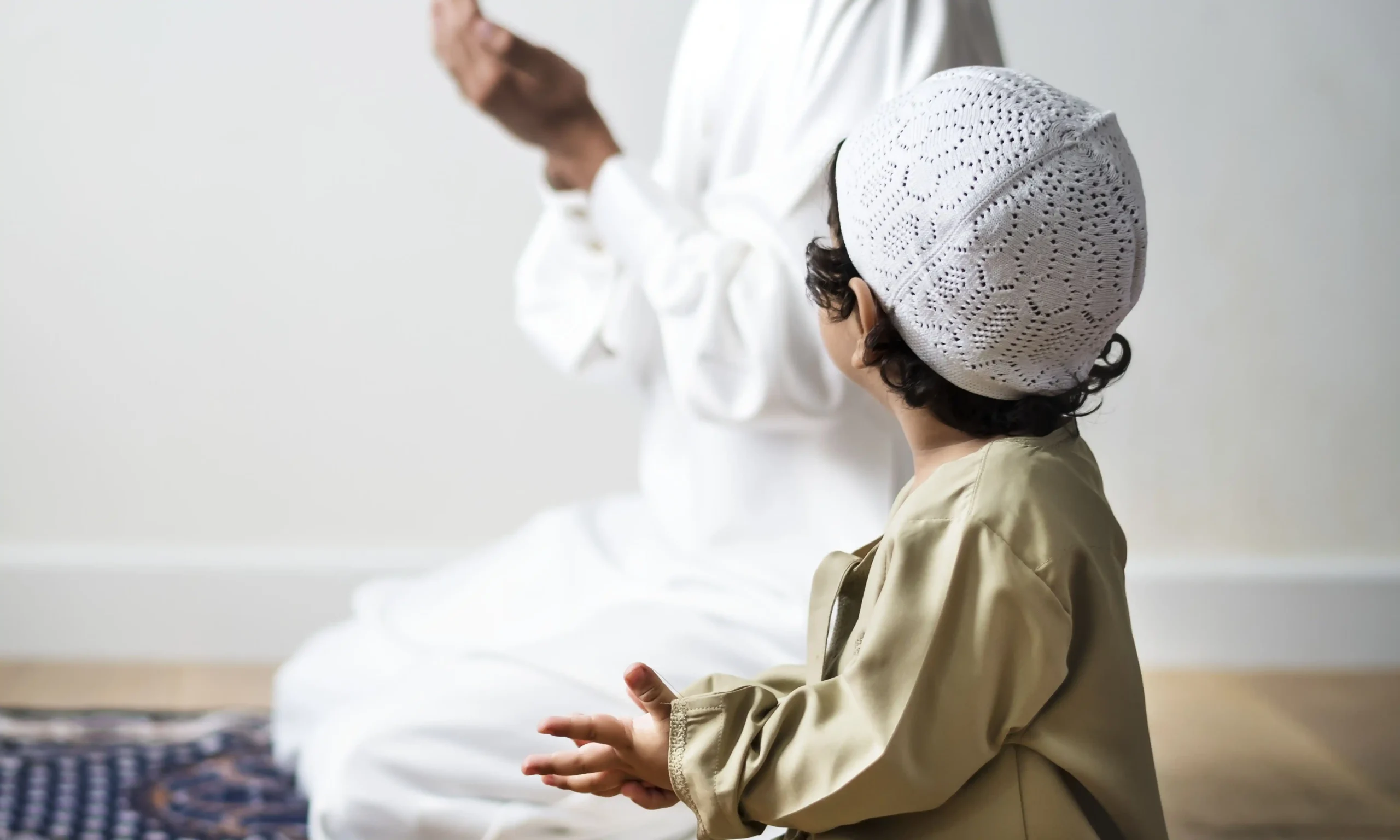
Practical Islamic Parenting Strategies
Here are some actionable ways parents can instil or nurture love in their households:
- Gentle but Firm Boundaries: Enforce rules, but explain why. “We pray because Allah Almighty loves us and it connects us to Him,” not just “Pray or else.”
- Emotionally Validate: Allow children to express feelings. The Prophet ﷺ never mocked or dismissed children’s emotions.
- Correct Privately, Praise Publicly: Avoid humiliating children; instead, uplift their efforts.
- Use Positive Reinforcement: Reward good behavior with encouragement and love.
- Teach Through Play and Storytelling: The Prophet ﷺ often used stories and practical examples.
- Be Present and Affectionate: Hug, play, listen. Emotional safety creates obedience rooted in love, not fear.
- Pray for Them: Du’a is a parent’s strongest tool, not harshness.
Conclusion
Parenting in Islam is about balance balance between mercy and discipline, trust and boundaries.
The 7-7-7 rule illustrates this balance beautifully: love in early years, discipline in formative years, and friendship in teenage years. Combined with the Prophet’s ﷺ example, parents can raise children who are resilient, disciplined, and spiritually grounded.
Ultimately, parenting in the Prophetic and Islamic way is effective because it reflects the divine balance between Allah’s Divine Mercy and Justice. As parents, we strive to embody this balance, raising children who are not only successful in this world but also guided towards eternal success in the hereafter.