

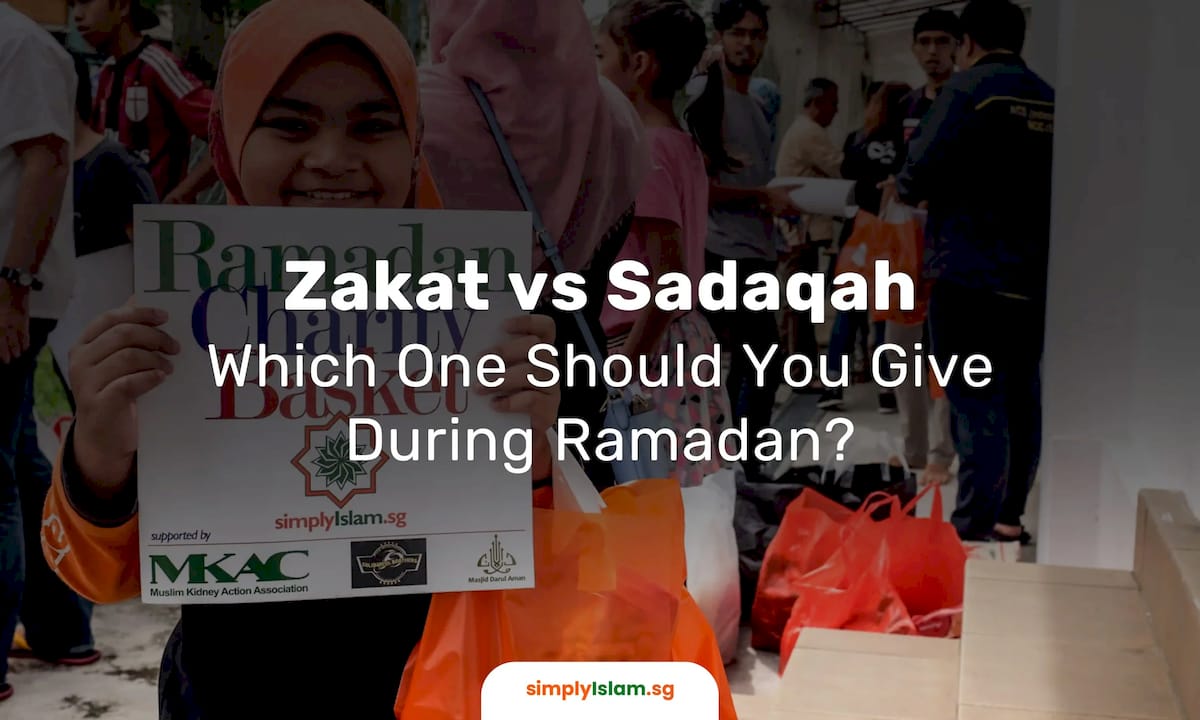


Giving charity and zakat in Ramadan is one of the most commonly practiced and essential deeds across the globe. It is a moment of community bonding, relieving the burdens of the needy and a way to purify one’s wealth as well as spirituality.
However, one common confusion tends to occur amongst some Muslims, which is mistaking charity for zakat, which is not the same in its essence. Hence, we will clarify the difference between sadaqah and zakat in terms of definition, significance and how to maximise both of these acts in the month of Ramadan.
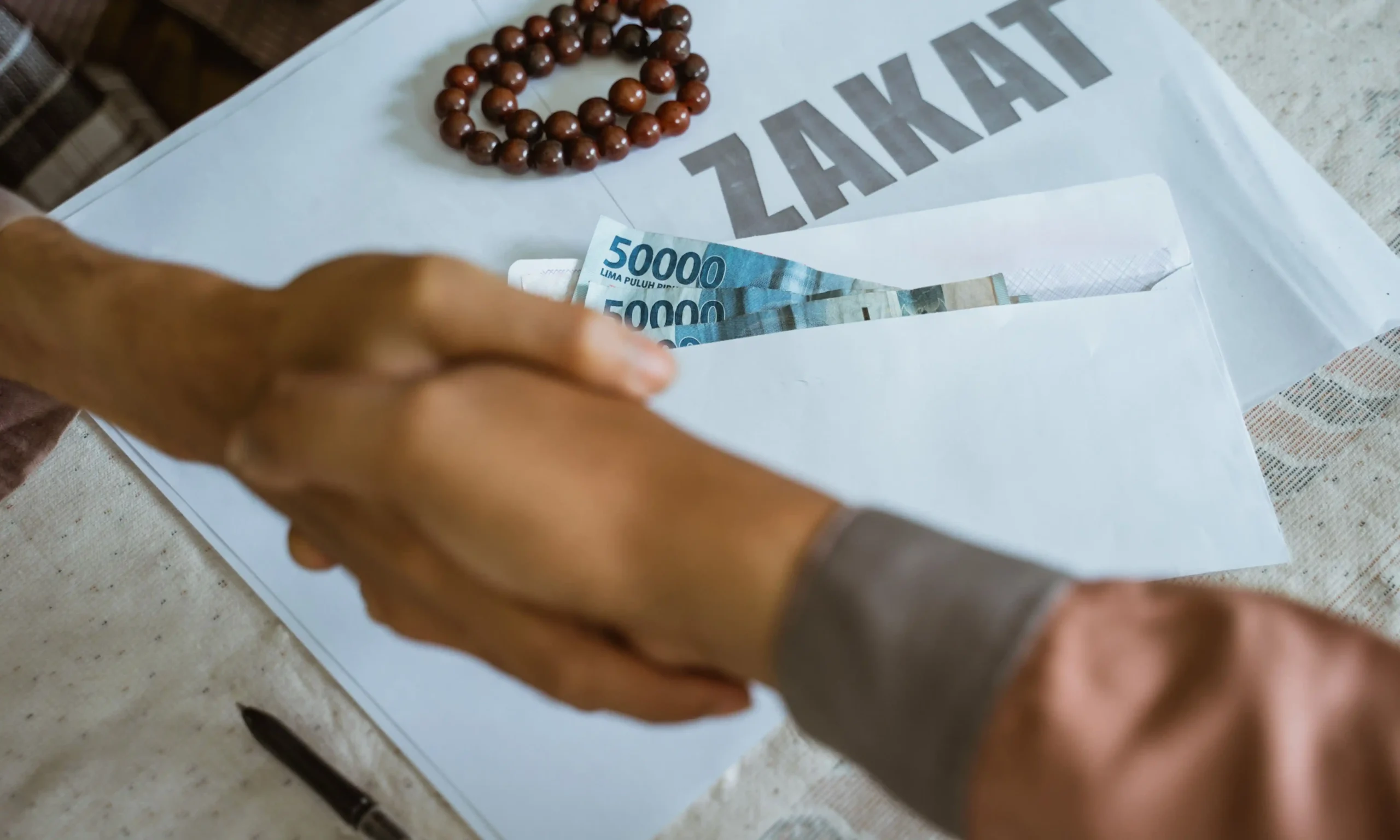
What Is Zakat?
The literal definition of Zakat is purification and growth. More technically, it means to give a fixed portion of your halal earnings or wealth to specific categories of people who are eligible for the contribution.
Zakat is obligated by Allah Almighty; as commanded in the fourth pillar of Islam. The failure to fulfil this obligation will result in sin, so it is essential for all Muslims eligible to pay zakat to perform this act of deed once a year.
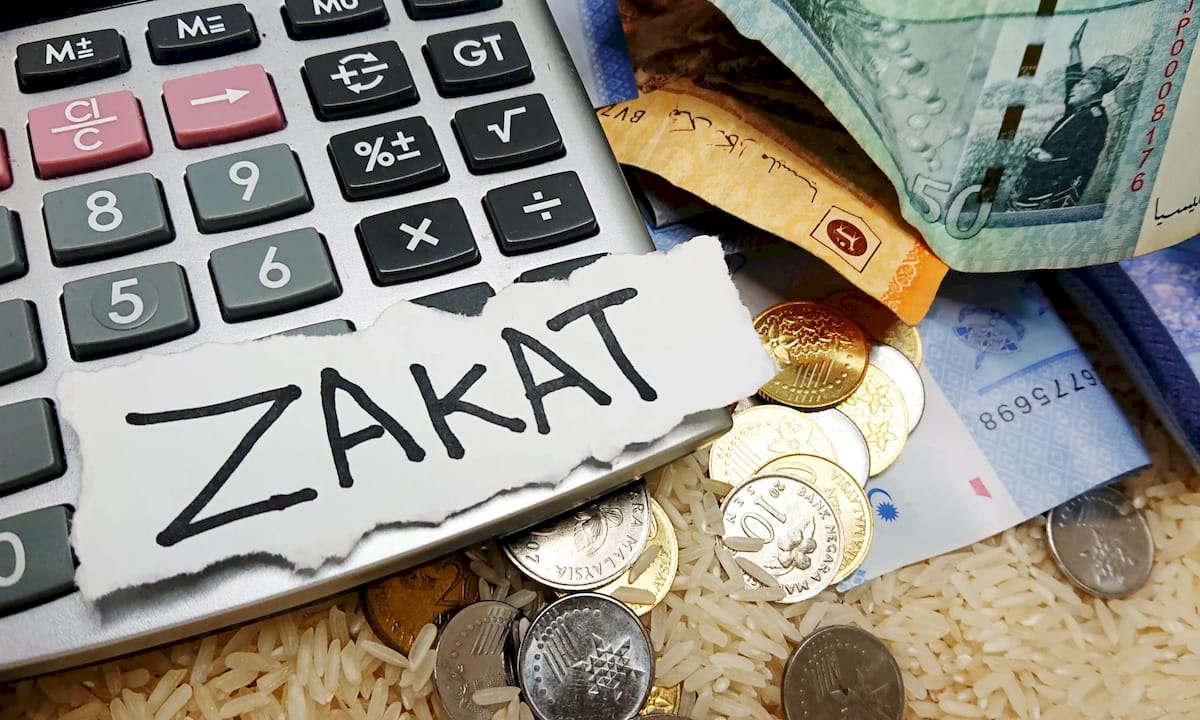
What is the significance of Zakat?
Zakat is the means to purify your wealth. Whatever halal earnings you’ve worked for yourself, it is best to purify that wealth by sharing it with those in need.
Another reason why Zakat is paramount is to cleanse the heart from greed and gluttony. All of the wealth we’ve accumulated in this world is not to be hoarded, but to share; to spread relief, compassion and mercy.
Zakat is also important in circulating wealth in society, creating social and economic justice, ensuring that everyone has at least access to basic necessities like food, water and shelter. Denying these rights to unfortunate people in our society says more about us as a dysfunctional society rather than the needy.
Speaking of denying people basic necessities, giving Zakat also helps protect society from extreme poverty that causes imbalance in terms of social and economic aspects. Imagine living in a place with stark disparity; the rich being richer, and the poor poorer. This is an indication of a social and economic flaw that tips such balance.
Not only that, but paying Zakat religiously every year trains discipline for us to save appropriately and to ensure that we always have more to share with those in need. With discipline, it helps us not just in becoming better Muslims, but better members of society.

Who Must Pay Zakat
There are a few conditions for a Muslim to pay zakat. If you don’t fulfil these conditions, you are not required to pay zakat.
- You are Muslim
-
-
- This is a straightforward condition. One who is obligated to pay zakat must be a Muslim. Otherwise, they can just give a general charity instead of the prescribed Zakat.
-
- You own wealth above the nisab threshold
-
-
- What does it mean to own wealth above the nisab threshold? Nisab means a minimum amount of money you should possess to qualify yourself for zakat.
-
- That wealth has been in your possession for one lunar year (haul)
-
- It is important to note that not only is the nisab threshold one of the conditions to fulfil, but also if that same minimum amount has been in your possession for one lunar year, which is equal to 354 days. This is according to the Hijri calendar.
- How do you know when to start counting the haul? It begins once your wealth reaches nisab. For example, if your savings have reached the nisab on 10 Ramadan 1446H, and you keep at least nisab without dropping below it, your zakat will be due on 10 Ramadan 1447H.
- However, if your savings go below the nisab threshold, the haul will reset and you will not be obligated to pay Zakat.
How Much Is Zakat
Zakat is set at 2.5% of eligible wealth. This percentage is only eligible for cash and savings, gold and silver, investments and business assets.
What’s not zakatable are personal properties such as home, car, clothes, and daily-use items.
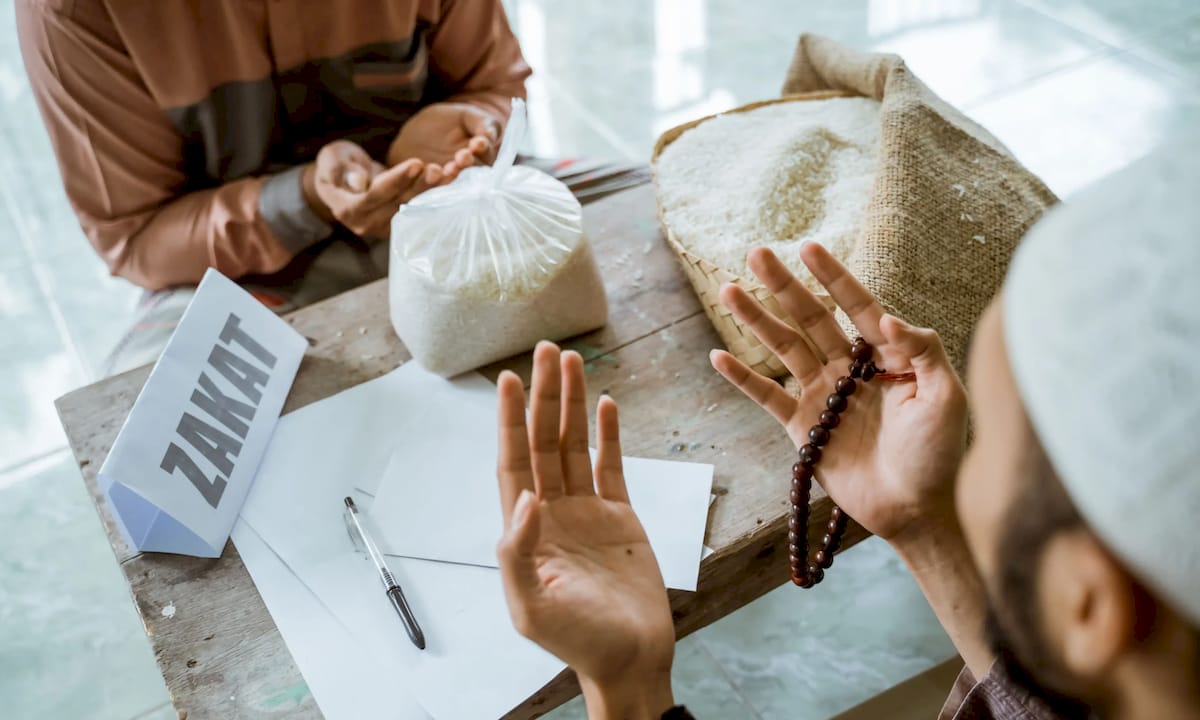
Who Receives Zakat
As mentioned in the Qur’an in Surah At-Tawbah verse 60, Allah Almighty mentions the 8 eligible categories to receive Zakat, which includes the poor, the needy, those in debt, zakat administrators, mu’allaf or new Muslims, or other groups specified by Islamic law.
۞ إِنَّمَا ٱلصَّدَقَـٰتُ لِلْفُقَرَآءِ وَٱلْمَسَـٰكِينِ وَٱلْعَـٰمِلِينَ عَلَيْهَا وَٱلْمُؤَلَّفَةِ قُلُوبُهُمْ وَفِى ٱلرِّقَابِ وَٱلْغَـٰرِمِينَ وَفِى سَبِيلِ ٱللَّهِ وَٱبْنِ ٱلسَّبِيلِ ۖ فَرِيضَةًۭ مِّنَ ٱللَّهِ ۗ وَٱللَّهُ عَلِيمٌ حَكِيمٌۭ ٦٠
Zakat are meant only for the poor, the needy, those who administer them, those whose hearts need winning over, to free slaves and help those in debt, for God’s cause, and for travellers in need. This is ordained by God; God is all knowing and wise. [Qur’an 9:60]
It is important to note that the categories eligible for Zakat are restricted to these mentioned only.
Zakat in the Qur’an and Sunnah
وَأَقِيمُوا۟ ٱلصَّلَوٰةَ وَءَاتُوا۟ ٱلزَّكَوٰةَ وَٱرْكَعُوا۟ مَعَ ٱلرَّٰكِعِينَ ٤٣
Keep up the prayer, pay the prescribed alms, and bow your heads [in worship] with those who bow theirs. (2:43)
خُذْ مِنْ أَمْوَٰلِهِمْ صَدَقَةًۭ تُطَهِّرُهُمْ وَتُزَكِّيهِم بِهَا وَصَلِّ عَلَيْهِمْ ۖ إِنَّ صَلَوٰتَكَ سَكَنٌۭ لَّهُمْ ۗ وَٱللَّهُ سَمِيعٌ عَلِيمٌ ١٠٣
In order to cleanse and purify them [Prophet], accept a gift out of their property [to make amends] and pray for them- your prayer will be a comfort to them. God is all hearing, all knowing. (9:103)
۞ إِنَّمَا ٱلصَّدَقَـٰتُ لِلْفُقَرَآءِ وَٱلْمَسَـٰكِينِ وَٱلْعَـٰمِلِينَ عَلَيْهَا وَٱلْمُؤَلَّفَةِ قُلُوبُهُمْ وَفِى ٱلرِّقَابِ وَٱلْغَـٰرِمِينَ وَفِى سَبِيلِ ٱللَّهِ وَٱبْنِ ٱلسَّبِيلِ ۖ فَرِيضَةًۭ مِّنَ ٱللَّهِ ۗ وَٱللَّهُ عَلِيمٌ حَكِيمٌۭ ٦٠
Alms are meant only for the poor, the needy, those who administer them, those whose hearts need winning over, to free slaves and help those in debt, for God’s cause, and for travellers in need. This is ordained by God; God is all knowing and wise. [Qur’an 9:60]
It was narrated that ‘Ali (رضي الله عنه) said:
The Messenger of Allah (ﷺ) said: `I have relieved you of zakah on horses and slaves, so give zakah on silver: for every forty dirhams, one dirham. There is no zakah on one hundred and ninety, but if it reaches two hundred, then five dirhams are due (in zakah).` [Jami’ At Tirmidhi]
Narrated Khalid bin Aslam:
We went out with ‘Abdullah bin ‘Umar and a bedouin said (to ‘Abdullah), “Tell me about Allah’s saying: “And those who hoard up gold and silver (Al-Kanz – money, gold, silver etc., the Zakat of which has not been paid) and spend it not in the Way of Allah (V.9:34).” Ibn ‘Umar said, “Whoever hoarded them and did not pay the Zakat thereof, then woe to him. But these holy Verses were revealed before the Verses of Zakat. So when the Verses of Zakat were revealed, Allah made Zakat a purifier of the property.” [Sahih Al Bukhari]
Abu Huraira (radiallahu anhu) reported God’s messenger as saying, “There is zakat applicable to everything, and the zakat of the body is fasting.” [Mishkat Al Masabih]

What Is Sadaqah?
Sadaqah comes from the Arabic root ṣ-d-q (صدق), which mean truthfulness, sincerity, and genuine faith. Sadaqah is called that because it is a proof of your sincerity toward Allah Almighty.
In essence, Sadaqah is any voluntary act of goodness done purely for the sake of Allah Almighty. One of the most common misconceptions when people think of sadaqah is that it should only come in the form of money. It is not the case.

What Counts as Sadaqah?
Sadaqah can be anything that can alleviate the burden of another person. Let’s break it down into two categories; material and non-material forms of Sadaqah.
Material: money, feeding someone, donating clothes, paying it forward, paying another person’s bills, etc.
Non-material: a sincere smile, kind and uplifting words, removing harm from the road, helping someone carry loads, teaching knowledge, making du’a for someone and more.
The examples are quite broad, as long as it accomplishes the following: it removes burden from another person, it improves one’s day, and it enhances bonding between one another.

Who Can Give Sadaqah?
Anyone can give sadaqah, regardless of faith. Sadaqah can be given at any time of the year, and at any amount one wishes, as long as they are sincere.

Who Can Receive Sadaqah?
There are no specific categories or groups of those eligible to receive sadaqah. It can be given to anyone in need, family members, non-Muslims, animals and even plants. Think of sadaqah as performing kindness to Allah’s creation.

The Benefits of Giving Sadaqah
There are many benefits of giving Sadaqah in the month of Ramadan. Some of the benefits include:
1. Increased Reward from Allah Almighty
Those who spend their wealth in God’s cause are like grains of corn that produce seven ears, each bearing a hundred grains. God gives multiple increase to whoever He wishes: He is limitless and all knowing. (2:261)
2. Forgiveness of Sins
One of the ways to expiate your sins is through giving charity. With every dollar given, your minor sins will be cleansed. Your heart will be purified from all things tainted.
3. Strengthening Faith and Taqwa
Giving charity in Islam intentionally increases your mindfulness and awareness of Allah Almighty. In a way, you are strengthening your Ihsan, to help others relieve their burdens.
4. Preparing for the Hereafter
Acts of sadaqah are investments in the Hereafter. If you’re looking for an opportunity to help, consider supporting a family in Singapore this Ramadan. Our charity baskets provide financial aid, food and essentials for those in need.
Learn the 20 benefits of giving charity in Ramadan today by reading our full article.

Sadaqah or Charity in the Qur’an and Sunnah
۞ لَّيْسَ ٱلْبِرَّ أَن تُوَلُّوا۟ وُجُوهَكُمْ قِبَلَ ٱلْمَشْرِقِ وَٱلْمَغْرِبِ وَلَـٰكِنَّ ٱلْبِرَّ مَنْ ءَامَنَ بِٱللَّهِ وَٱلْيَوْمِ ٱلْـَٔاخِرِ وَٱلْمَلَـٰٓئِكَةِ وَٱلْكِتَـٰبِ وَٱلنَّبِيِّـۧنَ وَءَاتَى ٱلْمَالَ عَلَىٰ حُبِّهِۦ ذَوِى ٱلْقُرْبَىٰ وَٱلْيَتَـٰمَىٰ وَٱلْمَسَـٰكِينَ وَٱبْنَ ٱلسَّبِيلِ وَٱلسَّآئِلِينَ وَفِى ٱلرِّقَابِ وَأَقَامَ ٱلصَّلَوٰةَ وَءَاتَى ٱلزَّكَوٰةَ وَٱلْمُوفُونَ بِعَهْدِهِمْ إِذَا عَـٰهَدُوا۟ ۖ وَٱلصَّـٰبِرِينَ فِى ٱلْبَأْسَآءِ وَٱلضَّرَّآءِ وَحِينَ ٱلْبَأْسِ ۗ أُو۟لَـٰٓئِكَ ٱلَّذِينَ صَدَقُوا۟ ۖ وَأُو۟لَـٰٓئِكَ هُمُ ٱلْمُتَّقُونَ ١٧٧
Goodness does not consist in turning your face towards East or West. The truly good are those who believe in God and the Last Day, in the angels, the Scripture, and the prophets; who give away some of their wealth, however much they cherish it, to their relatives, to orphans, the needy, travellers and beggars, and to liberate those in bondage; those who keep up the prayer and pay the prescribed alms; who keep pledges whenever they make them; who are steadfast in misfortune, adversity, and times of danger. These are the ones who are true, and it is they who are aware of God. [2:177]
مَّثَلُ ٱلَّذِينَ يُنفِقُونَ أَمْوَٰلَهُمْ فِى سَبِيلِ ٱللَّهِ كَمَثَلِ حَبَّةٍ أَنۢبَتَتْ سَبْعَ سَنَابِلَ فِى كُلِّ سُنۢبُلَةٍۢ مِّا۟ئَةُ حَبَّةٍۢ ۗ وَٱللَّهُ يُضَـٰعِفُ لِمَن يَشَآءُ ۗ وَٱللَّهُ وَٰسِعٌ عَلِيمٌ ٢٦١
Those who spend their wealth in God’s cause are like grains of corn that produce seven ears, each bearing a hundred grains. God gives multiple increase to whoever He wishes: He is limitless and all knowing. [2:261]
Abu Dharr narrated that the Messenger of Allah said:
“Your smiling in the face of your brother is charity, commanding good and forbidding evil is charity, your giving directions to a man lost in the land is charity for you. Your seeing for a man with bad sight is a charity for you, your removal of a rock, a thorn or a bone from the road is charity for you. Your pouring what remains from your bucket into the bucket of your brother is charity for you.” [Jami At-Tirmidhi]
Abu Hurairah (May Allah be pleased with him) reported:
Messenger of Allah (ﷺ) said, “On every joint of man, there is charity, on everyday when the sun rises: doing justice between two men is charity, and assisting a man to ride an animal or to load his luggage on it is charity; and a good word is charity, every step which one takes towards (the mosque for) Salat is charity, and removing harmful things from the way is charity”. [Al-Bukhari & Muslim]
Salman bin Amir Dabbi narrated that:
the Messenger of Allah said: “Charity given to the poor is charity, and that given to a relative is two things: charity and upholding the ties of kinship.” [Sunan Ibn Majah]
Abu Hurairah narrated that the Messenger of Allah said:
“A man said” ‘I am going to give some charity.’ So he went out with his charity and put it in the hand of a thief. The next morning they started talking about how charity had been given to a thief. Then he said: ‘O Allah, to You be praise for the thief. I am going to give some charity.’ So he went out with his charity and put it in the hand of a prostitute. The next morning they started talking about how charity had been given to a prostitute. He said: ‘O Allah, to You be praise for the prostitute. I am going to give some charity. So he went out with his charity and put it in the hand of a rich man. The next morning they started talking about how charity had been given to a rich man. He said: ‘O Allah, th You be praise for the prostitute, the thief and the rich man. ‘Then the message came to him: As for your charity, it is accepted. As for the prostitute, perhaps it will keep her from committing Zina. As for the thief, perhaps it will stop him from stealing. And as for the rich man, perhaps he will learn a lesson, and will spend from that which Allah, the Mighty and Sublime, has given him.”‘ [Sunan an-Nasa’i]
Jabir (May Allah be pleased with him) reported:
Messenger of Allah (ﷺ) said, “When a Muslim plants a tree, whatever is eaten from it is charity from him and whatever is stolen is charity and whatever is subtracted from it is charity”. [Sahih Muslim]

Zakat vs Sadaqah: What’s the Difference?
Now that we’ve understood the definition of Zakat, its importance and the conditions of Zakat eligibility and the categories of recipients, let’s look at the table below that differentiates between Zakat and Sadaqah.
| Aspect | Zakat | Sadaqah |
| Definition | Obligatory charity commanded by Allah Almighty | Voluntary charity |
| Ruling | Fard (compulsory) | Sunnah (voluntary) |
| Who Must Give | Muslims who meet the nisab & haul conditions | Anyone, anytime (Muslims & non-Muslims) |
| Amount | Fixed: 2.5% of eligible wealth | Any amount |
| Timing | Once wealth has been held for one lunar year | Anytime |
| Wealth Type | Specific assets only (cash, savings, gold, investments, business stock) | Anything: money, food, help, time, kindness |
| Recipients | Only 8 categories specified in the Qur’an | Anyone in need |
| Intention | Must be intended specifically as zakat | General intention for Allah Almighty |
| Purpose | Purifies wealth & fulfills a pillar of Islam | Increases reward & softens the heart |
| Consequence of Not Giving | Sinful if eligible and withheld | No sin |
| Spiritual Status | One of the Five Pillars of Islam | A beloved Sunnah, optional |

Why Giving in Ramadan Is So Special
Giving charity in Ramadan is one of the most righteous deeds you can do, but let’s look at the importance of why charity in Ramadan specifically is so special.
- First, rewards are multiplied in Ramadan. Every good deed carries greater weight, and acts of charity are rewarded far beyond their usual measure. When you give in this blessed month, you are not only helping others, you are investing in rewards that continue to grow.
- The Prophet Muhammad ﷺ was known to be especially generous in Ramadan. Ibn ʿAbbās (رضي الله عنه) reported that the Messenger of Allah ﷺ was the most generous of people, and he was even more generous during Ramadan when Jibrīl (عليه السلام) would meet him (Bukhari & Muslim). This hadith reminds us that Ramadan is a time to increase generosity, following the example of the Prophet ﷺ himself.
- Charity in Ramadan also brings spiritual purification. Giving softens the heart, reduces attachment to wealth, and helps cleanse the soul from greed and selfishness. It nurtures sincerity and strengthens our connection with Allah, making our fasting more meaningful and complete.
- Finally, Ramadan is a month when the needs of others are more visible. Many families struggle to afford food for suhoor and ifṭār, making charity especially impactful. Giving during this fasting month ensures that those in need can break their fast with dignity and relief, allowing the entire ummah to share in the blessings of Ramadan.
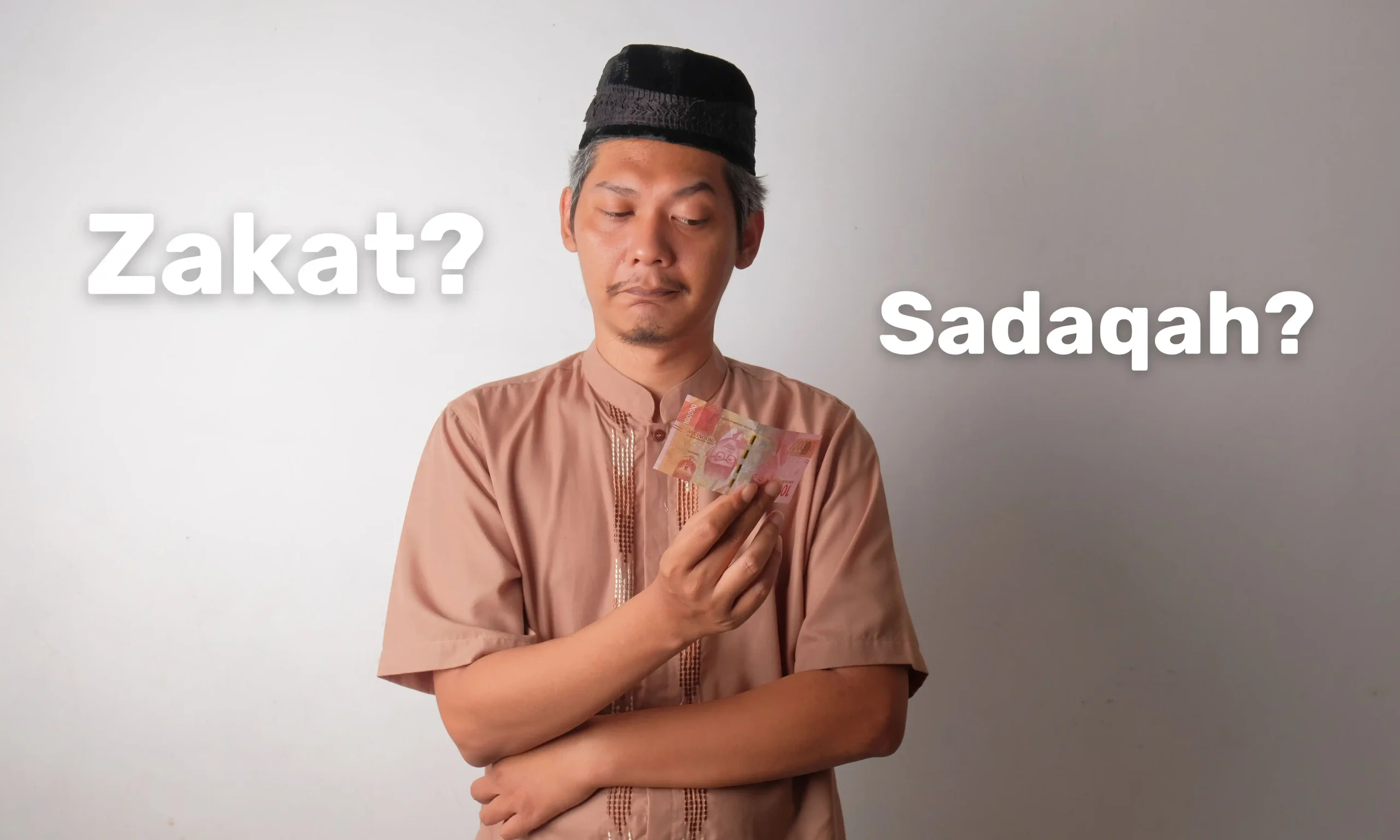
Should You Give Zakat or Sadaqah During Ramadan?
This is one of the issues that Muslims struggle with: do you pay Zakat or Sadaqah first in Ramadan? Which one comes as a priority?
If Zakat is due and you are eligible to pay it (see conditions as mentioned earlier), Zakat must come first. This is because it is considered a religious obligation commanded by Allah Almighty, and the failure to fulfil this will result in sin.
Sadaqah, on the other hand, is a voluntary charity. It can be given at any time during Ramadan or outside of it, and there is no minimum amount or specific condition attached to it. If you are able to give both, that is wonderful. However, Zakat should always be fulfilled first before increasing voluntary charity.
Common Scenarios Explained
-
- “I don’t meet the nisab.”
If your wealth does not reach the nisab threshold or has not been in your possession for one lunar year, then Zakat is not obligatory for you. In this case, giving Sadaqah, especially in Ramadan, is highly encouraged and greatly rewarded. - “I already paid Zakat earlier.”
If you have already fulfilled your Zakat obligation for the year, then any additional giving in Ramadan is counted as Sadaqah. This is a beautiful way to increase rewards and support those in need during this blessed month. - “Can I give Zakat in installments?”
Yes, many scholars allow Zakat to be paid in installments, provided the full amount is paid within the Zakat year and the recipients are eligible. This can be helpful for those who want to manage their finances while still fulfilling their obligation on time. - “Can I do Zakat online?”
- “I don’t meet the nisab.”
Yes, you absolutely can. Many countries have made Zakat online available, so browse through banks and trusted authorities that offer such services.
In short, Zakat is a duty, Sadaqah is a gift. Both are beloved acts of worship, but when Zakat is due, it must always come first.

Can Zakat Be Given as Sadaqah?
Simply put, Zakat is one of the pillars of Islam that needs to be fulfilled, and Sadaqah is a voluntary act of charity. Zakat must meet its conditions of reaching the nisab threshold and has been in your possession for one lunar year. Otherwise, it doesn’t count as Zakat.
It is important to note that Sadaqah does not replace Zakat, and if it is given as such, you will have to contribute Zakat again if you haven’t done it yet. Intention matters so rectify your intentions accordingly.

How to Maximise Your Charity in Ramadan
Ramadan is a limited window of immense reward, so how can you make the most of your giving during this blessed month? Here are practical and meaningful ways to maximise your charity and its impact.
- Automate Your Daily Sadaqah
Consistency matters. Setting up an automated daily Sadaqah, even a small amount, allows you to earn rewards every single day of Ramadan without forgetting. - Give During the Last 10 Nights
The final ten nights of Ramadan include Laylatul Qadr, a night better than a thousand months. Giving charity during these nights means your donation could be rewarded as though you gave for over 83 years. - Support Verified and Impactful Causes
Supporting trusted and transparent initiatives means your contribution has real, immediate impact, especially during Ramadan when families struggle to afford food for suhoor and iftar. Our Ramadan Charity Basket Campaign provides essential food items to needy families, helping them observe Ramadan with dignity and ease. - Combine Zakat and Sadaqah for Greater Impact
If your Zakat is due, fulfill it first, then enhance your giving with Sadaqah. Zakat meets obligatory needs, while Sadaqah allows you to go beyond, supporting more families and amplifying your reward.
You can support through our Ramadan Charity Basket Campaign, ensuring your wealth purifies you while feeding those in need.

Take Action Today
Don’t wait until the end of Ramadan. Start now by giving what you can, as often as you can.Support our Ramadan Charity Basket Campaign and help provide essential food supplies to families in need this Ramadan. Your generosity could be the reason someone breaks their fast with relief and gratitude.
Frequently Asked Questions (FAQ)
Is Zakat more important than Sadaqah?
Yes. Zakat is more important in terms of obligation because it is a compulsory act of worship and one of the Five Pillars of Islam. Sadaqah is voluntary and highly encouraged, but it does not replace Zakat when Zakat is due.
Can I give Sadaqah instead of Zakat?
No. Sadaqah cannot replace Zakat. If Zakat is obligatory upon you, it must be paid specifically with the intention of Zakat. Giving only Sadaqah while neglecting Zakat does not fulfil the obligation and may result in sin.
Is Zakat accepted during Ramadan?
Yes, absolutely. Zakat is valid and accepted at any time of the year, including Ramadan. Many Muslims choose to pay Zakat in Ramadan because of the multiplied rewards, but the obligation itself is not limited to this month.
Can I make intention for both Zakat and Sadaqah?
No. One payment can only have one primary intention. Zakat must be given with a clear intention of Zakat. However, you may give separate amounts, one as Zakat and another as Sadaqah.
What are the conditions of Zakat?
Zakat becomes obligatory if: you are Muslim, you own wealth above the nisab threshold, that wealth has been in your possession for one lunar year (haul) and the wealth is zakatable (cash, savings, gold, investments, etc.).
How do I apply for Zakat?
If you are in need or know someone eligible, you may apply through verified Zakat distributors or charitable organisations in your country.
Conclusion
Understanding the difference between Zakat and Sadaqah helps us give correctly and sincerely. Zakat is an obligation that purifies our wealth and fulfils a right owed to those in need, while Sadaqah is a voluntary act of compassion that allows us to give beyond what is required.
Both are powerful forms of worship—especially in Ramadan, when rewards are multiplied and needs are greater. By prioritising Zakat when it is due and increasing Sadaqah whenever we can, we turn our charity into a source of lasting barakah.
Give with purpose this Ramadan. Support our Ramadan Charity Campaign and help provide essential food baskets to families in need, so they can break their fast with dignity and ease.