

Introduction
Parenting in Islam is one of the most profound responsibilities a Muslim parent can carry.
For parents in Singapore, it comes with a unique weight: raising children who are grounded, confident and rooted Muslims who love Allah Almighty and embody the character of the Prophet ﷺ.
In a fast-paced, pluralistic society like Singapore, that balance can feel a bit challenging. Not difficult, but something that needs to be navigated.
Between school, CCAs, screen time, and the relentless pace of city life, many parents find themselves asking: Am I raising a child who knows their faith? Do I even know enough to teach them?
This guide is for you. Whether you’re a new parent searching for a framework, or a seasoned one looking to reconnect with intention, we’ve brought together Islamic parenting principles from the Quran and Sunnah, practical do’s and don’ts, age-specific milestones, and actionable habits that fit into the reality of Singaporean family life.
What Is Parenting? (And Why the Islamic Definition Changes Everything)
At its most basic, parenting is an arduous journey of raising and nurturing a child. Their role is pivotal to provide for their physical needs, guiding their emotional development, and preparing them for adult life.
Success in parenting is often measured by outcomes: academic results, social skills, career prospects, emotional resilience. These are not secondary, but they are incomplete.
Islamic parenting adds a vertical dimension. Besides the aforementioned elements, successful parenting is also about returning to Allah Almighty a soul that was entrusted to you. The Prophet ﷺ said:
“Every one of you is a shepherd and is responsible for his flock.” (Bukhari & Muslim)
What does the shepherd in this hadith mean? Literally, it is one who feeds and guides the flock. He protects it from harm, guides it toward good pasture, and accounts for every soul in his care.
In Islamic parenting terms, a child is not a blank slate to be shaped purely by the parent’s preferences or societal pressures. Every child arrives with a fitrah or an innate disposition toward goodness, truth, and the recognition of Allah Almighty.
The parent’s role is to nurture that fitrah, protect it from corruption and ignorance, and help it flourish so that they grow to benefit not only themselves but the society.
Islamic Parenting vs. Conventional Parenting: What’s the Difference?
| Conventional Parenting | Islamic Parenting | |
| Ultimate Goal | Happy, successful child | A child who returns to Allah Almighty in a good state |
| Moral Framework | Social norms, personal values | Quran, Sunnah, and Islamic ethics |
| Discipline | Varies by approach (authoritative, permissive, etc.) | Firm, fair, and mercy-led — modelled on the Prophet ﷺ |
| Identity | Defined by culture, career, achievements, happiness | Rooted in Islam first; culture is secondary |
| Role of the Parent | Caregiver and guide | Amanah (trustee) before Allah |
| View of the Child | Individual to develop | A soul with fitrah to nurture |
This doesn’t mean Islamic parenting ignores the wisdom in modern psychology. It is quite the opposite. Secure attachment, emotional attunement, and consistent boundaries are all deeply aligned with prophetic practice.
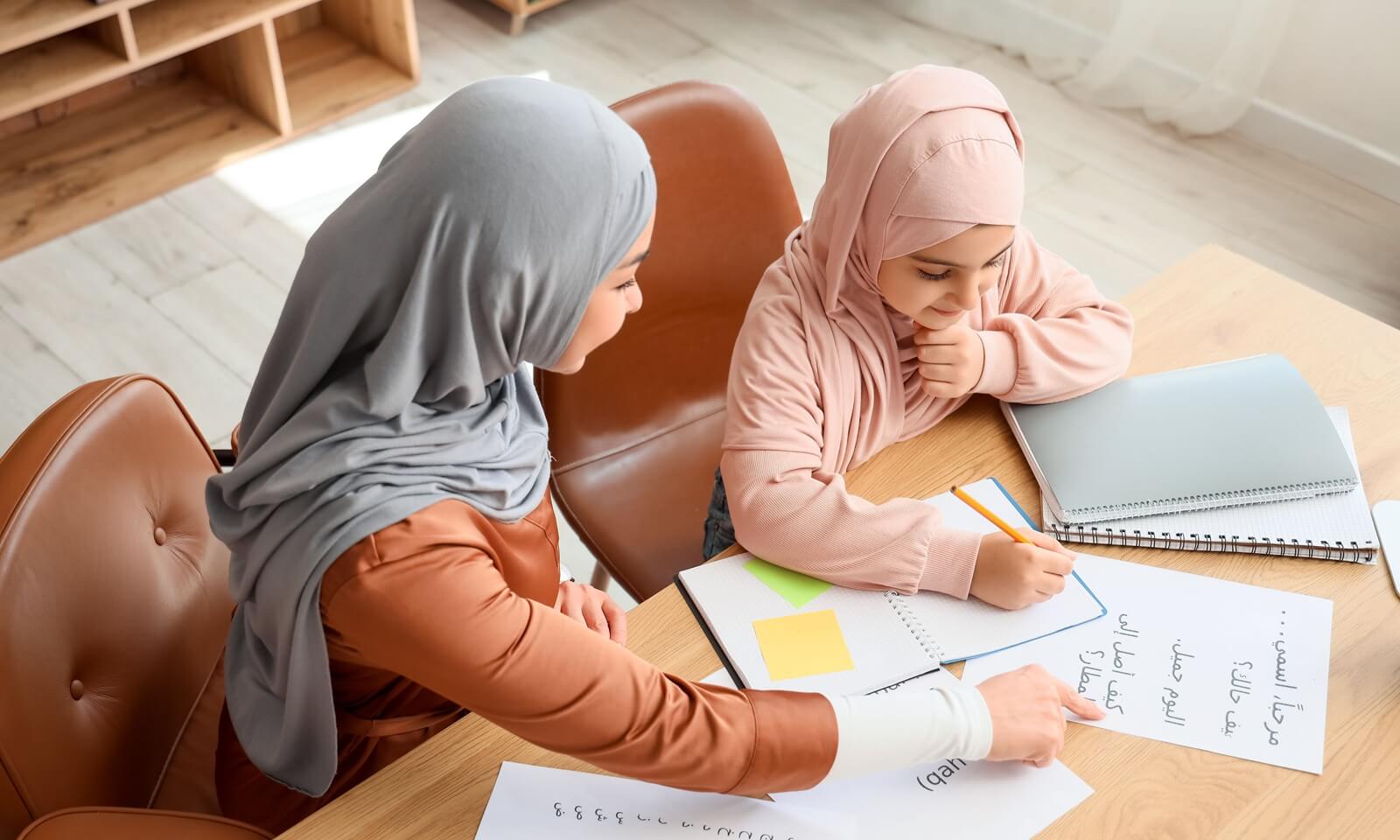
Islamic Parenting According to the Quran and Sunnah
From the Quran
- Begin with Tawhid — Instil the Oneness of Allah Almighty
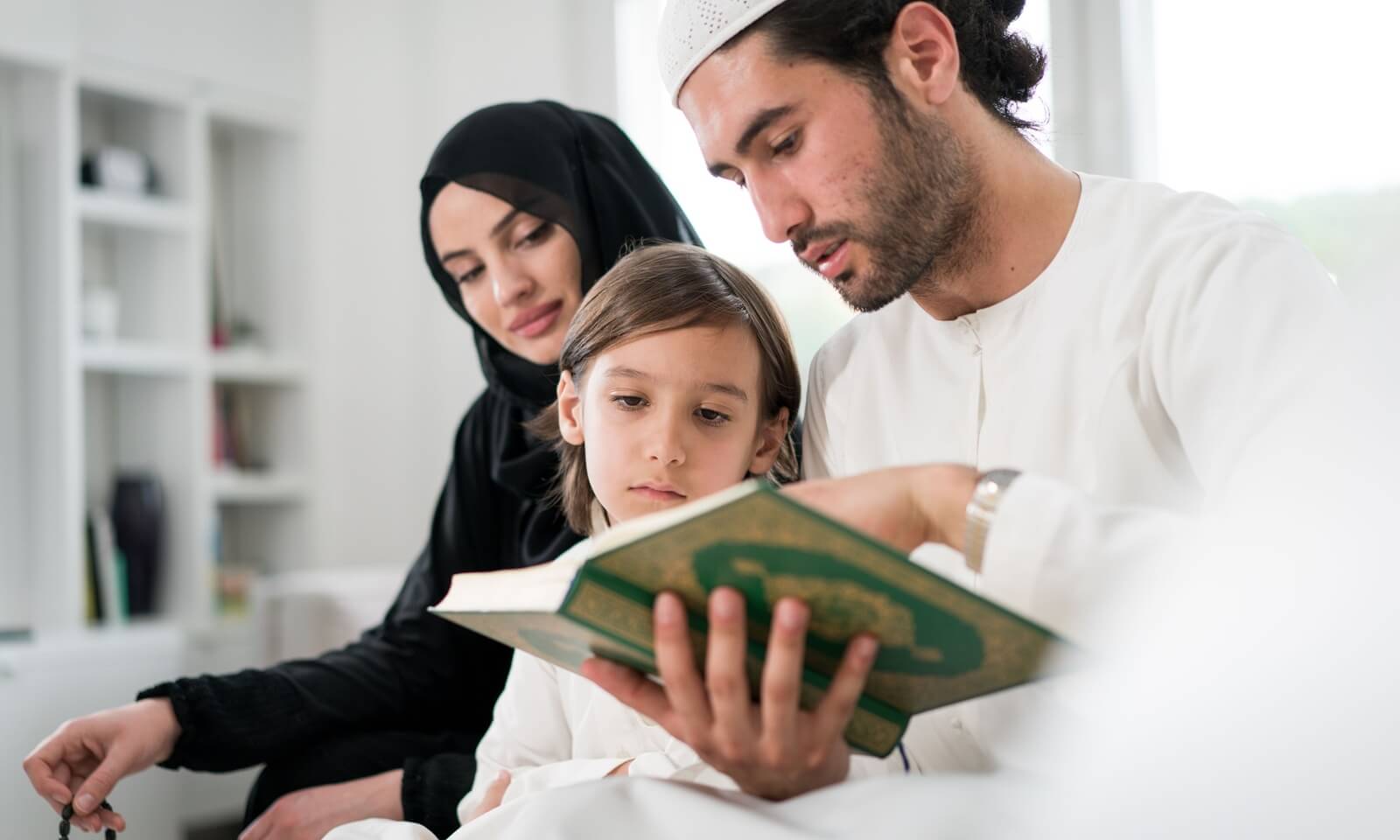
The most famous parenting narrative in the Quran is that of Luqman al-Hakim and his son. Allah Almighty preserves this conversation across several ayat in Surah Luqman (31:13–19) as a model for all Muslim parents.
What was Luqman’s first words to his son?
“Luqman counselled his son, ‘My son, do not attribute any partners to God: attributing partners to Him is a terrible wrong.” (31:13)
The foundation is Tawhid. Everything else like character, worship, relationships, ethics is built based on this strong foundation.
- Honour the Rights of Children
The Quran commands parents to care for their children and not harm them out of poverty or circumstance (2:233). It also warns against preferring some children over others without just cause. A reminder that fairness within the family is itself an act of ibadah.
- Make Du’a for Your Children
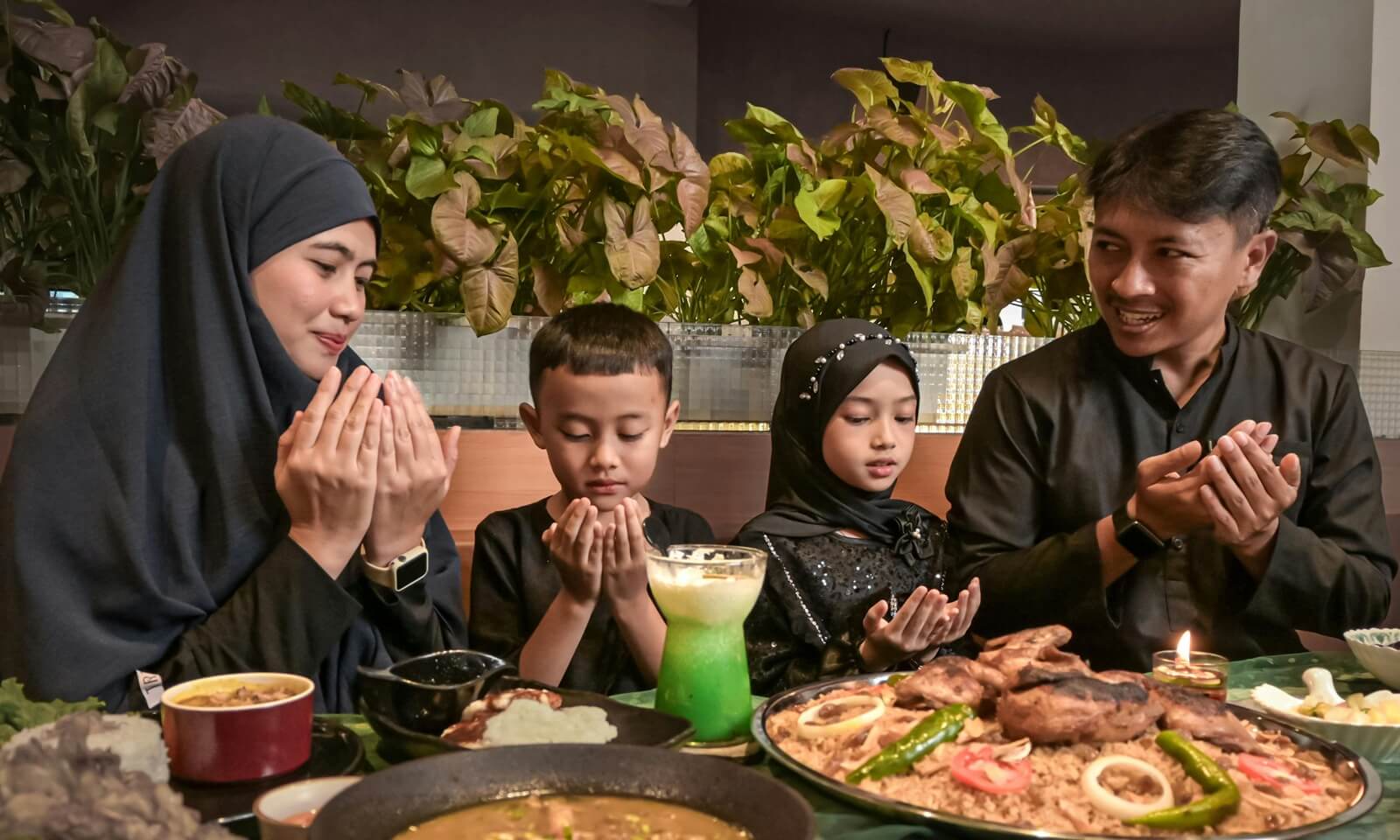
The Quran records the du’a of the righteous:
“those who pray, ‘Our Lord, give us joy in our spouses and offspring. Make us good examples to those who are aware of You.” (25:74)
A du’a like this is an acknowledgement that hidayah belongs to Allah Almighty, and that the most powerful thing a parent can do is make du’a for their child, consistently, with sincerity.
From the Sunnah
- The Prophet ﷺ Was Tender with Children
The Sunnah is replete with examples of the Prophet ﷺ showing physical affection, playing with children, and taking their emotions seriously.
He carried Umamah bint Zaynab (ra) during prayer. He let Hasan and Husain (ra) climb on his back during prostration. He would shorten his sujud if he heard a child crying.
This is not being spoiled or too gentle. It is a deliberate modelling of how to value and dignify a child. Through portrayal of love and mercy.
- Teach Before You Demand
The Prophet ﷺ said: “Command your children to pray when they are seven years old, and discipline them for it when they are ten.” (Riyadh As-Salihin)
Notice the sequence: three full years of gentle encouragement before any form of disciplinary consequence. Islam does not demand compliance without first building understanding.
- Call Them by Loving Names
The Prophet ﷺ consistently used affectionate nicknames for children. He called Abdullah ibn Abbas “O young man (ya ghulam),” and followed it with wisdom and du’a. The emotional environment in which a child receives guidance determines how deeply it takes root.

The Islamic Parenting Lifecycle: What to Focus on at Each Stage
The Sunnah gives us a remarkably precise roadmap for parenting by age. It is one that modern developmental psychology has largely confirmed.
Before Birth: The Spiritual Foundation
Islamic parenting begins when the child is still in the womb. Reciting Surah Al-Fatihah, making du’a for a righteous child, and for expecting parents, reflecting on the intention behind raising this child: these are the foundations.
The hadith recommends reciting the du’a before intimacy:
اللَّهُمَّ جَنِّبْنَا الشَّيْطَانَ، وَجَنِّبِ الشَّيْطَانَ مَا رَزَقْتَنَا
“Allahumma jannibna al-shaytana wa jannib al-shaytana ma razaqtana”
This is an essential du’a asking Allah Almighty to protect the child from Shaytan from the very moment of conception.
Birth to Age 7: The Age of Nurture
This stage is about immersion and emotional presence. Children absorb before they understand, so the goal is not lessons but the quality control of the environment.
Key practices:
- Recite the Adhan in the right ear and Iqamah in the left at birth
- Perform the aqiqah. It is a Sunnah act of gratitude and welcome
- Choose a meaningful, beautiful name
- Read Quran aloud in the home daily
- Demonstrate salah visibly and let them see you pray
- Tell stories of the Prophets ﷺ and sahabah at bedtime
- Express love physically and verbally. The Prophet ﷺ kissed his grandchildren
Ages 7–10: The Age of Habit
At seven, the Prophet ﷺ instructed parents to begin commanding their children to pray. This is the stage where habit formation begins.
Key practices:
- Teach the proper method of salah, step by step
- Begin teaching selected Quran surahs and their meanings
- Introduce fasting for part of the day on some days of Ramadan (not obligatory, but to build familiarity)
- Teach Islamic manners: greeting with salam, eating with the right hand, respecting elders
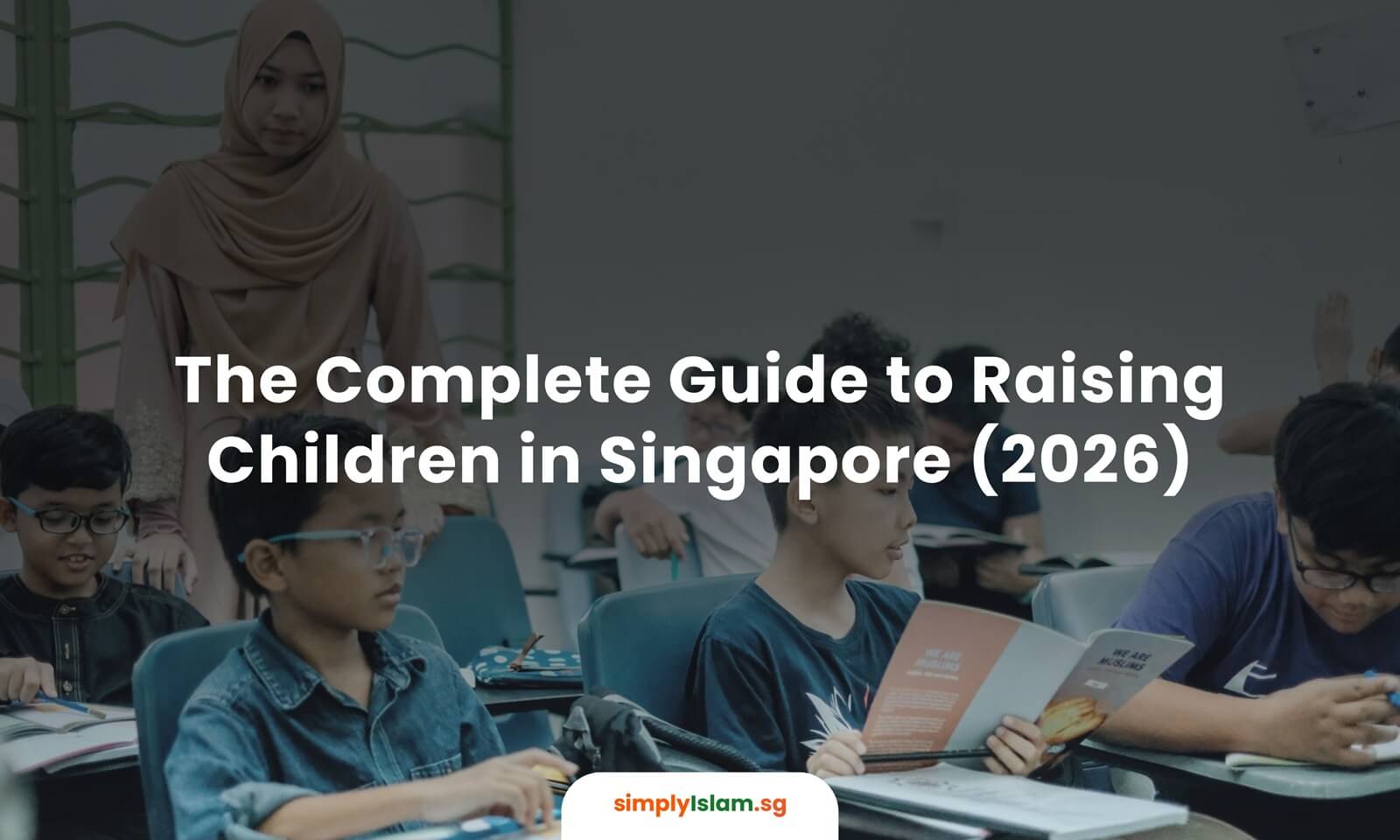
- Enrol in structured Islamic education like a weekend madrasah, Quran classes, or Islamic school in Singapore
Ages 10–14: The Age of Accountability
By ten, the Prophet ﷺ permits a measured form of discipline for neglecting salah. This isn’t harshness or abuse. It is recognition that the child is now being prepared for mukallaf status (moral accountability at puberty).
Key practices:
- Have honest conversations about puberty, responsibility, and what it means to be a Muslim adult
- Teach the pillars of Islam in depth. Not just the letter, but the spirit.
- Begin teaching Islamic ethics in social situations: friendships, opposite gender interactions, online behaviour
- Foster critical thinking within an Islamic framework. Help them understand why Islam says what it says
- Discuss current events through an Islamic lens
At this stage, teenagers need less lecturing and more conversation. The Prophet ﷺ engaged young companions as intellectual equals.
Ages 15 and Above: The Age of Companionship
The classical scholars noted that the parent-child relationship ideally transitions at this stage from authority-based to companionship-based. The child is now a young adult, mukallaf, accountable before Allah Almighty, capable of independent reasoning.
Key practices:
- Transition from giving commands to offering counsel
- Involve them in family decisions because their voice matters
- Model adult Muslim character: how you treat your spouse, how you conduct business, how you respond to hardship
- Give them increasing autonomy as this is how tawakkul and responsibility are internalized
- Continue to make du’a for them, even when they are finding their own way

The Do’s and Don’ts of Islamic Parenting
Do’s ✓
- Make Du’a for Your Children Consistently
The du’a of a parent for their child is among the most accepted du’as. Don’t wait for a crisis. Make it a daily practice to pray for their protection, well-being and righteousness.
- Teach by Example First
Children observe more than they listen. If you want a child who prays, let them see you pray with presence and patience.
- Create a Home Environment Rich in Islam
Quran on the radio. Islamic stories at bedtime. Salam at the door. The Prophet’s ﷺ name said with salawat. These small habits are building blocks to what it means to live as a Muslim.
- Show Affection Freely
The Prophet ﷺ said: “He who does not show mercy will not be shown mercy.” (Bukhari) He demonstrated this with children constantly. Affection is not indulgence, but emotional security that makes guidance receivable.
- Be Consistent
Children need predictability. Islamic values are best absorbed when they are practiced consistently, not just pulled out on Eid or when guests arrive.
- Acknowledge Their Emotions
The Prophet ﷺ never dismissed a child’s feelings. He listened, redirected, and responded with gentleness. Emotional attunement is a Sunnah.
- Seek Knowledge For Yourself
You cannot give what you don’t have. Investing in your own Islamic knowledge like attending online classes in Singapore, reading, listening to scholars, is a form of parenting.
Don’ts ✗
- Don’t Use Fear of Allah Almighty as a Weapon
Constantly threatening children with hellfire or Allah’s Wrath without balancing it with His Divine Mercy, Love, and Nearness can create religious trauma and hatred.
- Don’t Be Inconsistent
If salah is important on Fridays but skipped on weekdays, the message the child receives is that salah is negotiable.
- Don’t Compare Your Child to Others
“Why can’t you be more like your cousin?” is not Islamic motivation. It is a wound. Every child has a different fitrah, so honour theirs.
- Don’t Teach Without Context
Unless they are really young, explain the wisdom behind each action. “Because Allah said so” is a starting point, not an ending one. Children, especially teenagers, need to understand the wisdom behind Islamic practices to own them as adults.
- Don’t Shame Publicly
Correcting a child in front of others, especially their peers, is deeply damaging to their dignity and their openness to guidance. The Prophet ﷺ corrected gently and privately.

Is Tough Love Islamic?
The question of tough love in Islamic parenting is one of the most searched and debated questions among Muslim parents today, and it deserves a nuanced answer.
The short version: firmness is Islamic. Harshness is not.
Islam absolutely permits parents to set limits, enforce consequences, and hold their children accountable. The instruction to “discipline” for missing salah at ten years old (in the hadith of Abu Dawud) is real. The Prophet ﷺ himself modelled high expectations.
But the Islamic tradition is equally emphatic about how discipline is administered: without anger, without cruelty and without humiliation.
The Prophet ﷺ said: “Allah is gentle and loves gentleness in all matters.” (Bukhari)
True Islamic discipline comes from a secure relationship and trust. A child who obeys only because they are afraid will leave their deen the moment they leave the house.
But a child who internalises Islamic values because they were shown love alongside limits? That child carries Islam into the world.

10 Essential Habits for Muslim Parents in Singapore (2026)
You don’t need to be a scholar to raise a Muslim child with strong roots. You need intentionality and a handful of consistent habits, practiced daily.
1. Pray Where Your Children Can See You
Don’t hide your salah in the bedroom. Pray in the living room. Let your children see what salah looks like as a natural part of the day. A living act of connection with Allah Almighty.
2. Read Quran Together, Even Just a Few Verses
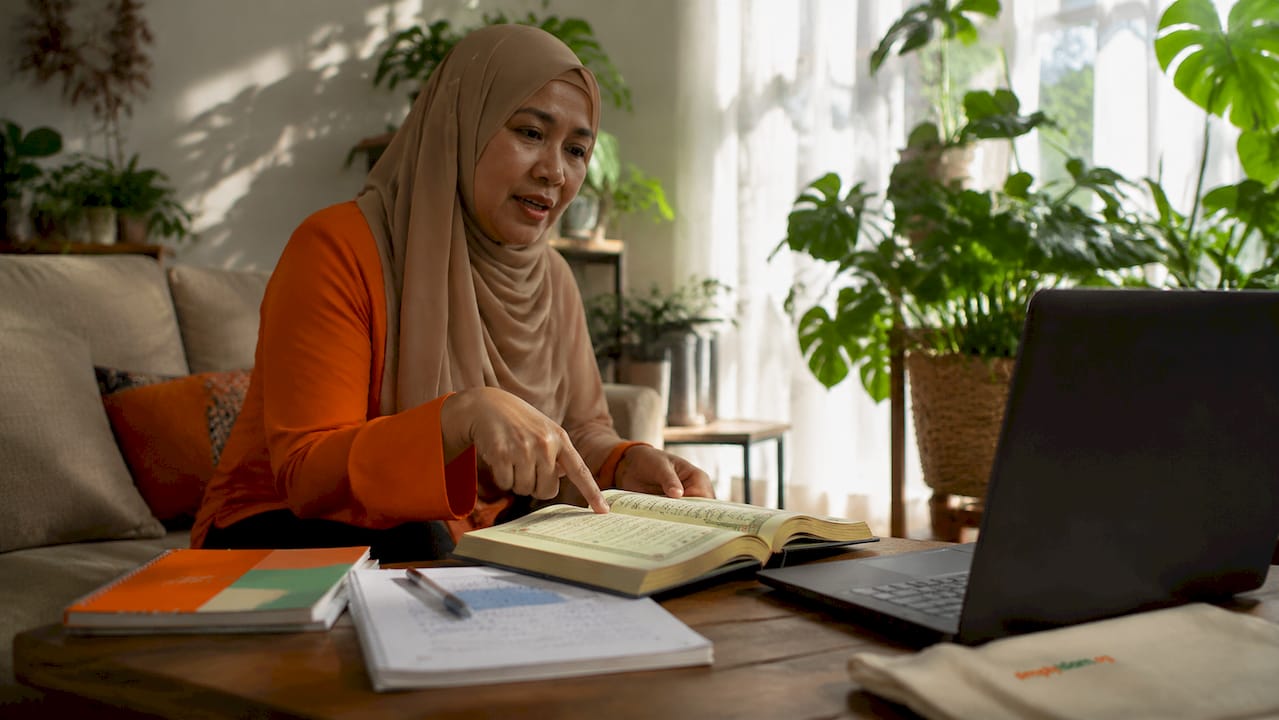
You don’t need to finish the Quran in a month. Even five minutes of Quran recitation together after Maghrib, consistently, builds a relationship with the Book of Allah that will outlast childhood.
3. Tell Stories of the Prophets and Sahabah at Bedtime
Children learn moral courage, resilience, and love of Allah Almighty through narrative and great story-telling, not lectures. The Sirah and stories of the Companions are among the most powerful educational tools a parent has, and they double as bedtime stories.
4. Teach Islamic Manners in Real Moments
Say Bismillah when you eat, and remind your children. Say Alhamdulillah when something good happens. Say Inna lillahi wa inna ilayhi raji’un when something is lost. These are worldviews, taught one moment at a time.
5. Make Du’a for Your Children Out Loud
When your child hears you making du’a for them by name, asking Allah Almighty for their health, their faith, their good character, it does something profound. It tells them they are loved enough to be placed before Allah Almighty.
6. Talk About Allah Almighty as Present, Not Distant
Avoid painting Allah Almighty only as the one who punishes. Speak of Allah’s Divine Nearness: “Allah Almighty is watching over you.” “Let’s ask Allah Almighty to help us.” “Alhamdulillah, that was from Allah.” This shapes a child’s emotional relationship with their Creator.
7. Be the Muslim You Want Them to Become
How you speak to your spouse, how you treat a struggling stranger, how you respond to loss, these are the real lessons. Children are always watching. Your character is your most powerful curriculum.
8. Limit and Curate Screen Time Actively
The world’s digital environment is saturated. YouTube, TikTok, gaming and many more that require constant active curation. An unmonitored screen is an open door to content that actively contradicts Islamic values and identity.
9. Invest in Structured Islamic Education
Here’s an honest truth: some Singaporean Muslim parents are products of secular schooling and feel genuinely under-equipped to teach their children Tajwid, Aqidah, Fiqh, or Islamic history.
You don’t have to be the expert. But you do have to find one.
Enrolling your child in a reputable Islamic school or weekend madrasah in Singapore means your child receives consistent, qualified, age-appropriate Islamic education from teachers trained for exactly this purpose.
It also builds community, something increasingly precious as children grow into teenagers navigating identity in a non-Muslim majority society.
SimplyIslam Weekend Madrasah offers Islamic education for children in a structured, nurturing environment, combining Quran, Islamic studies, and character development.
10. Revisit Your Own Niyyah Intention Regularly
Why are you raising this child? Pause and ask yourself this question every few months.
The Islamic intention is this: I am raising this child as an amanah from Allah. I am preparing a soul to return to Him.When that is your niyyah, even the hard moments become acts of worship.
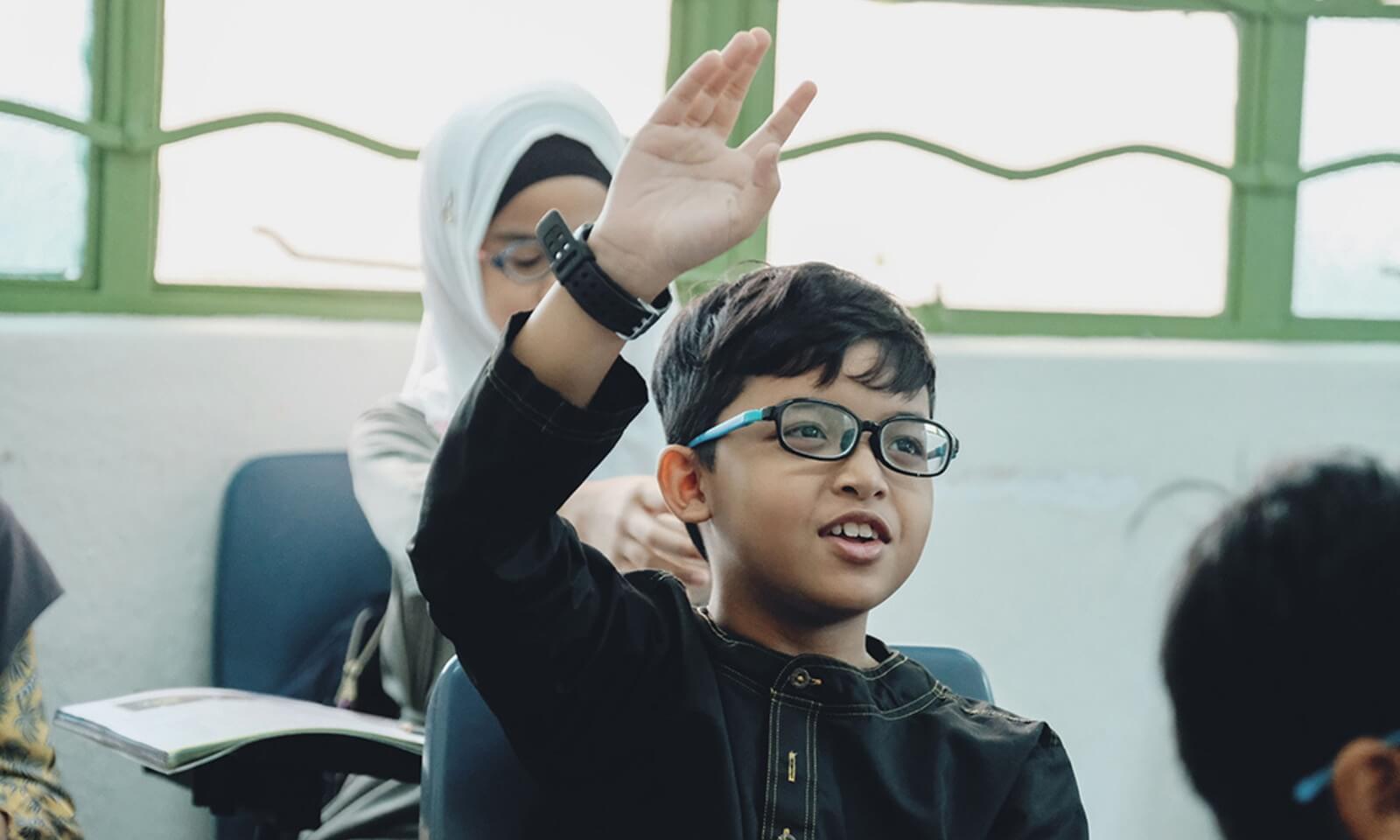
Is an Islamic School or Weekend Madrasah Right for Your Child?
If you’ve read this far, you’re already the kind of parent who takes their child’s Islamic upbringing seriously. And you’ve probably wondered: Am I doing enough?
The truth is that no matter how intentional you are at home, children need structured, peer-reinforced, qualified Islamic learning, especially in Singapore, where madrasah education isn’t the default.
Here’s when a weekend madrasah is particularly valuable:
- You don’t have the background to confidently teach Tajwid, Aqidah, or Islamic history yourself
- Your schedule is demanding and dedicated Islamic teaching time at home is inconsistent
- Your child is approaching their teens and needs to own their Islamic identity, not just receive it from you
- You want community and peers who share Islamic values, mentors who model Muslim adulthood
SimplyIslam’s Weekend Madrasah is designed for exactly this. With qualified Asatizah, a structured curriculum covering Quran, Islamic studies, and character development, and a warm community environment, it’s one of the most trusted Islamic schools for children in Singapore.
👉 Enrol Your Child in SimplyIslam Weekend Madrasah Today →
Conclusion
Raising a child in Islam is not a side project. It is one of the most consequential acts of worship you will ever undertake.
It will stretch you. It will expose your own gaps. It will call you to become better — more patient, more consistent, more prayerful — than you thought you could be.
But it will also be among the most beautiful things you ever do.
The Prophet ﷺ told us that when a person dies, their deeds cease — except three. One of them is a righteous child who makes du’a for them.
Every prayer your child makes because of how you raised them is sadaqah jariyah — continuous charity — flowing back to you long after you are gone.
So raise them well. Seek knowledge. Find support. Make du’a. And trust that Allah — who entrusted this child to you — will not abandon you in raising them.
Bismillah. Let’s begin.