Singapore’s Muslim community has access to a rich variety of Quran classes, from beginner letter recognition all the way through to full memorization programs. Whether you are a parent searching for your child’s first lesson, a working adult fitting study around Maghrib prayers, or a sister seeking a private online session, structured options exist for every stage of the learning journey.
Key learning options available locally include:
- Basic Quran reading covering Arabic letter recognition and pronunciation
- Tajweed classes teaching proper recitation rules and articulation points (makhraj)
- Talaqqi one-on-one sessions where a teacher monitors recitation directly
- Tahfiz programs focused on memorization and retention
- Online live classes with certified instructors for flexible, home-based learning
- Female-only classes with qualified female teachers for sisters and working women
- Group and individual tuition at mosques, learning centers, and digital platforms
Providers serving Singapore learners include Nadi Quranic Learning Centre, QuranReading.sg, and SimplyIslam, each offering distinct approaches suited to different learner profiles.
What types of Quran classes are available in Singapore?
Singapore’s Quran education scene is genuinely varied, and understanding each program type helps you choose wisely rather than simply picking the nearest option.
| Program | Focus | Best For |
|---|---|---|
| Basic Quran / School of Iqra | Letter recognition to full verse recitation using Iqra methodology | Complete beginners, young children |
| Tajweed | Recitation rules: makhraj, sifaat, waqf, ghunnah, mad | Learners who can read but want accuracy |
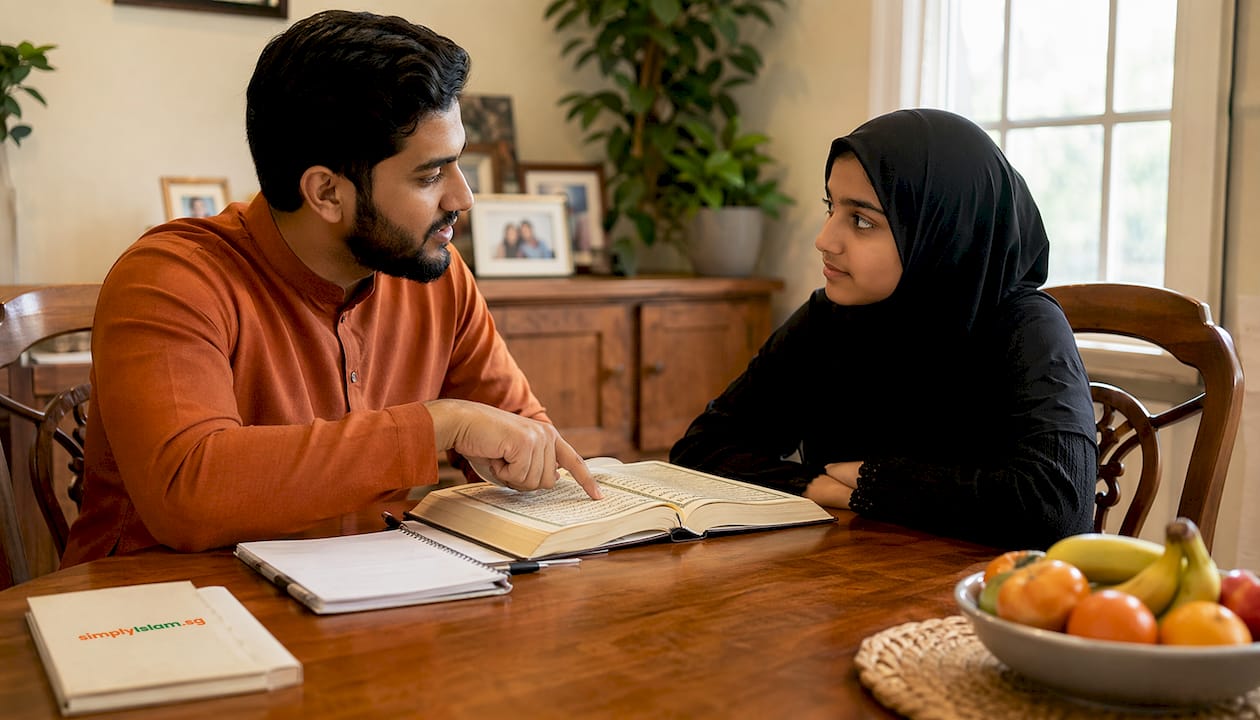
| Talaqqi | One-on-one recitation with direct teacher correction | Adults seeking personal guidance |
| Tahfiz | Structured memorization with revision schedules | Students committed to Hifz |
| Quranic Sciences | Advanced understanding of Quranic context and rules | Post-Tajweed learners |
The Iqra methodology is the most common entry point for beginners. Structured progression moves learners from recognizing individual Arabic letters through combining letters into words, then reading full Quranic verses with proper pronunciation. Tajweed builds on that foundation, introducing rules like tafkhim, tarqiq, and ghunnah that shape how each letter sounds in context. Tahfiz, by contrast, demands consistent daily revision and is best suited to learners who have already achieved fluent recitation.
Pro Tip: If your child or teen can already read basic Arabic but recites without rules, a Tajweed class rather than a beginner program will accelerate their progress far more effectively.
In-person vs. online: which learning format suits you?
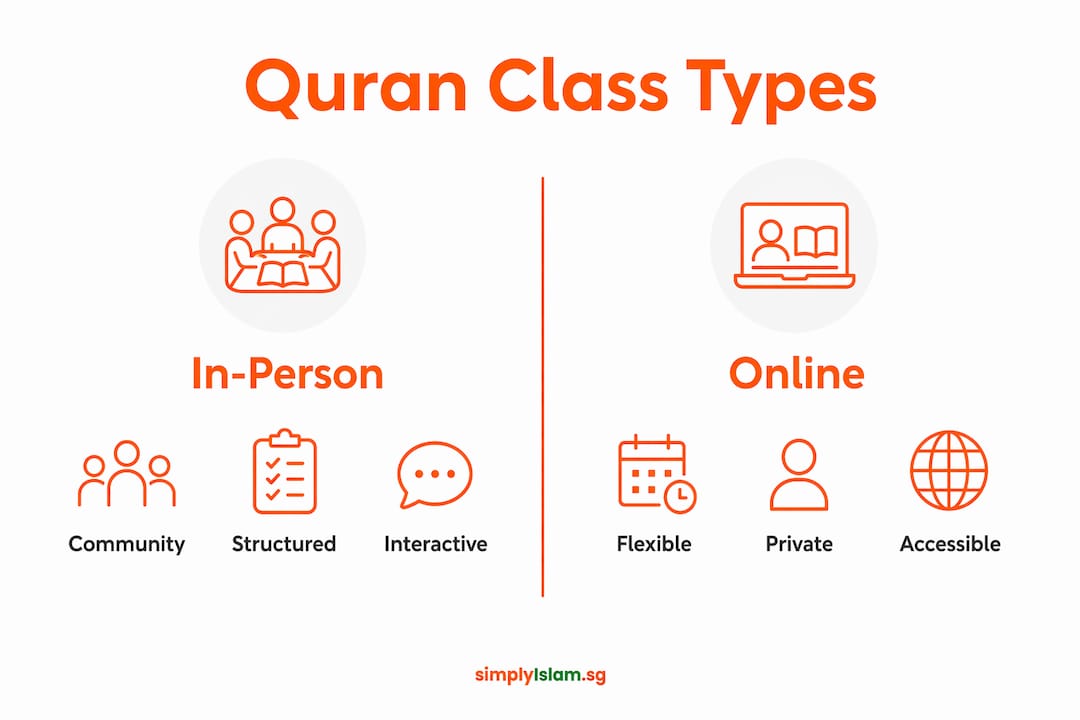
Both formats are genuinely available in Singapore, and the right choice depends on your schedule, comfort level, and learning goals.
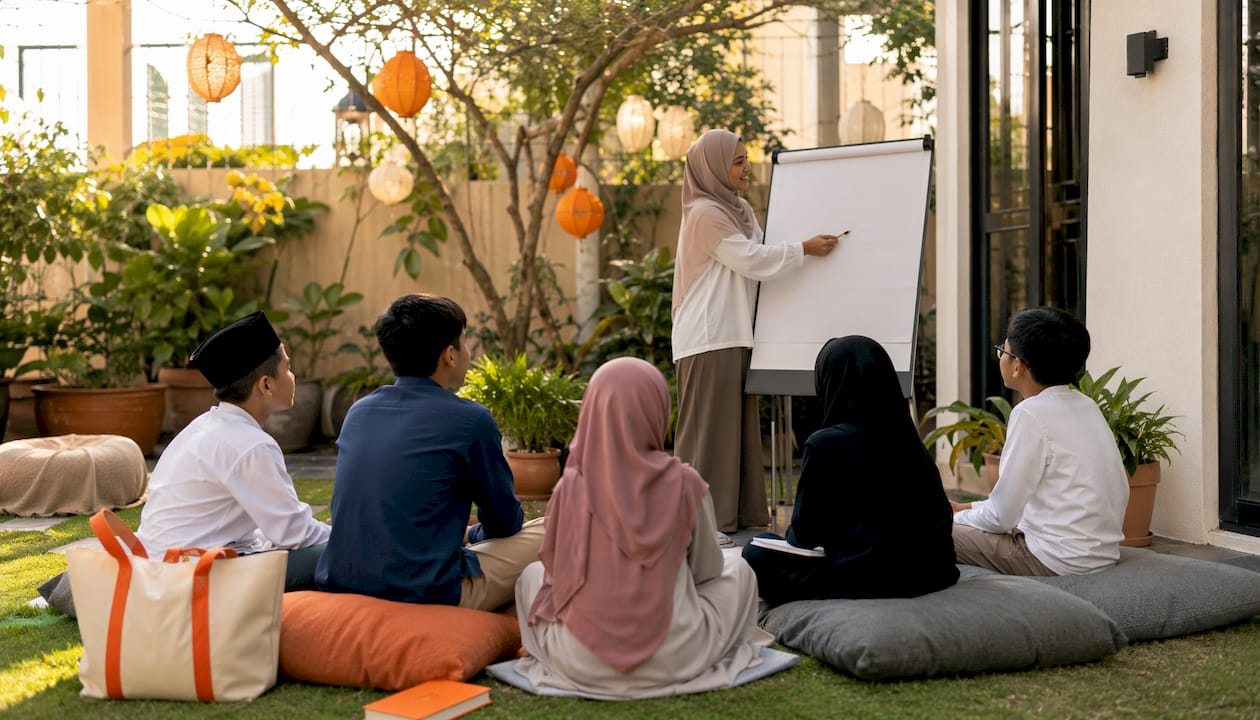
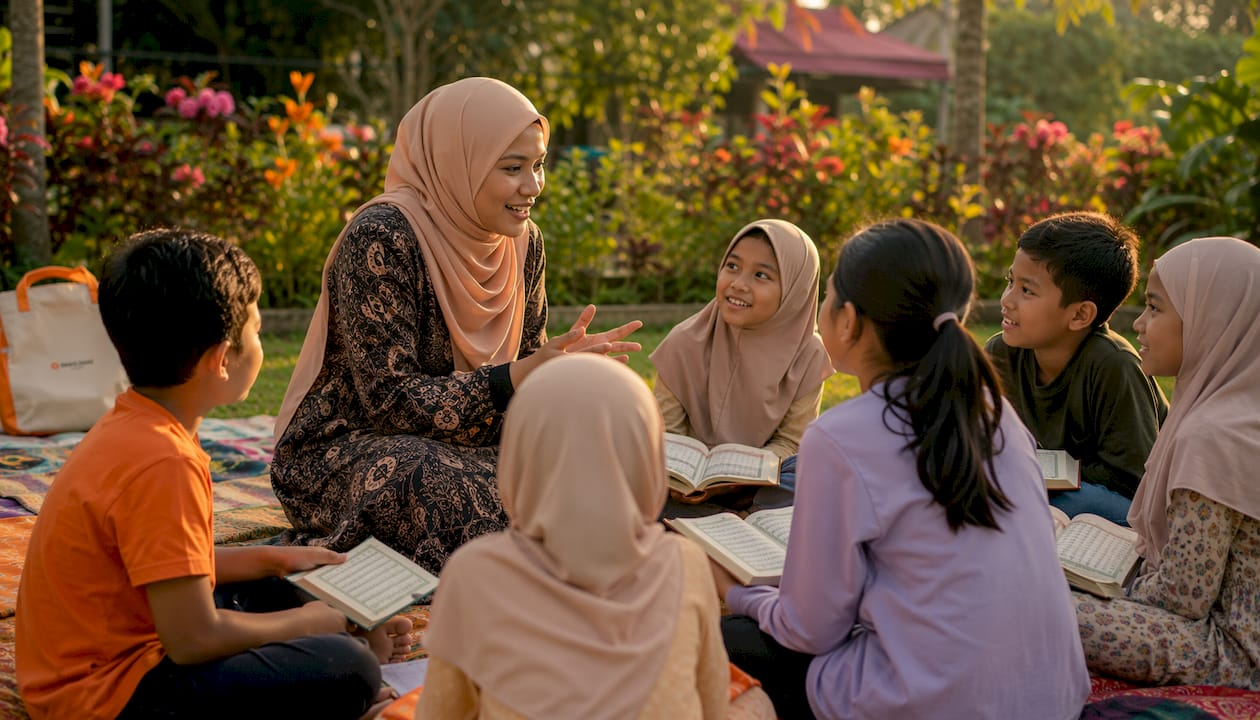
In-person classes at mosques like Masjid Assyakirin build community alongside Quranic knowledge. Students benefit from direct teacher correction, peer motivation, and the spiritual atmosphere of a mosque setting. Classes typically run in the evening after Maghrib prayers, making them accessible for schoolchildren and working adults without disrupting daytime commitments.
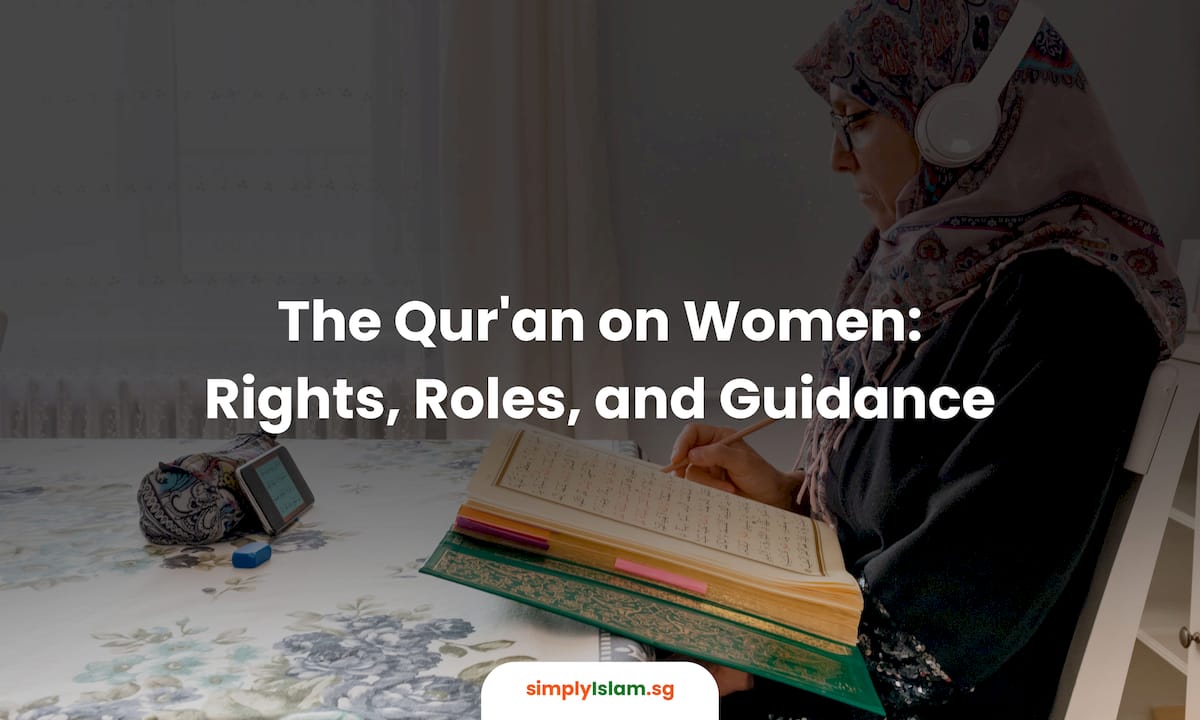
Online live classes offer privacy, flexibility, and access to specialized instructors regardless of location. For sisters in particular, female-only online classes with certified female teachers provide a comfortable, private environment that many women find easier to commit to long-term. One-on-one sessions allow the teacher to focus entirely on your recitation, catching errors that group settings sometimes miss.
Key considerations by format:
- In-person: stronger community ties, fixed schedule, mosque-based social support
- Online: flexible timing, gender-specific options, no commute required
- Hybrid: some centers offer both, allowing learners to switch based on weekly availability
For quran classes for women specifically, the online format has grown considerably. Certified female instructors who hold Ijazah qualifications now teach through structured four-stage learning paths, from Arabic literacy basics through to advanced Tajweed and Quranic sciences.
How to begin your Quran learning journey in Singapore
Starting is simpler than most people expect. The practical steps below apply whether you are enrolling a five-year-old or signing up yourself as an adult learner.
- Assess your current level honestly: complete beginner, can read but lacks Tajweed, or already reciting fluently
- Choose your format based on schedule and comfort: in-person mosque class, online live session, or one-on-one tuition
- Research instructor qualifications: look for MUIS-recognized asatizah or ARS-certified teachers
- Understand the fee structure before registering to avoid surprises
- Register early: mosque programs often have limited group sizes, typically around six students per class
On fees, mosque-based programs in Singapore follow a tiered structure. Typical children’s classes cost about SGD 40–60 per month plus a SGD 25 annual supplementary fee and a one-time SGD 20 registration fee for new students. Adult classes are usually around SGD 50 per month, and one-on-one Quran clinic sessions for adults are offered at about SGD 60 for every five sessions, with a SGD 15 registration fee. Scheduling typically falls on weekday evenings after Maghrib or on weekends, aligning with community availability across Singapore’s working families.
How SimplyIslam approaches Quran education in Singapore
SimplyIslam takes a different path from traditional mosque-based programs. Rather than rote memorization, the platform centers on interactive, practical learning guided by ARS-certified instructors who hold recognized qualifications including the Al-Mishkat Certificate.
SimplyIslam has reached over 22,000 participants and raised more than $1.1 million for charity, reflecting the depth of trust the Singapore Muslim community has placed in its programs.
The platform serves busy families, children, and working adults through online flexibility, removing the barrier of fixed physical attendance. Programs span Quranic studies, Islamic courses, community events, and charity initiatives, creating a learning environment that extends well beyond recitation practice. For adults balancing careers and family, SimplyIslam’s evening classes for professionals offer a structured path that fits around real-life demands. Parents exploring options for their children can also find guidance on Islamic courses for kids across different age groups and learning stages.
What the learning environment looks like at Quran centers
Physical Quran centers in Singapore generally maintain small group sizes, often capped at six students per class, so each learner receives meaningful attention from the teacher. Mosque-based settings carry an added layer of spiritual atmosphere that many students find motivating, particularly for children who benefit from seeing Quran learning as part of a larger community practice.
Online learning environments, when well-structured, replicate much of that personal attention through one-on-one video sessions. Reputable platforms provide supporting materials including recordings and revision guides, and some offer WhatsApp-based support between sessions for quick clarification.
What students say about Quran classes in Singapore
Feedback from learners across Singapore’s Quran programs consistently highlights two themes: the quality of teacher guidance and the importance of a comfortable, judgment-free environment. Students in mosque-based group classes often cite the peer community as a motivating factor, particularly for children who attend alongside friends. Adult learners, especially those returning to Quran study after a long gap, tend to value the patience and personalized correction that one-on-one formats provide.
For sisters, the availability of qualified female teachers has been a deciding factor. The ability to learn privately, without mixed-gender interaction, makes it far easier for working women and mothers to commit consistently to their studies.
Key Takeaways
Singapore’s Quran classes span four core program types and two main delivery formats, with fees and schedules designed to fit families, children, and working adults alike.
| Point | Details |
|---|---|
| Four core program types | Basic Quran, Tajweed, Talaqqi, and Tahfiz each serve a distinct stage of learning. |
| Structured fee tiers | Mosque programs typically charge SGD 40–60 per month plus annual and registration fees. |
| Online options for women | Certified female instructors offer private, flexible sessions suited to sisters and working mothers. |
| SimplyIslam’s reach | SimplyIslam has demonstrated significant community engagement and charitable contributions, reflecting trust in its programs. |
| Start with a level assessment | Matching your current proficiency to the right program type prevents frustration and accelerates progress. |