The school holidays in Singapore are often long and for some parents, it might feel such a relief to take a break from their children’s daily strenuous schedules.
But what about for some of us parents who have NOTHING planned for the holidays? It’s been only the second day of holiday and the thrill of no school has already worn off.
The iPad has been confiscated twice. You’ve heard the words “Mama, I’m bored” more times than you care to count, and the holidays have even barely begun.
If this sounds familiar, you’re not alone. Every parent goes through it. The truth is, boredom itself isn’t the problem. It’s what fills the boredom that matters.

Problem #1: The Holiday Brain Drain
Here’s what the research tells us:
Studies show children can lose the equivalent of two months of learning during long school breaks — with greater declines in maths than reading. (Source: EBSCO Research / National Center for Education Statistics)
It’s called the “holiday brain drain”, and it’s real. The longer we leave our children unmonitored, disengaged and completely swept up in their doom scrolling phase, the more ‘drained’ they become.
However, the solution to this problem isn’t to turn the holidays into a second school term. It’s about keeping their minds and hearts meaningfully engaged, without it feeling like work.
Problem #2: The Lack of Physical Space at Home
There’s another challenge unique to many families here in Singapore.
Actual physical space.
Most of us are raising children in HDB flats and condominiums, and that’s something to be proud of. We’ve built comfortable, loving homes in one of the world’s most efficient cities.
However, the reality is that a 90 square metre apartment isn’t exactly built for a child who needs to run, build, sprawl, and explore.
Research from the University of Melbourne found that children who have access to more physical space at home demonstrate stronger cognitive development, better emotional regulation, and greater creativity. Space, it turns out, is a developmental need.
So, how do we overcome this? The answer isn’t to move out.
It’s to be intentional about getting our kids out into parks, playgrounds, open corridors, void decks, and community spaces that Singapore actually has in abundance, if we look for them.
On the days they’re home, it’s about giving them activities that stretch their minds even when the physical space is limited.
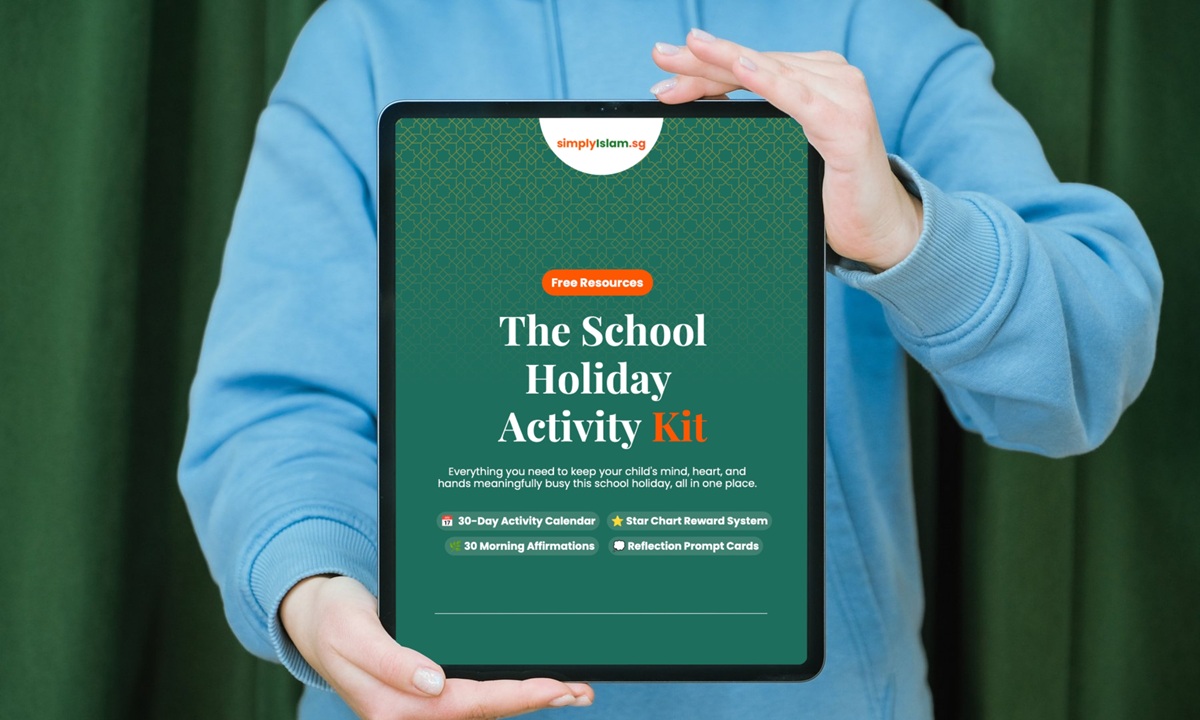
Which brings us to the 30-day-plan for your child to thrive this school holiday. In this article, we provide you a complete 30-day activity guide with a star chart reward system, 30 morning affirmations, and reflection prompt cards for each activity.
Download the full Holiday Activity Kit here for free or explore our other free resources!

What Kids Actually Need During the Holidays
Not every hour needs to be scheduled. In fact, some unstructured downtime is healthy! It builds imagination and self-direction. But a complete absence of stimulation? That’s where the brain drain sets in.
Research points to three things kids need during a long break:
- Unstructured play
Builds creativity, imagination, and the ability to entertain themselves without external input or overwhelming stimulation.
- Physical activity
Regulates mood, energy, and focus, especially important when the school routine disappears. This is the best time to go outside to do some ‘grounding’.
- Purposeful learning
Keeps the brain engaged and curious. It doesn’t have to look like school. Art, cooking, reading, and building from scratch. It all counts.
The good news? You don’t have to figure this out alone. We’ve done the planning for you.
30 Holiday Activities for a Full Month of Holiday
The long school holidays in Singapore run for about a month long, so we put together one intentional activity for each day.
We’ve spread them across five categories, because a growing child needs more than one type of stimulation:
| 🟣 | Islamic & Spiritual | Deepening faith, Quran, du’a, and reflection |
| 🟡 | Creative & Arts | Painting, crafts, writing, calligraphy, and making |
| 🟢 | Outdoor & Active | Nature, movement, physical skills, and exploration |
| 🔵 | Cognitive | Problem-solving, strategy, design, and logic |
| 🟠 | Life Skills | Cooking, sewing, teaching others, and character |
Here are all 30 activities, one for each day:
| Day | Activity | Category |
| Day 1 | Paint rocks with patterns & hide them around the neighbourhood
|
🟡 Creative |
| Day 2 | Memorise a new du’a & learn its meaning
|
🟣 Islamic |
| Day 3 | Build an obstacle course in the garden (or at home!)
|
🟢 Outdoor |
| Day 4 | Try hand lettering or calligraphy with a brush pen
|
🟡 Creative |
| Day 5 | Solve a 100-piece puzzle
|
🔵 Cognitive |
| Day 6 | Cook a full meal from scratch (plan, shop, cook!)
|
🟠 Life Skills |
| Day 7 | Go on a nature scavenger hunt (collect & label what you find)
|
🟢 Outdoor |
| Day 8 | Read the tafsir of one ayah & journal your reflection
|
🟣 Islamic |
| Day 9 | Try watercolour painting (paint what you see outside your window)
|
🟡 Creative |
| Day 10 | Write & illustrate your own short comic strip
|
🟡 Creative |
| Day 11 | Learn to sew on a button or stitch a simple pattern
|
🟠 Life Skills |
| Day 12 | Play chess, Catan, or any strategy board game
|
🔵 Cognitive |
| Day 13 | Visit a park (sketch 3 things you observe)
|
🟢 Outdoor |
| Day 14 | Learn the 99 Names of Allah
|
🟣 Islamic |
| Day 15 | Try origami (attempt 3 different folds)
|
🟡 Creative |
| Day 16 | Design your dream home on paper (floor plan included)
|
🔵 Cognitive |
| Day 17 | Cycle, skate, or learn a new physical skill outside
|
🟢 Outdoor |
| Day 18 | Write a letter to your future self (seal & date it)
|
🟠 Life Skills |
| Day 19 | Watch an Islamic history documentary & write 5 facts
|
🟣 Islamic |
| Day 20 | Try a new craft (friendship bracelets, clay, or weaving)
|
🟡 Creative |
| Day 21 | Solve 15 logic puzzles or math challenges
|
🔵 Cognitive |
| Day 22 | Do a sunrise or sunset walk & make du’a outdoors
|
🟢 Outdoor |
| Day 23 | Teach a younger sibling or cousin one new skill
|
🟠 Life Skills |
| Day 24 | Create a vision board (cut, paste, colour it in)
|
🟡 Creative |
| Day 25 | Read a biography of a Muslim scholar or Sahabah
|
🟣 Islamic |
| Day 26 | Build something (with LEGO, cardboard, or wood scraps)
|
🔵 Cognitive |
| Day 27 | Plant something (a seed, herb, or small succulent)
|
🟢 Outdoor |
| Day 28 | Bake something you’ve never tried before
|
🟠 Life Skills |
| Day 29 | Design & colour your own Islamic geometric pattern
|
🟡 Creative |
| Day 30 | Reflect: Write 3 things you learned, made & felt this holiday
|
🟠 Life Skills |
💾 Free Download: Want a beautifully designed, printable version of this calendar? Complete with a star chart reward system, 30 morning affirmations, and reflection prompt cards for each activity? Download the full Holiday Activity Kit here for free or explore our other free resources at https://simplyislam.sg/free-islamic-resources/
It’s Not Just About Keeping Them Busy
Here’s the thing about long school holidays that we don’t talk about enough.
They’re not just a break from academics. They’re one of the few stretches in the year when kids have the time and space to discover who they actually are, what they care about, how they handle boredom and frustration, how they treat people when no one is marking them on it.
Academic skills matter, but so does character. And here’s the truth: character doesn’t get built in a classroom. It gets built in the small, ordinary moments that holidays are full of.
Is your child learning to be kind under pressure? To lead when it’s hard? To know what they stand for when no one is watching?
These are the questions worth asking this holiday.
Give Them a Foundation That Goes Beyond the Holidays
If you’ve found this resource helpful, it’s because you’re the kind of parent who thinks intentionally about how your child grows, not just academically, but spiritually and in character.
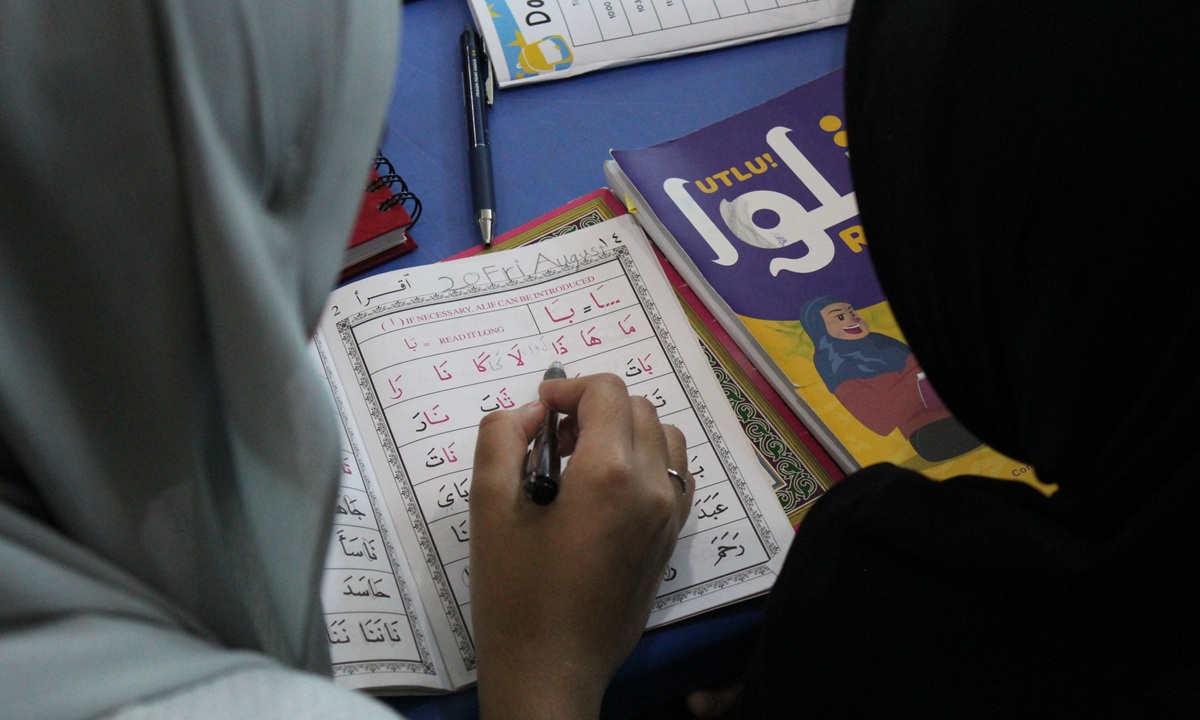
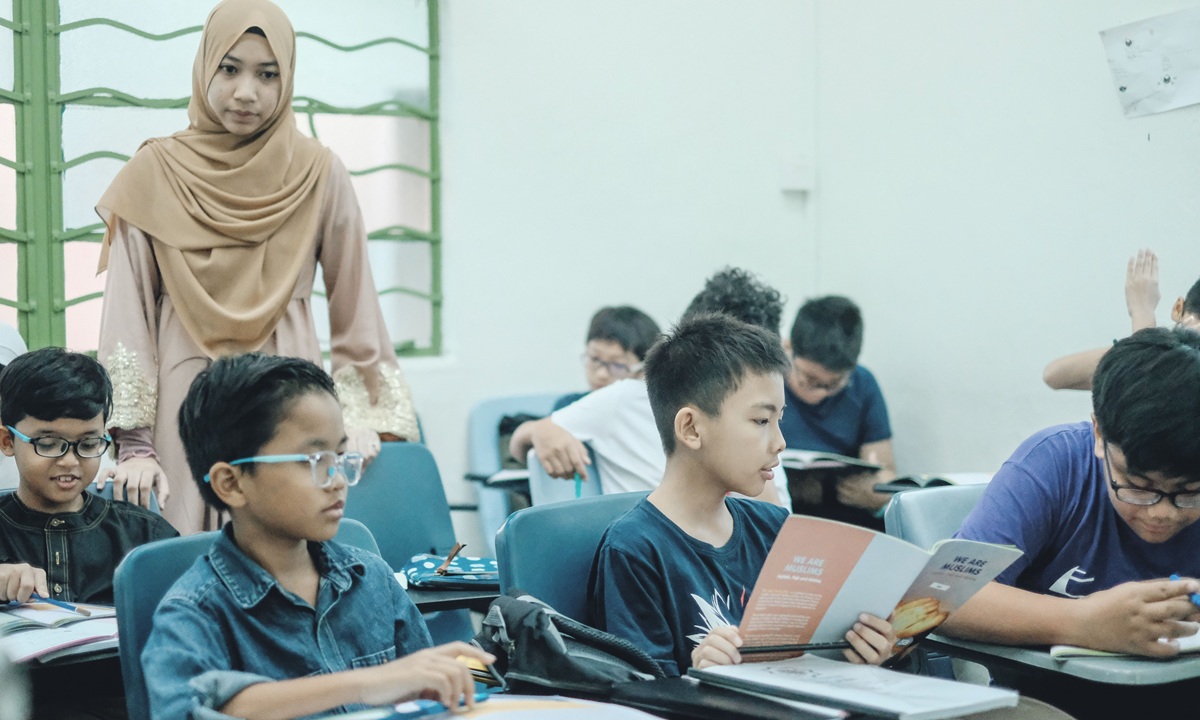
That’s exactly the kind of environment we’ve built at SimplyIslam’s Weekend Madrasah.
Our madrasah isn’t just about memorising du’as and Qur’anic verses, it’s about understanding, growing, and building a relationship with the deen that stays with them for life.
Classes are structured, it’s English-based, weekends-only classes to steer away from your child’s strenuous weekday schedules, and the community your child joins will become part of how they see themselves as young Muslims.
One good month is a wonderful start. A lifetime of learning is the goal.
Want structured Islamic learning beyond the holidays?
SimplyIslam’s weekend Madrasah gives your child consistent, guided Islamic education all year round, in a warm, structured environment built around their growth.
Find out more at simplyislam.sg