


Dealing with anger in Islam has been an open discussion amongst scholars and communities alike for the longest time. Even the Prophet Muhammad ﷺ mentioned about Islamic anger management issues and the importance of patience in Islam.
The issue of anger management in Islam is not new, and is widely recognised as a negative and despised trait despite it being commonplace amongst each and every one of us. The question arises then; how do we manage anger during critical moments in our lives?
Anger doesn’t just occur as a single short outburst, but it could also be resentment boiling up waiting for it to explode due to its unbearable pressure.
There are many circumstances in which anger comes about, and it is our responsibility to find practical solutions on how to control anger in Islam; either to either cope, manage or distract ourselves from the disastrous outcome; anger.
Hence, in this article, we will explore the following: the meaning of anger in Islam, Quranic verses and hadith on anger, du’as to reduce anger, rewards for controlling anger, disadvantages of anger and lastly, how to control anger in Islam.

What is Anger in Islam?
Anger in Islam is acknowledged as a natural human emotion that is well embedded in our human soul.
According to Imam al-Ghazzali’s Ihya’ ‘Ulum al-Din (Revival of the Religious Sciences), he discusses the diseases of the heart and purification of the soul. In the Ihya’, Imam All-Ghazzali explains that the human soul is governed by three core faculties:
Al-‘Aql (The Rational Faculty) – the intellect, which seeks truth and guidance.
Al-Shahwah (The Appetitive Faculty) – the desire, which pulls toward pleasures.
Al-Ghadab (The Irascible/Anger Faculty) – the force of anger, which pushes toward defense, repelling harm, and reacting to threats.
Anger in itself is not a completely harmful trait because it does bring benefit in some circumstances. For instance, feeling anger to protect one’s family or loved ones from harm. Another example is anger to advocate for a better cause.
However, in much smaller or trivial circumstances, anger must be controlled and channeled properly. Unchecked anger can lead to injustice, broken relationships, and sinful actions. The key in Islam is how one manages anger with patience.
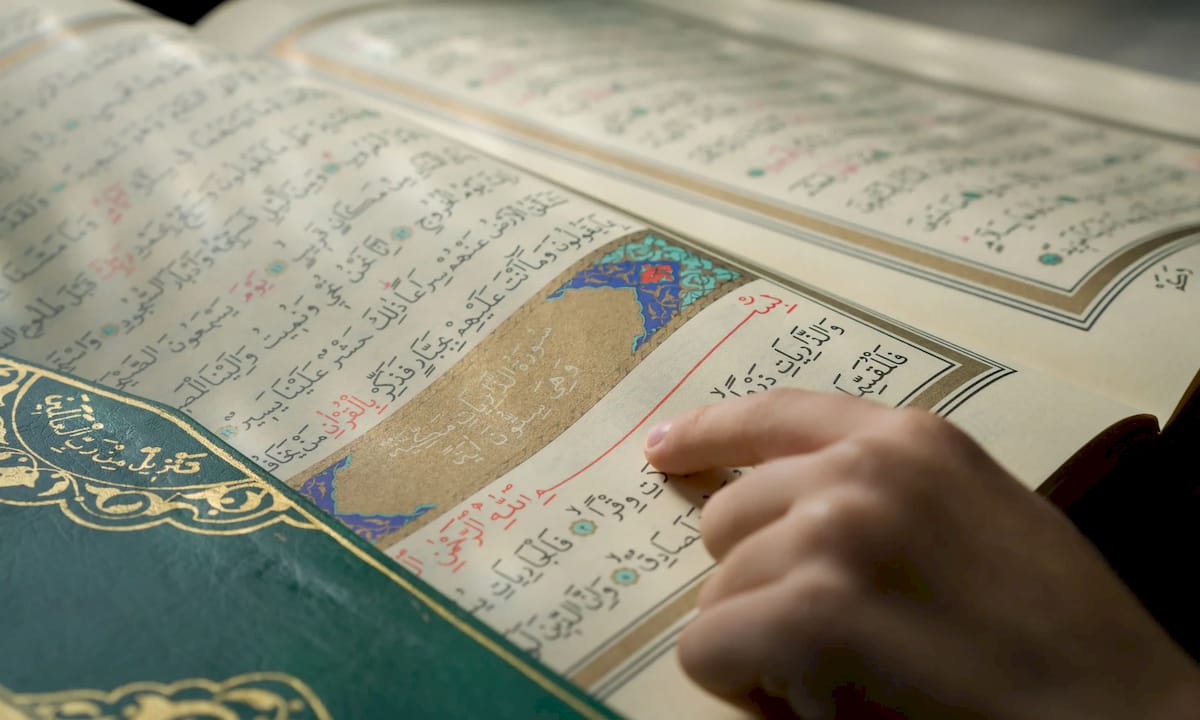
Anger in Islam Quotes: Hadith & Qur’anic Verses
There are myriad quotes on patience in Islam, especially related to anger management issues. The following are just some of the Quranic verses and hadiths on anger:
ٱلَّذِينَ يُنفِقُونَ فِى ٱلسَّرَّآءِ وَٱلضَّرَّآءِ وَٱلْكَـٰظِمِينَ ٱلْغَيْظَ وَٱلْعَافِينَ عَنِ ٱلنَّاسِ ۗ وَٱللَّهُ يُحِبُّ ٱلْمُحْسِنِينَ
who give, both in prosperity and adversity, who restrain their anger and pardon people- God loves those who do good-” [3:134]
وَٱلَّذِينَ يَجْتَنِبُونَ كَبَـٰٓئِرَ ٱلْإِثْمِ وَٱلْفَوَٰحِشَ وَإِذَا مَا غَضِبُوا۟ هُمْ يَغْفِرُونَ
“who shun great sins and gross indecencies; who forgive when they are angry;” [42:37]
Mu`adh bin Jabal (radiallahu anhu) narrated:
that one of the two men cursed the other next to the Prophet (ﷺ), until anger could be recognized in the face of one of them. So the Prophet (ﷺ) said: “Verily, I know a statement, that if he were to say it, his anger would leave: ‘I seek refuge in Allah from Shaitan, the rejected (A`ūdhu billāhi minash-shaiṭānir-rajīm).’” [Jami’ At-Tirmidhi]
Narrated Abu Huraira (radiallahu anhu): Allah’s Messenger (ﷺ) said, “The strong is not the one who overcomes the people by his strength, but the strong is the one who controls himself while in anger.” [Sahih Al-Bukhari]
Anas (radiallahu anhu) narrated that the Messenger of Allah (ﷺ) said:
“If one restrained his anger, Allah will keep His punishment from him (on the Day of Resurrection).” Related by At-Tabarani in al-Awsat
It was narrated from Ibn ‘Umar that the Messenger of Allah (ﷺ) said:
“There is no gulp that brings greater reward with Allah than a gulp of anger that a man swallows (suppresses), seeking thereby the Face of Allah.” [Sunan Ibn Majah]

Rewards and Benefits for Controlling Anger
Many of us know that there are myriad benefits of controlling anger in terms of its effects in our world as well as the Hereafter, but sometimes we need reminding from time to time so we strive to do better every single day, practicing patience and resilience amidst potential rage and anger.
The benefits are categorised into three parts:
Spiritual Benefits
1. Gaining Allah’s Divine Pleasure
As stated in the previous section of hadith, Allah Almighty promises a great reward, when a man ‘gulps’ or swallows his own anger.
It was narrated from Ibn ‘Umar that the Messenger of Allah (ﷺ) said:
“There is no gulp that brings greater reward with Allah than a gulp of anger that a man swallows (suppresses), seeking thereby the Face of Allah.” [Sunan Ibn Majah]
2. Prevention from Punishment
Again, this is clearly stated in the hadith mentioned earlier whereby Allah Almighty promises that those who control their anger in amidst of emotional adversity will repel their own punishment in the Hereafter.
Anas (radiallahu anhu) narrated that the Messenger of Allah (ﷺ) said:
“If one restrained his anger, Allah will keep His punishment from him (on the Day of Resurrection).” Related by At-Tabarani in al-Awsat
3. Gaining Inner Peace
At the end of the day, one of the most invaluable feelings is peace, to be at ease with your soul, heart and mind. You know that Allah Almighty is testing your patience, showing you the way He Loves, and it is your chance to prove your love to him. How? By being patient and at ease amidst adversity.
4. Enhanced Spiritual Growth
Saints of Allah Almighty or Awliya’, and esteemed scholars have all experienced a certain degree of trials and tribulations in life, and this has increased them in their spiritual ranks.
When Allah the Most Merciful loves His servant, He tests them and the spiritually awakened would not only endure with patience, but increase their love for Allah Almighty even more, knowing that they are the chosen ones to endure such tests. This is a sign of spiritual elevation.
Personal and Social Benefits
1. Forge Stronger Relationships
Controlling anger during conversations, critical moments involving other people is pivotal. When emotions are set aside, especially one involving anger, communication flows better between two parties. Not only that, but this will result in a greater relationship based on trust, mutual respect and compassion.
2. Better Decision Making Skills
Nobody can make a rational decision during their peak moments of anger. When you learn to control your anger, you get to pause a moment, breathe and make a decision that is not weighed based on emotions, but on rationality and practicality.
Physical Health Benefits
1. Improved Mental Health
Anger issues is tied to one’s mental health. If they have poor coping mechanisms or fail to control their anger in critical situations, this reflects their mental health as well. The ability to cope or manage one’s emotions well will significantly improve one’s mental health in general, making them more at ease, content and happier.
2. Improved Sleep
More anger means more stress. When you learn to control your emotions and let go of anger, you become more relaxed, thus increasing the quality of your sleep.
3. Reduced Stress
When we’re often angry, we realise that we’re being put in a high-stress situation. When we finally learn to control our anger healthily, no amount of pressure will control how we feel. This will in turn, help reduce stress in our daily lives.
4. Reduced health risks
Extremely poor anger management is linked to health issues like high blood pressure and heart disease; controlling anger healthily can help reduce these risks.

Disadvantages of Anger in Islam
Failure to control your anger has its own disadvantages from all aspects; spiritual, emotional, physical and even personal and social aspects. Let’s remind ourselves of the dangers of failure to keep our anger at bay.
Spiritual Disadvantages:
1. Gaining Allah’s Displeasure or Wrath
Allah Almighty loves those who are patient. There are many hadiths on controlling one’s anger and practicing patience. Even the Prophet Muhammad ﷺ advised that those who are not able to say good things should remain silent.
The Prophet ﷺ said: “Whoever believes in Allah and the Last Day should speak good or remain silent.” (Sahih al-Bukhari, Sahih Muslim)
When you’re angry, you don’t think rationally and words that come out will damage the situation further. Hence, it is better to remain silent than causing further damage. This will cause Allah’s Displeasure.
2. It Becomes Easy to Commit Sin
When you’re angry and emotionally volatile, you are not in a state to think rationally. Hence, some people who get angry or stressed out will either hurt other people with their words, or try to find other ways to ‘cope’ with their issues such as giving into temptations like alcohol, smoking and more.
Personal and Social Disadvantages
3. Broken Relationships
When anger is involved in conversations, confrontation and arguments, it can be all too easy to sever relationships in a blink of an eye. One who fails to not only control their anger, but also fail to communicate due to anger, will see that people push them away due to lack of trust and respect.
4. Lack of Rationality in Making Decisions
When one constantly makes decisions during heated moments of anger, they will see a huge setback in their lives caused by their own decisions. It can be a painful journey to endure due to one’s mistakes or decisions, but it is never too late to improve oneself to become better.
Health Disadvantages
5. Deterioration of Mental Health
Mental health depletes when one is in constant high-stress mode due to anger and other stimulus exisiting in their surroundings. That is why it is essential to learn how to control anger, especially from the Islamic perspective.
6. Poor Sleep Quality
Lack of control in anger leads to poor sleep quality due to being in constant high-stress situations, worsened by anger. When stress is high, the brain produces cortisol which makes sleeping much more difficult.
7. Exposure to Potential Health Risks
Anger results in the body and mind being under stress. This results in potentially hazardous health risks like high blood pressure, heart diseases and more.

Du’as to Control Your Anger in Islam
There are plenty of du’as to recite when angry and other possible tribulations that affect anger or sadness. Some of the du’as include:
أعوذ بالله من الشيطان الرجيم
A‘ūdhu billāhi min ash-shayṭān ir-rajīm
“I seek refuge in Allah from the accursed devil.” (Sahih al-Bukhari, Sahih Muslim)
اللَّهُمَّ آتِ نَفْسِي تَقْوَاهَا، وَزَكِّهَا أَنْتَ خَيْرُ مَنْ زَكَّاهَا، أَنْتَ وَلِيُّهَا وَمَوْلَاهَا
Allāhumma ātِ nafsī taqwāhā, wa zakkihā anta khayru man zakkāhā, anta waliyyuhā wa mawlāhā
“O Allah, grant my soul its piety and purify it, for You are the best to purify it. You are its Guardian and Master.” (Sahih Muslim)
رَبَّنَا أَفْرِغْ عَلَيْنَا صَبْرًا وَتَوَفَّنَا مُسْلِمِينَ
Rabbana afrigh ‘alaynā ṣabran wa tawaffanā muslimīn
“Our Lord, pour upon us patience and let us die as Muslims [in submission to You].” (Qur’an 7:126)
اللَّهُمَّ مَالِكَ الْمُلْكِ تُؤْتِي الْمُلْكَ مَن تَشَاءُ، وَتَنزِعُ الْمُلْكَ مِمَّن تَشَاءُ، وَتُعِزُّ مَن تَشَاءُ، وَتُذِلُّ مَن تَشَاءُ، بِيَدِكَ الْخَيْرُ، إِنَّكَ عَلَىٰ كُلِّ شَيْءٍ قَدِيرٌ.
تُولِجُ اللَّيْلَ فِي النَّهَارِ، وَتُولِجُ النَّهَارَ فِي اللَّيْلِ، وَتُخْرِجُ الْحَيَّ مِنَ الْمَيِّتِ، وَتُخْرِجُ الْمَيِّتَ مِنَ الْحَيِّ، وَتَرْزُقُ مَن تَشَاءُ بِغَيْرِ حِسَابٍ.
Allāhumma Mālika al-mulk, tu’tī al-mulka man tashā’, wa tanzi‘u al-mulka mimman tashā’, wa tu‘izzu man tashā’, wa tudhillu man tashā’, biyadikal-khayr, innaka ʿalā kulli shay’in qadīr.
Tūlijul-layla fī an-nahār, wa tūlijun-nahāra fī al-layl, wa tukhriju al-ḥayya mina al-mayyit, wa tukhriju al-mayyita mina al-ḥayy, wa tarzuqu man tashā’u bighayri ḥisāb.
“O Allah, Owner of Sovereignty, You give sovereignty to whom You will, and You take sovereignty away from whom You will. You honor whom You will, and You humble whom You will. In Your hand is all good. Truly, You have power over all things. You cause the night to enter into the day, and You cause the day to enter into the night. You bring the living out of the dead, and You bring the dead out of the living. And You provide for whom You will without measure.” (Qur’an 3:26–27)

How to Control Anger in Islamic Perspective
1. Remove Yourself (If You Can)
Even stepping into another room or going to the bathroom to freshen yourself up gives your body a chance to reset. It also removes you from the space filled with negative aura that can only worsen situations. Physical space, even for a moment, creates mental space.
2. Practice Deep Breathing
Deep breathing slows your heart rate and tells your brain that you’re safe and well. Try this method: Inhale for four counts, hold for four, exhale for six counts. Repeat this process three times.
3. Istighfar and Recite Du’as as Mentioned Earlier
A vulnerable moment calls for du’a to seek protection and guidance from Allah Almighty. Ask him for His Help, to take you out of the rut of anger and ask Him to grant you strength, patience and resilience to move forward.
4. Perform Wudhu’ or Just Wash Your Face
Cool yourself down by putting yourself in a state of purity. Even if you can’t perform full wudhu’, splashing water on your face helps a lot to cool the heat off your face. This is also an act of spiritual purification.
5. Say Less
Saying anything else when you’re angry will only make things worse. When emotions are high, words become a double edged sword. Silence can be the most powerful form of self-control in the heat of anger.
6. Write It Out or Voice Note Yourself
This might sound odd, but dumping your feelings in a private journal or voice memo gives them somewhere to go, instead of exploding onto someone else.
7. Go for a Walk
Similar to removing yourself from a high-stress situation, go for a walk in the open air where your mind calms down and your heart stills.
8. Exercise if You Must
Some people deal with problems by working out, tiring themselves out before they even have a chance to think about their problems and succumb to their emotions. Working out releases endorphins, regulating your emotions a lot better.
Anger is natural, but Islam teaches us to master it with patience, du‘ā, and remembrance of Allah. By applying these practices, we not only gain peace in this world but immense rewards in the Hereafter. Share this article if you found it beneficial.
FAQs:
What does Islam say about anger management?
Islam teaches that anger is a natural human emotion but must be controlled and directed in a way that does not harm oneself or others. The Qur’an encourages believers to restrain anger and pardon others, describing this as a quality of the righteous. Prophet Muhammad ﷺ also warned against uncontrolled anger, advising that true strength lies not in physical power but in the ability to control one’s anger.
Which du‘a helps with anger?
One of the easiest du’as to recite besides istighfar and isti’adha is this:
رَبَّنَا أَفْرِغْ عَلَيْنَا صَبْرًا وَتَوَفَّنَا مُسْلِمِينَ
Rabbana afrigh ‘alaynā ṣabran wa tawaffanā muslimīn
“Our Lord, pour upon us patience and let us die as Muslims [in submission to You].” (Qur’an 7:126)
How can Muslims control anger according to the Qur’an and Hadith?
Some practical steps include as reciting Istighfar and istia’dha, performing ablution (wudhu’) to cool down, changing body posture (e.g., sitting if standing), and remaining silent instead of reacting harshly.