



Rabi’ul Awwal is one of the most significant months in the Islamic calendar, marking essential events that changed the course of our human civilization.
It is a month all Muslims revere for the birth of our beloved Prophet Muhammad ﷺ which illuminates the world, among other crucial historical events.
In this article, we will answer the following questions on Rabi’ul Awwal: what is the meaning of Rabi’ul Awwal? When is the 12th of Rabi’ul Awwal in 2026? What are the key events in Rabi’ul Awwal? What’s the significance of it, and most importantly, what are the Sunnah acts to do in Rabi’ul Awwal?

Meaning of Rabi’ul Awwal
Rabi‘ul Awwal (ربيع الأوّل) is the third month in the Islamic (Hijri) calendar. The name literally means “the first spring”; Rabi‘ means spring, al-Awwal means first.
The reason for this name is the establishment of the Islamic calendar which coincided with the spring season in Arabia.
Initially, the months in the Islamic calendar were named based on pre-Islamic Arabia, but they have shifted the system to lunar-based approach, the Islamic calendar we know today.

When is 12th Rabi’ul Awwal in 2026?
12th Rabi’ul Awwal 1448H, or significantly known as the blessed commemoration of Maulidur Rasul or Mawlid Nabi falls on Tuesday, 25th August 2026.
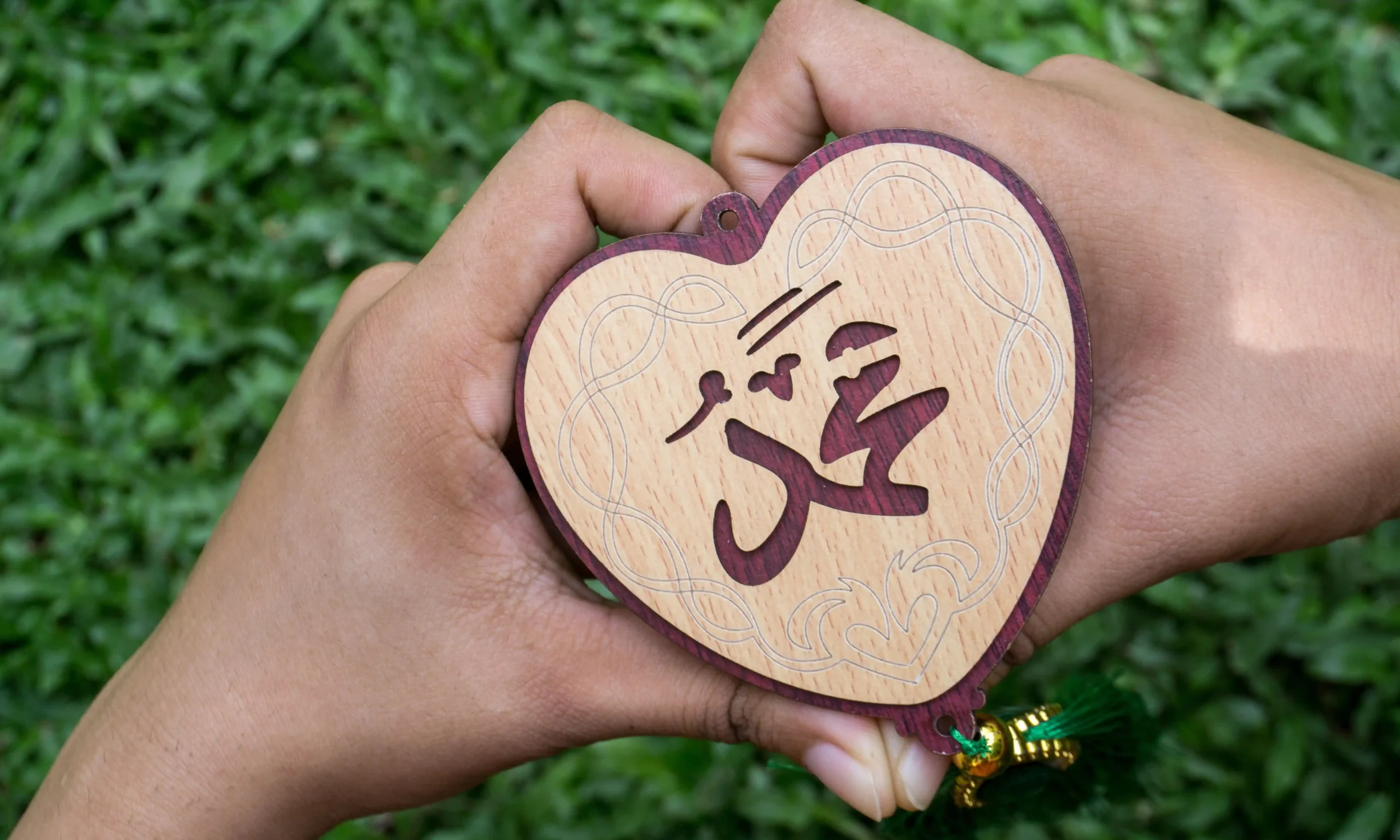
Why is Rabiul Awwal important?
Rabi‘ul Awwal is a blessed month filled with love, reflection, and gratitude for Muslims around the world. It holds a special place in the Islamic calendar as it reminds believers of the mercy and guidance Allah sent through Prophet Muhammad ﷺ.
Let’s look at why this month is significant to Muslims worldwide:
A month of gratitude and reflection:
Muslims use this time to remember the mercy and guidance Allah Almighty sent through Prophet Muhammad ﷺ.
Renewing love for the Prophet ﷺ:
It encourages us to learn about his life, follow his Sunnah, and strengthen their emotional and spiritual connection to him via lectures, Mawlid gatherings and more.
Reviving his teachings:
Muslims are reminded to embody his character; compassion, humility, gratitude and patience in their daily lives.
Spiritual growth and remembrance:
Muslim communities often engage in selawat, study circles, and gatherings that deepen understanding of his message.
Honouring his legacy
Other than focusing on celebration of his birth in this blessed month, Rabi‘ul Awwal is also about living by the values he taught and spreading goodness to others.

Important Events in Rabiul Awwal
Some people only recognize the blessed month as the month of our beloved Prophet’s (ﷺ) birth, but it’s beyond just that. Let’s look at the significant events that took place in this blessed month.
Birth of the Prophet Muhammad ﷺ:
The Prophet ﷺ was born in Makkah on the 12th of Rabi‘ul Awwal, marking the arrival of mercy and guidance for all of humanity.
The Hijrah to Madinah
During this month, the Prophet ﷺ was on his migration quest from Makkah to Madinah, where the first community was established and Islam began to spread and people were more susceptible to the monotheistic and Tawhidic ideology.
The Passing of the Prophet ﷺ
As this month was celebrated for his birth, it is also important to note that the Prophet ﷺ also returned to Allah Almighty in the month of Rabi‘ul Awwal, in the 11th year of Hijrah, leaving behind a blessed legacy for people to emulate.
The Establishment of the First Masjid
Upon arriving in Madinah, the Prophet ﷺ built Masjid Quba, the first mosque in Islam, symbolising the foundation of worship and unity in the Muslim community.
Sunnah Acts to Do in Rabi’ul Awwal
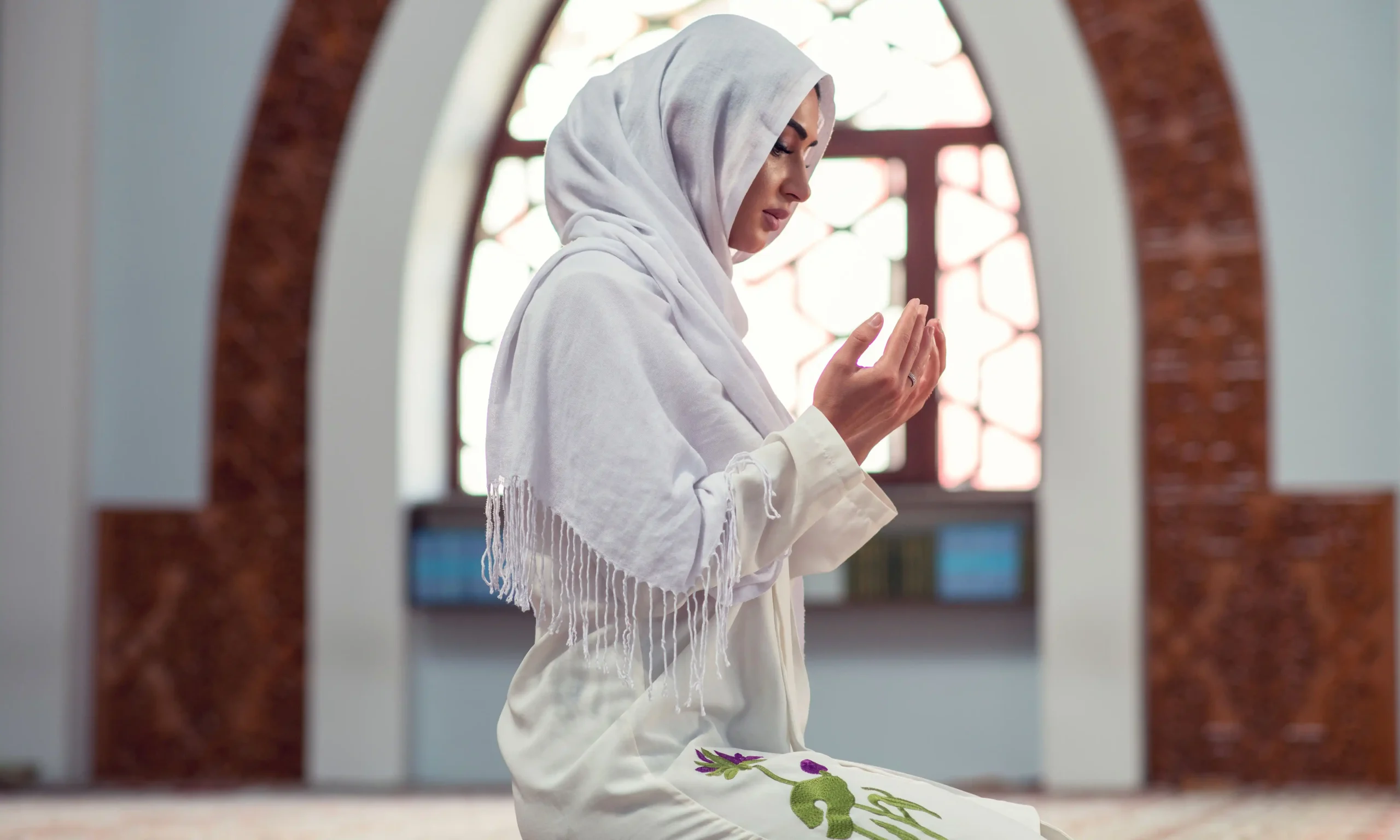
1. Increase in Sending Selawat
Regularly reciting Salawat upon the Prophet ﷺ should be one of the key things we can do not only on this blessed month, but anytime at all. There are tremendous virtues of reciting Salawat, and many kinds for specific benefits and rewards.
One of the most common Salawat is:
“Allahumma salli ‘ala Sayyidina Muhammad wa ‘ala ali Sayyidina Muhammad.”
It’s one of the most beloved deeds to Allah the Most Merciful and a way of showing love and gratitude to the Prophet ﷺ.
2. Learn and Reflect on the Sirah of Prophet Muhammad ﷺ
Read books, listen to talks or join Sirah classes about the Prophetic biography comprising his sublime character, manners, and struggles.
One of the main ways to increase our love for the Prophet ﷺ is to learn more about him. How can you fall in love without understanding the role model of the entire humanity? Dedicate this moment to join storytelling sessions or discussion circles about his life.
3. Revive the Sunnah in Daily Life
To love him ﷺ is to follow his footsteps. Practice small Sunnahs such as greeting others with salam, smiling, eating with the right hand, or showing kindness and mercy.
We’ve compiled 50 acts of Sunnah you can do in your everyday life and ensure you stick to it. These acts keep his teachings alive in everyday living.
4. Increase in Acts of Goodness
If you feel like you haven’t done enough, this is the time to give back and increase in good deeds. Give charity, visit the sick, and help those in need; all habits the Prophet ﷺ encouraged.
Doing good deeds in remembrance of him strengthens one’s connection to his example.
5. Strengthen the Connection with the Qur’an
Reciting the Qur’an is one of the key acts of worship you can do to gain stronger relationship with the Allah Almighty, the Prophet ﷺ, and the Qur’an too.
Ibn Mas’ud (May Allah be pleased with him) reported:
The Messenger of Allah (ﷺ) said, “Whoever recites a letter from the Book of Allah, he will be credited with a good deed, and a good deed gets a ten-fold reward. I do not say that Alif-Lam-Mim is one letter, but Alif is a letter, Lam is a letter and Mim is a letter.” [Jami’ At-Tirmidhi]
6. Gather for Remembrance and Reflection
Attend mawlid, salawat, or spiritual gatherings that focus on remembering and honouring the Prophet ﷺ.
SimplyIslam hosts monthly spiritual gatherings known as Dala’il Al-Khayrat for all to embrace the love and joy for the Prophet ﷺ through heartfelt recitations, Qur’anic verses and even Salawat. If you’re in Singapore and would like the spiritual experience, register by filling out our form.
Conclusion
Rabi‘ul Awwal is not merely a historical month. It’s a spiritual reminder of the mercy, guidance, and light that the Prophet Muhammad ﷺ brought to the world.
As Muslims, our connection to this month goes beyond celebration; it is about renewing our love for him, living by his Sunnah, and continuing his legacy through acts of kindness, humility, and faith.
May this Rabi‘ul Awwal inspire us to draw closer to Allah, deepen our understanding of the Prophet’s ﷺ message, and spread the values he lived for; mercy, justice, and compassion, in our daily lives.