





The 10 most common Salah mistakes Muslim women make
The ten most common mistakes Muslim women make in Salah affect both the validity and the spiritual depth of their prayers. Recognizing them is the first step toward correcting them.
- Rushing through Salah — Moving too quickly through postures violates the tranquility the Prophet ﷺ commanded and diminishes spiritual concentration.
- Lack of concentration (Khushu) — Allowing the mind to wander strips Salah of its spiritual core, even when the physical postures are correct.
- Looking around during prayer — Turning the face or eyes away from the place of sujood is explicitly listed among the disliked (makruh) acts in classical fiqh texts.
- Delaying Salah without reason — Habitually praying outside the prescribed time window without a valid excuse is a serious matter in Islamic law.
- Incorrect posture in Ruku and Sujood — Women’s postures differ from men’s based on the principle of concealment (sitra); many women unknowingly adopt the male method.
- Moving before the Imam in congregational prayer — Anticipating the Imam’s movements is a well-documented error that can affect the validity of one’s prayer.
- Incomplete or incorrect Wudu — Skipping elbows, heels, or wearing conventional nail polish are among the most common reasons wudu is invalidated.
- Not covering the Awrah properly — Praying in sheer, tight, or incomplete clothing invalidates Salah according to scholarly consensus.
- Distractions such as phones not silenced — A ringing or buzzing phone breaks khushu and is easily preventable.
- Incorrect pronunciation of Quranic verses — Mispronouncing words in Al-Fatiha or other recited surahs can alter meaning and diminish prayer quality.
- Praying in unclean or inappropriate places — Failing to verify the cleanliness of the prayer space or its alignment with the Qibla undermines the prayer’s conditions.
Pro Tip: Before you begin each Salah, pause for a moment to make a conscious niyyah (intention). This brief act of presence is not just a formality — it orients your heart toward Allah before your body follows.
Table of Contents
- How each mistake affects your Salah and how to fix it
- Women’s posture in Salah: what Hanafi fiqh actually says
- Practical steps to avoid these mistakes and deepen your Salah
- Strengthen your Salah with SimplyIslam’s ladies prayer course
- Key Takeaways
How each mistake affects your Salah and how to fix it
Understanding why each error matters helps you correct it with conviction, not just habit.
1. Rushing through Salah
The Prophet ﷺ said: “The worst thief is the one who steals from his own prayer.” When asked how one steals from prayer, he replied: “By not completing its bowing and prostration properly.” [Reported in classical hadith collections.] Rushing prayer violates the required tranquility (tuma’ninah) in each posture, which is a wajib (necessary) act in Hanafi fiqh. If tuma’ninah is omitted, the prayer is deficient and must be repeated.
Corrective steps:
- Hold each posture long enough to recite the minimum tasbihat at a measured pace.
- Treat each rakah as a complete act of worship, not a task to complete.
2. Lack of concentration (Khushu)
Khushu is the heart of Salah. Allah says in the Quran: “Successful indeed are the believers — those who are humble in their prayers.” (Al-Mu’minun 23:1–2). A prayer performed with wandering attention is technically valid if the physical conditions are met, but its spiritual reward is diminished. The scholars note that a person receives reward only for the portion of prayer in which the heart was present.
Corrective steps:
- Understand the meaning of what you recite, even at a basic level.
- Choose a quiet, uncluttered prayer space.
- Fix your gaze on the place of sujood during standing.
3. Looking around during prayer
Turning the face or eyes away from the place of sujood is listed among the makruhat (disliked acts) in classical Hanafi texts. It signals inattention and, if the face turns fully away from the Qibla, can invalidate the prayer.
4. Delaying Salah without reason
Each of the five prayers has a prescribed time window. Praying outside that window without a valid excuse (illness, travel, sleep) is sinful. The habit of “I’ll pray later” when the time has not yet passed is different from deliberately missing the window altogether — the latter is a serious matter.
5. Incorrect posture in Ruku and Sujood
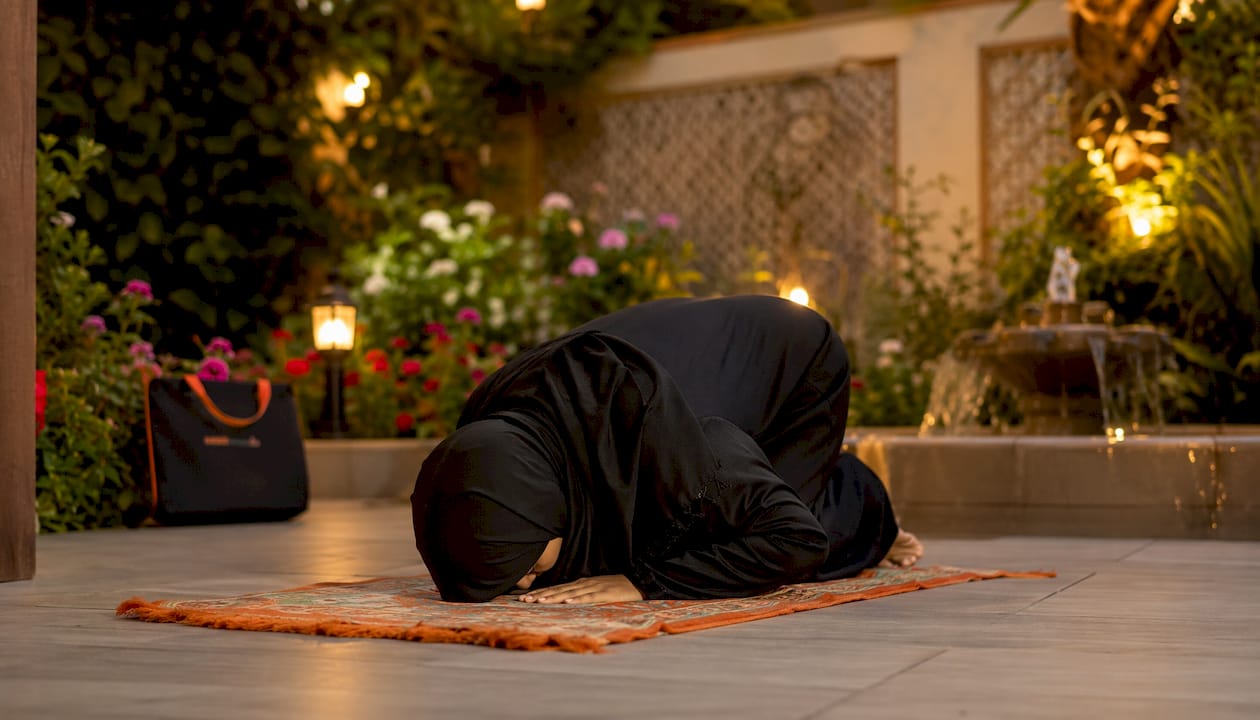
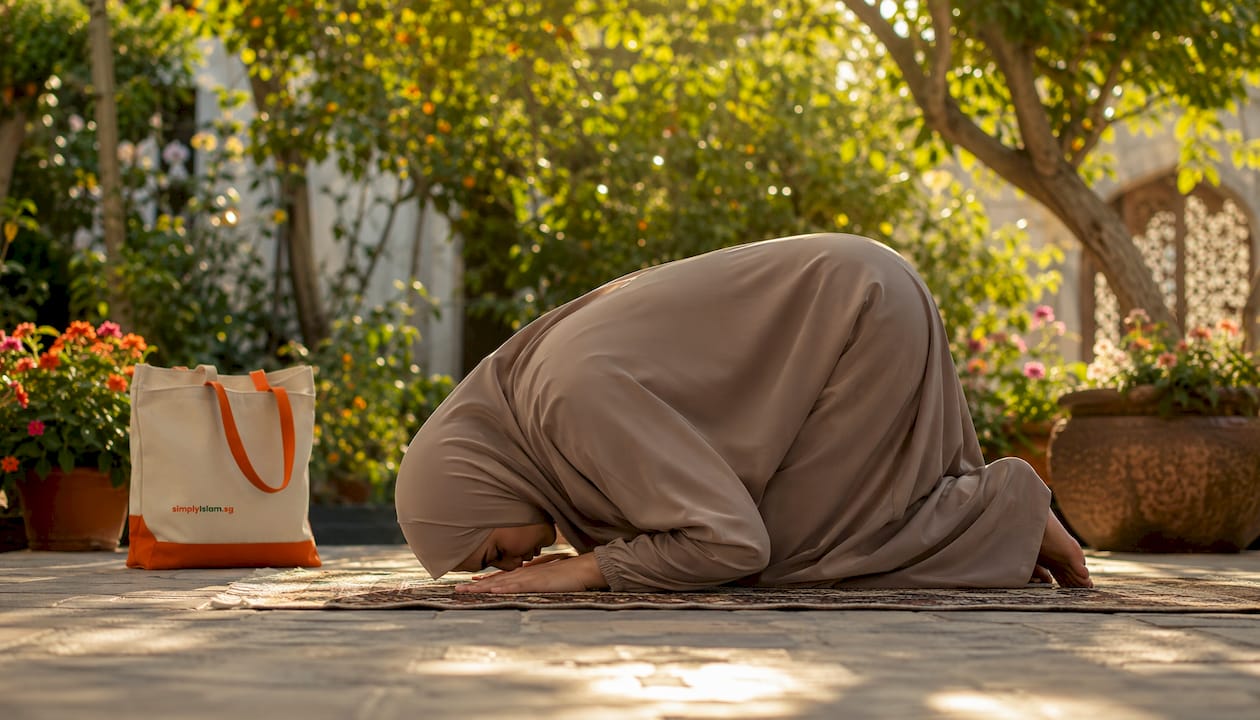
This is one of the most significant female-specific errors. According to Hanafi fiqh, women should bow only enough for the hands to reach the knees, keep the elbows close to the body, and in sujood, keep the abdomen resting on the thighs. Many women follow the male method, which emphasizes spreading out. The female method prioritizes concealment (sitra), and departing from it without reason is contrary to the Sunnah for women.
Corrective steps:
- In Ruku, bend slightly with fingers together on the knees and elbows touching the sides.
- In Sujood, keep the stomach on the thighs and arms close to the body.
- Review the female-specific Salah postures grounded in Hanafi rulings.
6. Moving before the Imam in congregational prayer
The Prophet ﷺ warned against anticipating the Imam: “Does the one who raises his head before the Imam not fear that Allah will turn his head into that of a donkey?” (Bukhari & Muslim). Moving into Ruku or Sujood before the Imam completes the takbir is a common error. For women specifically, when the Imam makes a mistake, the correction is not verbal — it is tasfiq (clapping), which is the Sunnah method to preserve modesty and avoid causing distraction (fitna) in the congregation.
7. Incomplete or incorrect Wudu
Valid wudu requires washing the entire face, both arms including the elbows, wiping the head with water touching the scalp, and washing both feet including the heels and between the toes. Neglecting elbows and heels is among the most common reasons wudu is invalidated. Standard nail polish presents a separate issue: water beads off the surface and cannot reach the skin beneath, which breaks the essential requirement of water contacting the skin. Removing nail polish before wudu is the sound position for validity and peace of mind.
Corrective steps:
- Wash each limb thoroughly, paying deliberate attention to elbows and heels.
- Remove conventional nail polish before performing wudu.
- Consider breathable, water-permeable nail polish only if you have confirmed its validity with a qualified scholar.
8. Not covering the Awrah properly
A woman must cover her entire body except the face, hands, and feet during Salah. The clothing must be opaque — not sheer — and loose enough that it does not describe body contours. Praying in tight or sheer clothing invalidates the prayer. Many women wear an abaya or prayer garment over their regular clothes specifically to meet this condition.
9. Distractions such as phones not silenced
A phone ringing mid-prayer does not invalidate Salah, but it fractures khushu in a way that is difficult to recover from. Maintaining a quiet space free from interruptions is a practical act of respect for the prayer itself. Silence your phone before making wudu — not after you have already stood for Salah.
10. Incorrect pronunciation of Quranic verses
Mispronouncing words in Al-Fatiha can change meaning in ways that affect the prayer. For example, altering a vowel on a key word can shift the meaning entirely. Proper Tajweed and correct recitation improve worship quality and are worth investing time in, even for those who have been praying for years.
11. Praying in unclean or inappropriate places
The prayer space must be free from actual filth (najasah). According to Hanafi fiqh, the excusable amount of liquid filth is approximately 5 cm in diameter; anything beyond that must be removed. Choosing a clean, quiet space aligned toward the Qibla also supports khushu and fulfills the conditions of valid prayer.
Pro Tip: In congregational prayers, if the Imam makes a recitation error, women should use tasfiq — a light clap — rather than speaking aloud. This is the Sunnah method for women and preserves the dignity and focus of the congregation.
Women’s posture in Salah: what Hanafi fiqh actually says
The principle of sitra (concealment) is not a minor preference. It is a fundamental ruling that shapes every posture in a woman’s Salah, and it differs meaningfully from the male method.
Standing (Qiyam):
- Feet should be kept close together, not shoulder-width apart as in the male method.
- Hands are placed on the chest, not below the navel.
Bowing (Ruku):
- Bend only enough for the hands to reach the knees.
- Fingers are kept together, not spread.
- Elbows remain close to the sides of the body.
Prostration (Sujood):
- The abdomen rests on the thighs, drawing the body inward.
- Arms lie flat on the ground, not raised.
- This posture is explicitly documented in classical Hanafi sources as distinct from the male method of spreading out.
Sitting (Qa’dah):
- Women sit on the left buttock with both feet extended to the right side, not in the male tawarruk or iftirash position.
These distinctions exist because the female body’s posture in prayer is designed to maximize modesty. A woman who has been praying the male method for years is not sinful, but correcting her posture brings her Salah closer to the Sunnah and, according to Hanafi scholars, is the more complete form of worship for women.
Pro Tip: Modesty in posture does not mean less devotion — it means a form of worship specifically suited to you. Correcting your posture is an act of love for the Sunnah, not a criticism of how you have prayed before.
Practical steps to avoid these mistakes and deepen your Salah
Correcting errors in Salah is not a one-day project. It is a gradual, sincere effort that builds over time.
Before Salah:
- Perform wudu carefully and deliberately, checking elbows, heels, and the scalp.
- Remove nail polish and ensure your prayer garment is opaque and covers fully.
- Silence your phone before making wudu.
- Choose a clean, quiet space and verify its direction toward the Qibla.
- Make a conscious niyyah before beginning.
During Salah:
- Move at a measured pace, holding each posture until you feel settled.
- Fix your gaze on the place of sujood during standing, on your feet during Ruku, and on your lap during sitting.
- If your mind wanders, gently return your attention to the meaning of what you are reciting.
- In congregation, follow the Imam’s movements — never anticipate them.
After Salah:
- Make du’a and take a moment to reflect on the quality of your prayer.
- Identify one area to improve in the next prayer, whether it is pronunciation, posture, or presence of heart.
For ongoing improvement:
- Study Tajweed with a qualified teacher to correct recitation errors at the root.
- Review female-specific fiqh rulings through reliable free Islamic resources to build confidence in your practice.
- If you returned to Salah after menstruation or post-natal bleeding, review the ghusl purification steps to confirm your prayer conditions are fully met.
Pro Tip: Khushu is not a feeling you wait for — it is a discipline you build. Start by learning the translation of Al-Fatiha and the tasbihat you recite in every prayer. When you understand what you are saying, your heart follows your tongue.
Strengthen your Salah with SimplyIslam’s ladies prayer course
If this article has surfaced questions you have been carrying for years — about posture, wudu, pronunciation, or simply whether you have been praying correctly — you are not alone. Many Muslim women pray sincerely for decades without ever receiving structured, female-focused fiqh guidance.

SimplyIslam’s Islamic Essentials for Ladies course is built precisely for this. Taught by ARS-certified instructors using a practical, interactive methodology, it covers the correct female method of Salah according to Hanafi fiqh, wudu conditions, awrah requirements, and how to build genuine khushu. The course is designed for busy women who want clarity, not just more information. SimplyIslam has brought scholarly depth to everyday practice through their structured courses. Enroll in the ladies prayer course today and pray with the confidence that comes from knowing you are doing it right.
Key Takeaways
Correcting the ten most common Salah mistakes Muslim women make requires addressing both physical conditions and spiritual presence, with female-specific Hanafi postures being among the most frequently overlooked areas.
| Point | Details |
|---|---|
| Posture differs for women | Hanafi fiqh requires women to keep limbs close, bow slightly, and rest the abdomen on thighs in sujood. |
| Wudu must reach every limb | Elbows, heels, and the scalp must be fully washed; standard nail polish blocks water and invalidates wudu. |
| Awrah coverage is a validity condition | Clothing must be opaque and loose; sheer or tight garments invalidate the prayer entirely. |
| Tasfiq replaces verbal correction | Women use a light clap, not speech, to alert the Imam to a mistake in congregational prayer. |
| SimplyIslam ladies course | The Islamic Essentials for Ladies course offers structured, ARS-certified guidance on correct female Salah practice. |