



If your marriage has felt like a battlefield lately… constant arguments, a partner who’s pulled away, intimacy that’s vanished, or a tension you can’t explain, it’s natural to start looking for a reason.
In our community, that search sometimes leads to one question: could this be spiritual? Perhaps sihr (black magic) or the evil eye (‘ain)?
It’s a fair question. Sihr, the evil eye and the influence of jinn are realities affirmed in the Qur’an and Sunnah. They are not myths, and Islam never asks us to pretend they don’t exist. However, it is important to note that the existence of sihr does not mean every difficult marriage is caused by it.
Before we go any further, we want to be upfront about something many articles on this topic skip over.
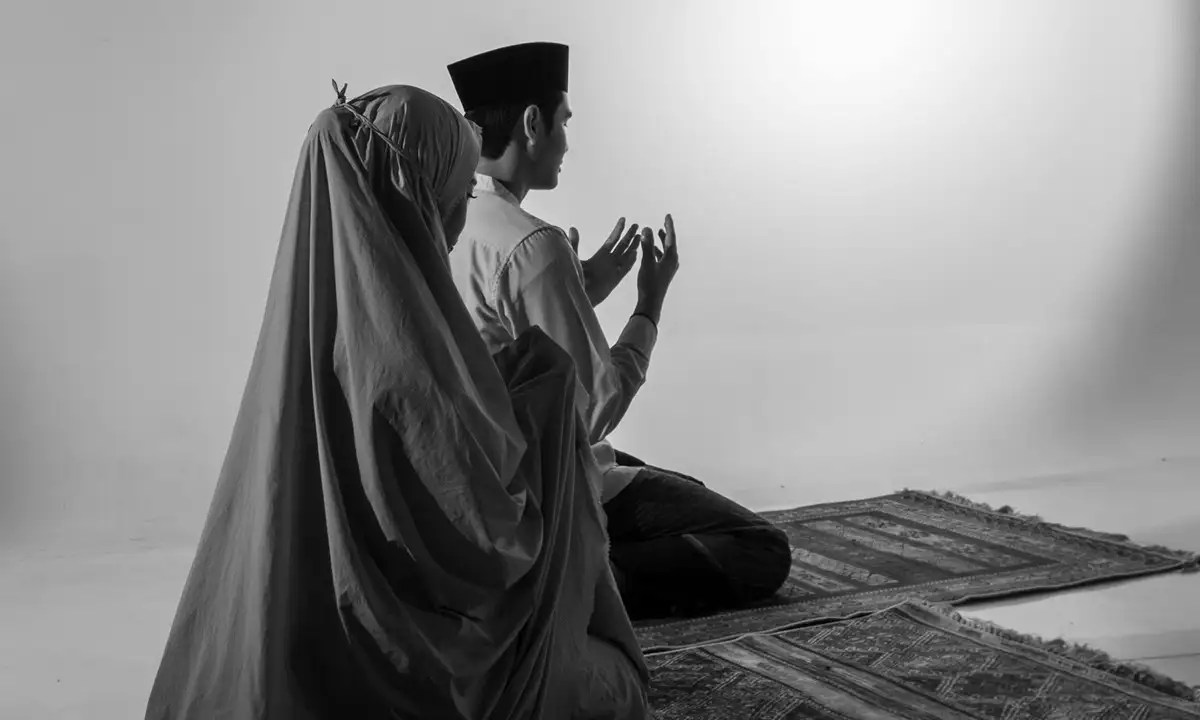
A necessary word before you read on
وَمِنْ ءَايَـٰتِهِۦٓ أَنْ خَلَقَ لَكُم مِّنْ أَنفُسِكُمْ أَزْوَٰجًۭا لِّتَسْكُنُوٓا۟ إِلَيْهَا وَجَعَلَ بَيْنَكُم مَّوَدَّةًۭ وَرَحْمَةً ۚ إِنَّ فِى ذَٰلِكَ لَـَٔايَـٰتٍۢ لِّقَوْمٍۢ يَتَفَكَّرُونَ
Another of His signs is that He created spouses from among yourselves for you to live with in tranquillity: He ordained love and kindness between you. There truly are signs in this for those who reflect. [Qur’an 30:21]
Marriages go through hardship for completely ordinary, human reasons; money stress, poor communication, unresolved resentment, exhaustion from parenting, unmet expectations, family interference, or simply two people who’ve grown apart and haven’t learned how to grow back together. These are real problems that deserve real solutions.
So before you read the list below and start matching it to your own marriage, please hold onto these two points:
- None of these signs confirm spiritual affliction on their own. Each one has a far more common, completely non-spiritual explanation. A list like this can be useful for raising awareness, but it is not a diagnostic tool.
- The recommended first step is marriage counseling or therapy. A qualified marriage counsellor or therapist (ideally one who understands your faith and values) can help you and your spouse identify what’s actually happening, whether that’s a communication breakdown, unaddressed trauma, mental health struggles, or something else entirely.
Many couples who feared “something spiritual was wrong” found real healing simply through honest counselling and effort.
If, after sincere effort in counselling, the problems persist in ways that feel inexplicable, disproportionate, or resistant to every reasonable effort, that is when it becomes appropriate to also explore the matter with a credible, qualified raqi or Islamic healer, alongside, not instead of, the practical and relational work.
With that grounding in place, here are the signs some scholars and experienced practitioners associate with spiritual affliction in a marriage.
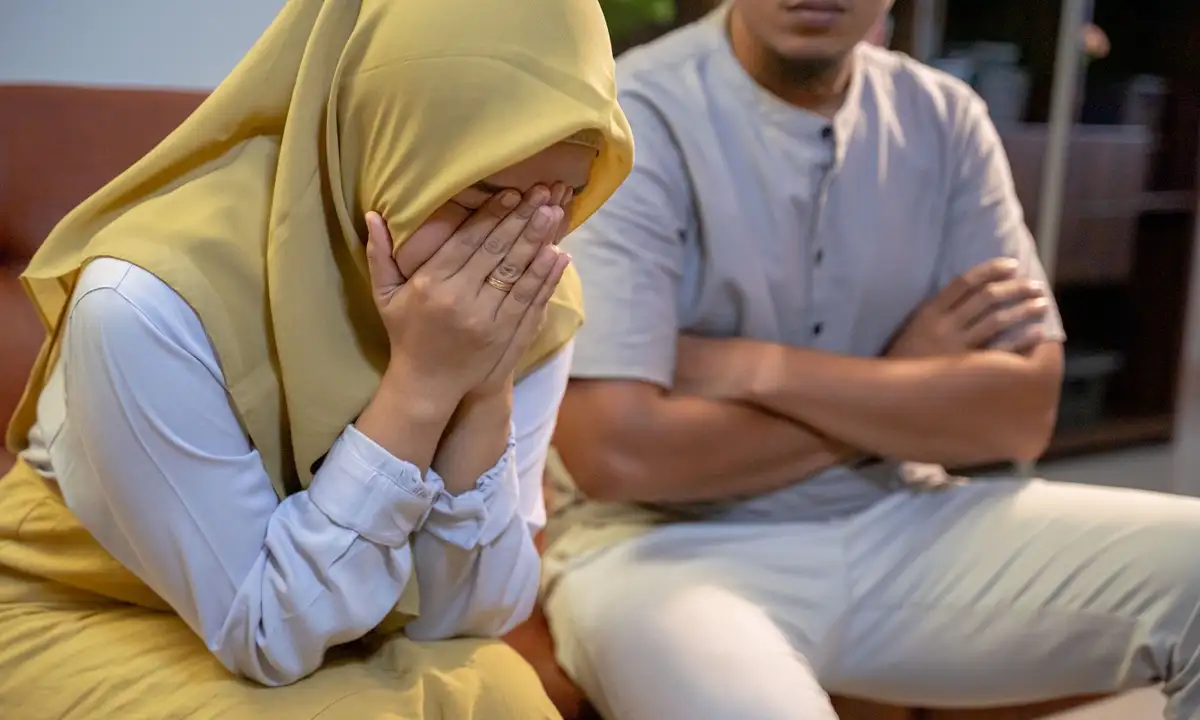
15 signs associated with spiritual affliction in marriage
- A sudden, unexplained aversion between spouses. Not the slow drift of growing apart, but a sharp, disproportionate distaste or repulsion that seems to appear out of nowhere, with no triggering incident.
- Intense hatred or anger that feels foreign to the person feeling it. The spouse themselves may say things like “I don’t know why I feel this way” or “this isn’t how I normally think.”
- A complete and sudden loss of intimacy that isn’t explained by health issues, conflict, or life stress, particularly when it arrived abruptly rather than gradually.
- Recurring, vivid nightmares involving themes of separation, water, snakes, graves, or being chased, especially when they began at the same time as the marital difficulties.
- One or both spouses feeling a strong pull toward divorce with no clear reason, often describing it as a compulsion rather than a reasoned decision.
- Persistent whispers of doubt about the marriage that feel intrusive and don’t respond to reassurance, logic, or evidence to the contrary.
- A noticeable change in one spouse’s character or behaviour that the people around them; family, close friends also remark on, often phrased as “they’re not themselves anymore.” They might isolate themselves or display contradicting behaviour that is more negative.
- Physical symptoms with no medical explanation, such as unexplained fatigue, headaches, hot flashes, or body aches that worsen around the spouse or in the marital home, after a thorough medical check-up has ruled out underlying conditions.
- A marked decline in religious practice that coincided with the onset of marital problems. They suddenly feel heaviness or resistance to prayer, Qur’an recitation, or dhikr, particularly if this is out of character.
- Obsessive, irrational suspicion or jealousy that appeared suddenly and feels disconnected from any real evidence.
- Repeated failed reconciliation attempts where genuine efforts by both spouses, including counselling seem to be sabotaged by circumstances or feelings that resist resolution.
- A feeling of a “wall” or invisible barrier between spouses that either partner struggles to articulate or explain, despite no major conflict having occurred.
- Disturbances specifically tied to the marital bed or bedroom such as one or both spouses feeling unusually uneasy, restless, or unable to sleep only in that space.
- Third-party interference patterns that follow a consistent, unusual trajectory. For example, a recurring figure who seems to appear at pivotal moments to worsen tension, especially if other family members have voiced concern about that person’s intentions.
- A general sense of darkness, heaviness, or spiritual “fog” that one or both spouses describe feeling specifically when together, which lifts when they are apart.
What these signs do not mean
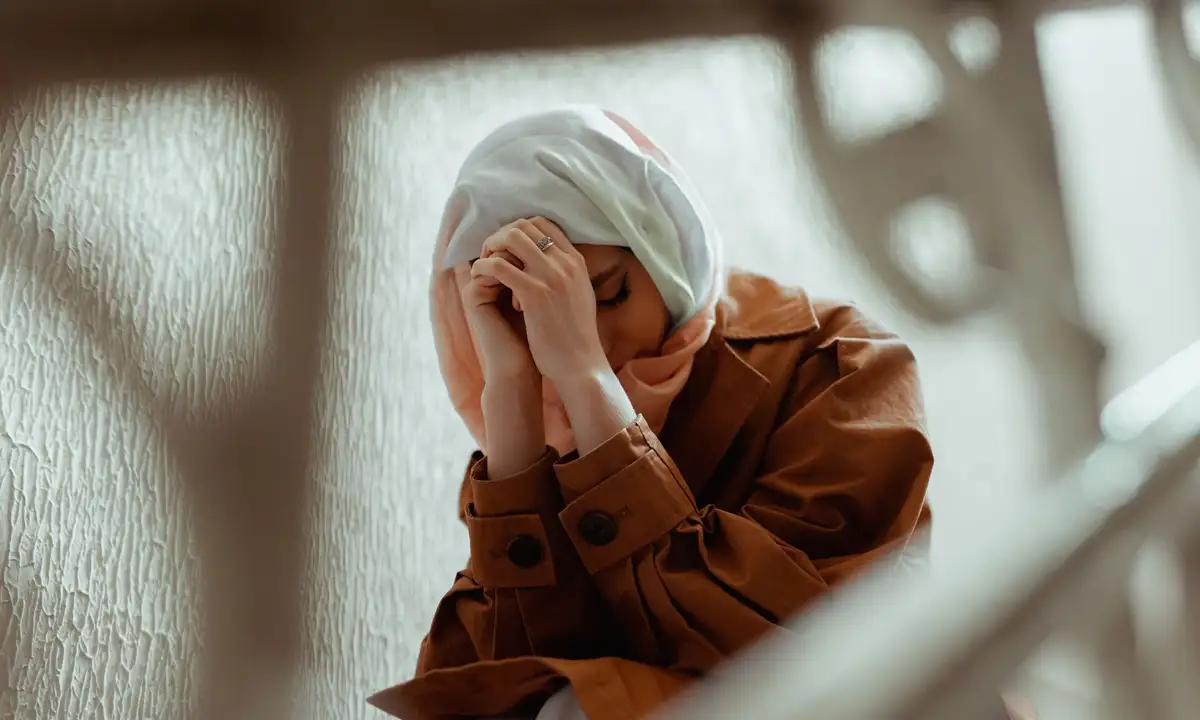
Again: each one of these has an everyday explanation that is far more likely. Aversion can come from accumulated resentment. Loss of intimacy can stem from stress, health, or unaddressed conflict. Nightmares can be anxiety. Religious decline can be burnout or unprocessed doubt. Suspicion can come from past betrayal or insecurity. A “wall” between spouses is, more often than not, simply the absence of communication and emotional safety.
We say this not to dismiss your pain, but to protect you from a kind of harm we see often: couples who skip the real work of repairing their marriage because they’ve convinced themselves the problem is purely spiritual and “out of their hands.”
That belief, however well-intentioned, can become an excuse to avoid the harder, more personal work of healing and it can delay the help that would have actually worked.

What to do, in order
- Start with honest self-reflection and open conversation with your spouse, if it’s safe to do so. Many marital struggles, once named out loud, lose much of their power.
- Seek marriage counselling or therapy. A good counsellor can help you see patterns you’re too close to see yourselves, and can distinguish ordinary relational breakdown from something more unusual.
- Strengthen your individual and shared connection to Allah Almighty, regardless of the cause. Consistent prayer, Qur’an recitation, dua, and dhikr are protective and beneficial whether or not sihr is involved, there is no harm in this step, ever.
- If concerns persist despite genuine effort, seek out a credible, qualified raqi or Islamic healer, someone known for sound aqidah, who relies strictly on Qur’an and authentic Sunnah, and who never asks for unusual payments, unlawful acts, or secrecy. Avoid anyone who diagnoses sihr immediately, without listening, or who pressures you into paid “removal” services.
- Treat counselling and ruqyah as companions, not competitors. Healing a marriage usually requires both the practical, relational repair and the spiritual reinforcement, not one instead of the other.
Learn to protect yourself, the right way
So much of the fear and confusion around sihr, ‘ain, and jinn comes from simply not knowing what’s authentic and what isn’t. Our Ruqyah course by SimplyIslam was built for exactly this, to teach you the Sunnah-based method of protection and treatment, rooted firmly in Qur’an and authentic hadith, so you’re never relying on guesswork, superstition, or unverified practitioners.
You’ll learn how to perform self-ruqyah, how to recognise genuine signs versus ordinary hardship, and how to protect your home and your marriage with knowledge instead of fear.
[Enrol in the Ruqyah Course →]
If you’re currently struggling in your marriage, please know that seeking help whether from a counsellor, a trusted elder, or a scholar, is not a sign of weak faith. It’s wisdom. Allah Almighty placed mercy between spouses (Surah Ar-Rum, 30:21), and that mercy is often rebuilt through patience, honest effort, and the right support, spiritual and practical together.