
There is an old Arabic idiom that has echoed through fourteen centuries of Islamic civilisation: Seek knowledge, even if it takes you to China.’
For the early Muslim community, this was not merely an inspirational phrase. It was a civilisational mandate. It set in motion one of the most remarkable educational traditions in human history — a tradition that would produce the world’s first universities, fill the libraries of Baghdad and Cordoba, and eventually reach the shores of the Malay Archipelago, where it took root in a form that shaped our community for generations.
At the heart of that tradition is an institution that many Singaporean Muslims know intimately, often with strong feelings: the madrasah.
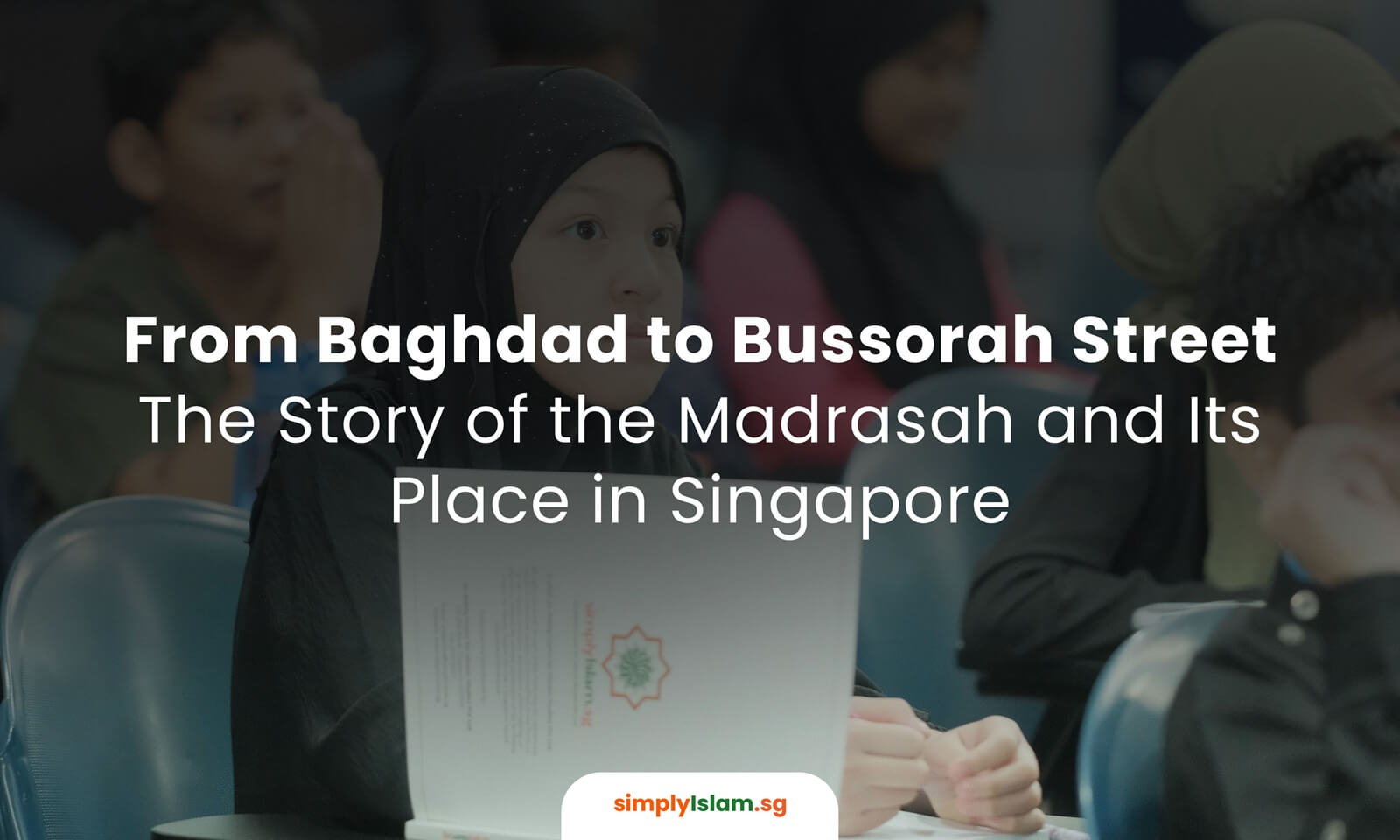
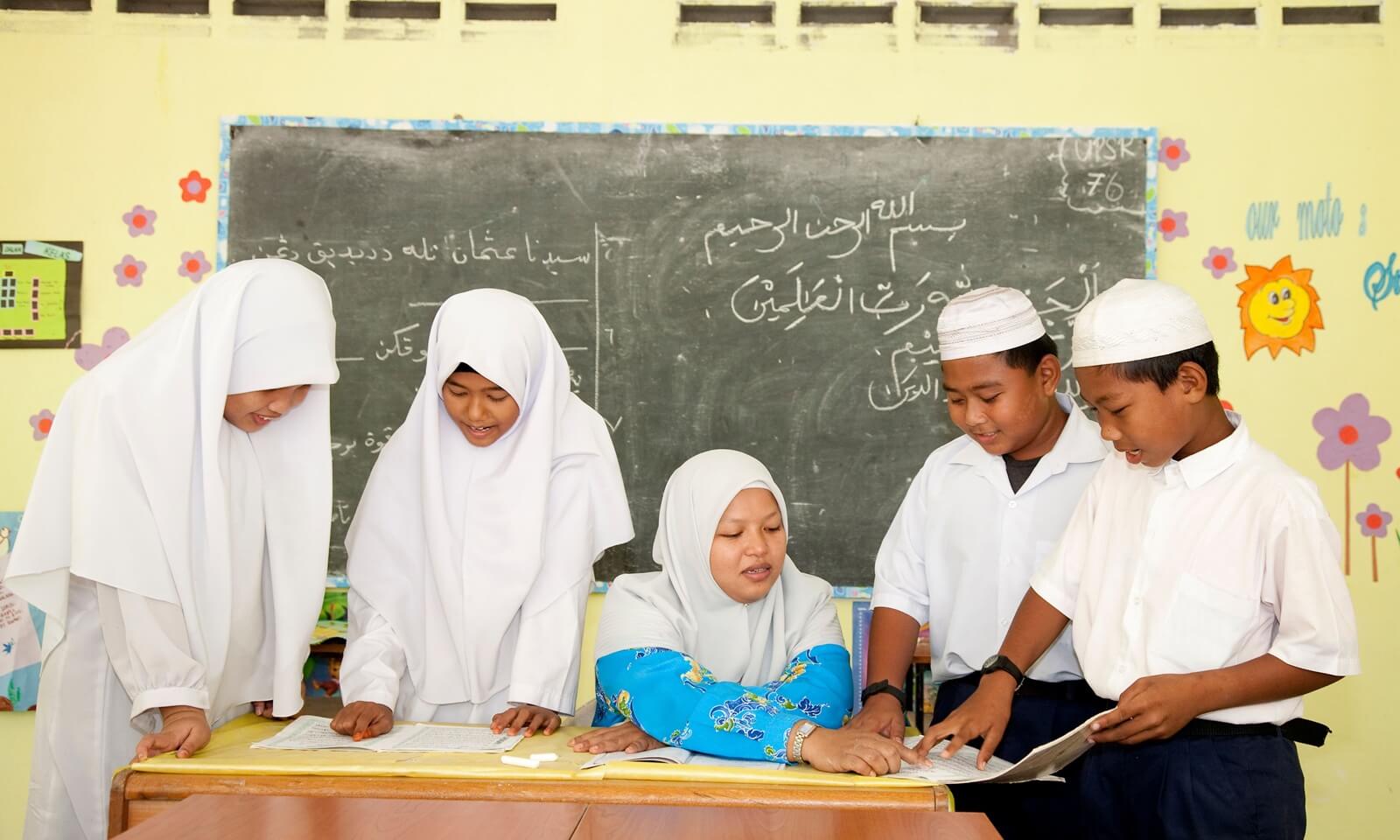
Today, Singapore has six full-time madrasahs. They are attended by hundreds of students — boys and girls pursuing a dual curriculum of Islamic studies and national academic subjects, sitting for the PSLE and O Levels alongside their counterparts in national schools. They are simultaneously celebrated as pillars of religious heritage and scrutinised as a test case for Muslim integration in a secular society.
But before we can understand the madrasah’s present, we need to know its past. And that past is extraordinary.
What Is a Madrasah?
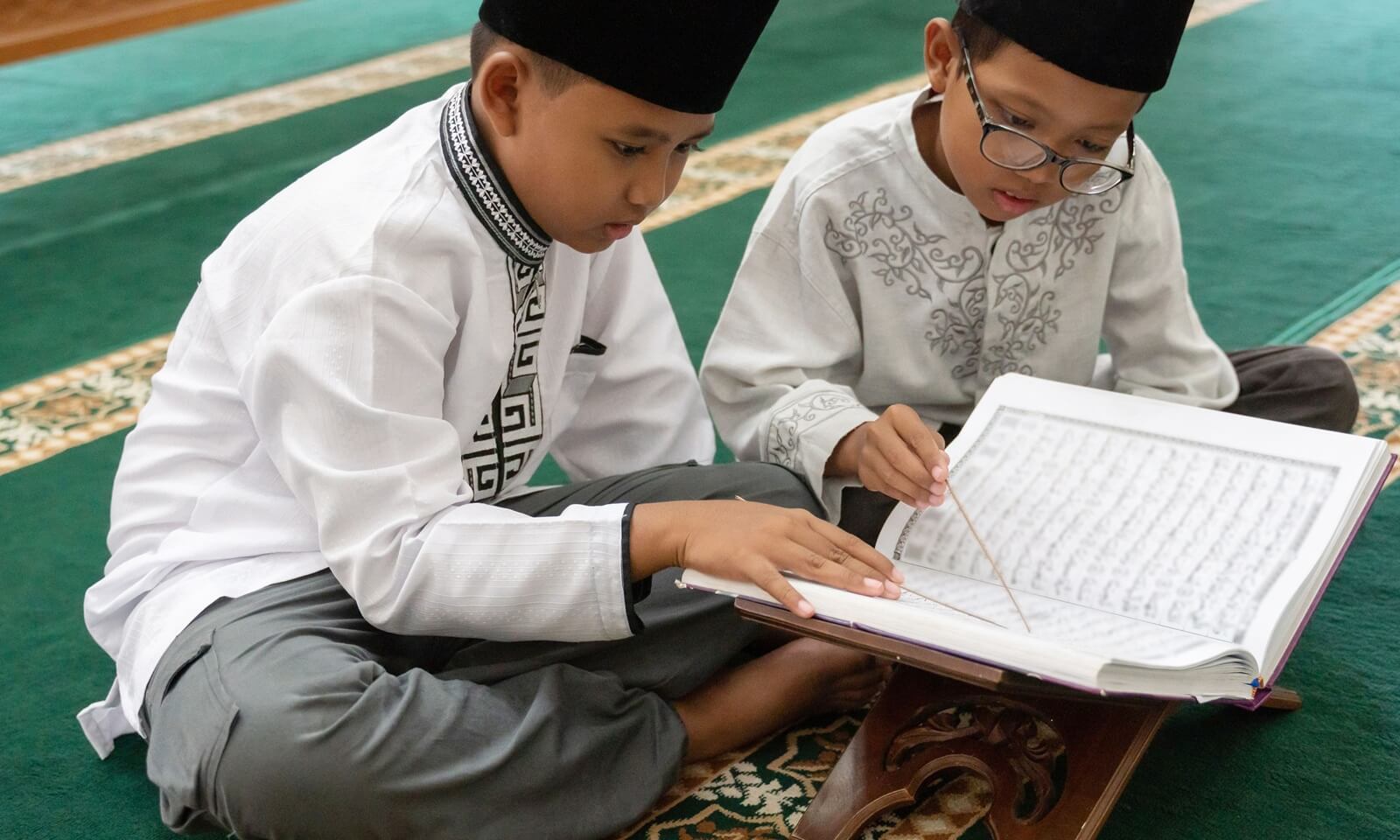
The word madrasah is Arabic, derived from the root darasa — ‘to study’. It simply means ‘a place of learning.’ The word itself carries no inherent religious connotation; in the Arabic language, even a secular school can be called a madrasah. But across the Muslim world — from Morocco to Malaysia — the madrasah has, over many centuries, come to mean something more specific: a school where Islamic knowledge is taught, preserved, and transmitted from teacher to student.
In Singapore, the word is used almost universally to refer to full-time Islamic religious schools. But as we shall see, the history of the madrasah is far richer and more varied than this simple definition suggests.
The Origins of Islamic Education: From Halaqa to Madrasah
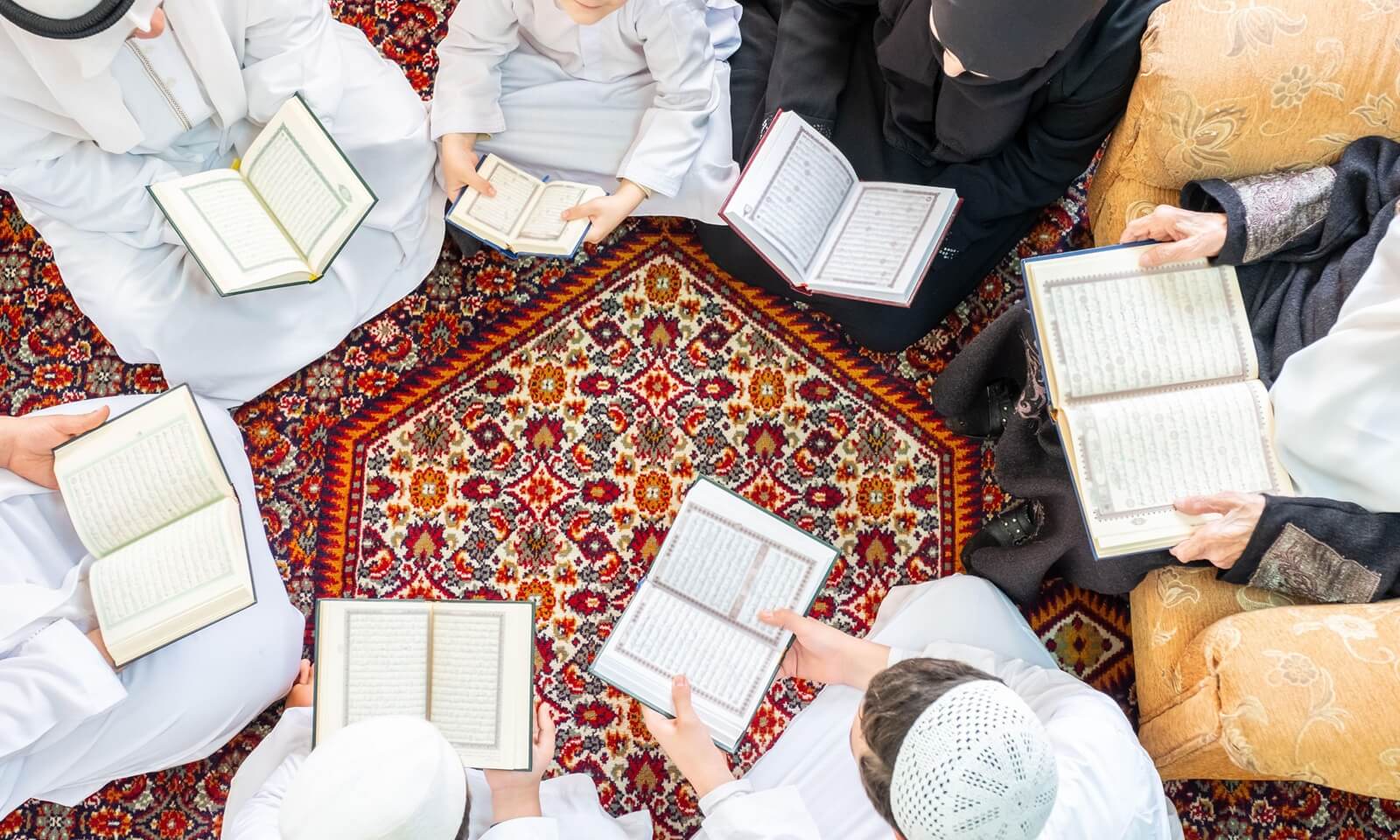
The earliest Islamic community did not have formal schools. The Prophet ﷺ himself taught his companions in intimate gatherings — sometimes in his home, sometimes in the mosque, sometimes beneath the open sky. His companions then transmitted what they had learned to others, in the same spirit of direct, personal knowledge transfer.
As Islam spread and the community grew, more structured forms of teaching emerged. The maktab was the first of these — a Quranic school where children would sit around a teacher and learn to memorise and recite the holy book. The halaqa (study circle) was another: informal gatherings in mosques where scholars and students would sit together in a ring, exploring Islamic law, theology, and Quranic interpretation. These two forms — the maktab and the halaqa — were the seedbed from which the madrasah eventually grew.
The mosque was Islam’s first university. The halaqa — a circle of scholars gathered around a great teacher — was its original classroom. The madrasah formalised and institutionalised what the mosque had always naturally done.
Nizam al-Mulk and the Birth of the Formal Madrasah
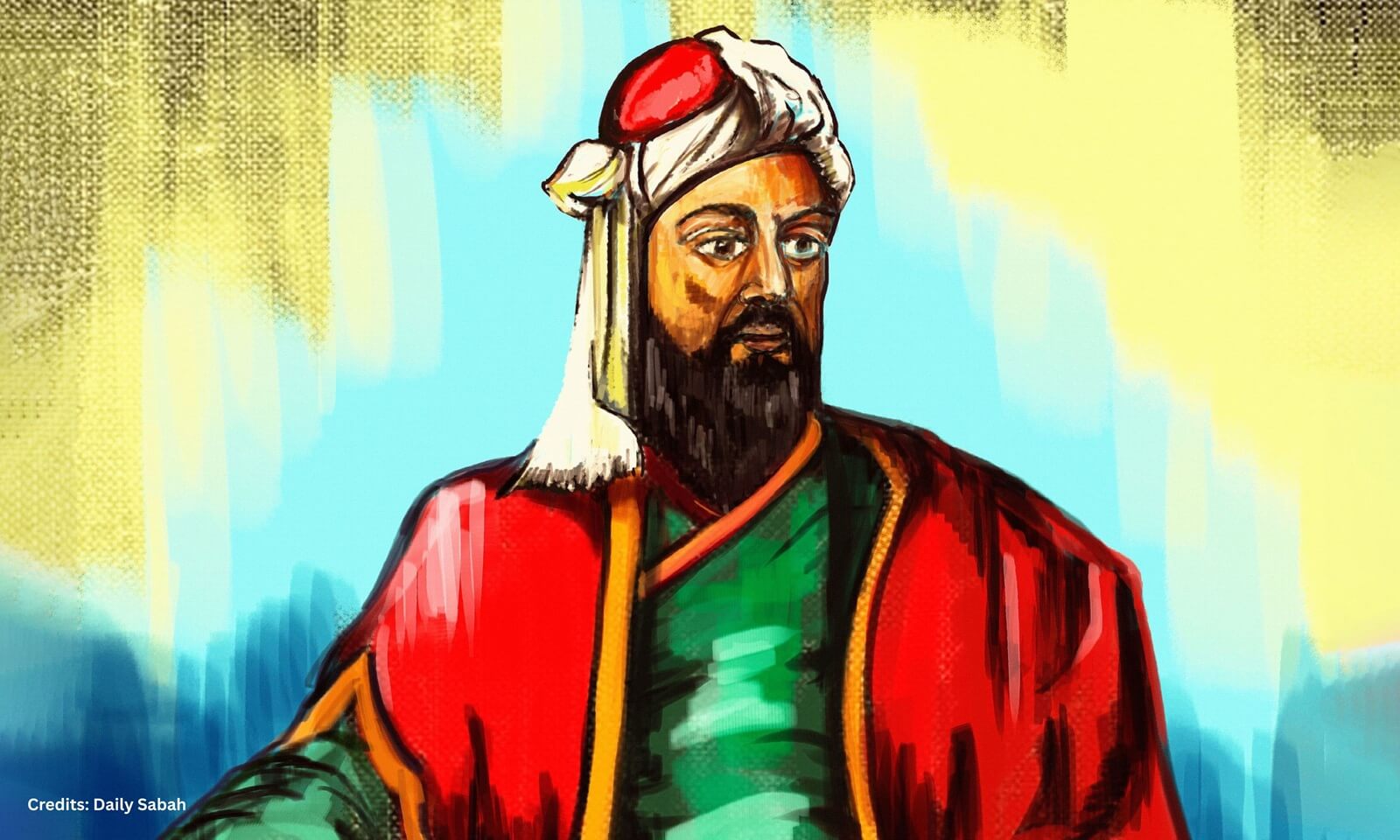
The madrasah as a formally established institution — with buildings, dedicated staff, structured curricula, and state funding — is generally traced to an extraordinary statesman of the 11th century: Nizam al-Mulk, Grand Vizier to two successive Seljuk Sultans. A man of immense political skill and deep Islamic piety, Nizam al-Mulk undertook one of the most ambitious educational projects in pre-modern history.
Beginning in the 1060s, he founded a network of madrasahs across Iraq and Khorasan — the region that is today Iran and Afghanistan. The crown jewel of this network was the Madrasah Nizamiyyah in Baghdad, established in 1065. It was, by the standards of its time, a magnificent institution: purpose-built, generously endowed with waqf (religious trust) funds, staffed by the finest scholars of the age, and offering stipends to students so they could study without financial worry.
The great scholar and theologian Imam al-Ghazali — one of the most influential minds in Islamic intellectual history — taught at the Nizamiyyah in Baghdad at the height of his fame. The institution’s reputation drew students from across the Muslim world.
Nizam al-Mulk’s vision was clear: he wanted to train a class of rigorous, orthodox Sunni scholars who could guide rulers, staff the judiciary, and counter the theological challenges posed by the Fatimid Shia movement, which had established its own formidable educational institutions — including what would eventually become Al-Azhar in Cairo. Education, in other words, was political, spiritual, and civilisational all at once.
| Key Milestones in Madrasah History
1065 — Madrasah Nizamiyyah founded in Baghdad by Nizam al-Mulk 12th century — Over 30 madrasahs operating in Damascus; similar numbers in Cairo 13th century — Al-Mustansiriya Madrasah established in Baghdad; madrasahs spread across Central Asia 14th century — Bu Inaniyya Madrasah established in Fez, Morocco; madrasahs span the full breadth of the Islamic world 1905 — Madrasah As-Sibyan established: Singapore’s first madrasah |
A World of Learning: The Madrasah Spreads Across the Muslim World
The success of Nizam al-Mulk’s institutions inspired imitation across the Islamic world. By the end of the 12th century, there were at least thirty madrasahs in Damascus and a similar number in Cairo. In Bukhara — the great intellectual city of Central Asia, now in modern Uzbekistan — institutions like the Mir-i-Arab Madrasah drew tens of thousands of students from across the Muslim world. In Morocco, the Bu Inaniyya Madrasah of Fez, founded in the mid-14th century, stands to this day as one of the finest examples of Islamic architecture and scholarship.
The madrasah’s role was not merely to produce religious scholars — though it did that with extraordinary success. The education it offered was, by the standards of the medieval world, comprehensive: theology and jurisprudence, Arabic language and literature, logic and philosophy, astronomy and medicine. Many of the great scientists and physicians of the Islamic Golden Age were products of this tradition. The madrasah, at its finest, was not a narrow religious school. It was an institution committed to the full flowering of human knowledge — knowledge understood, in the Islamic view, as always in service of knowing and obeying the Creator.
At its medieval height, the madrasah tradition produced Avicenna and Averroes, al-Ghazali and Ibn Khaldun — men whose thinking shaped not only Islamic but world civilisation. The madrasah was, for centuries, the world’s foremost engine of human learning.
Islam Comes to Singapore: The Foundations of a Community
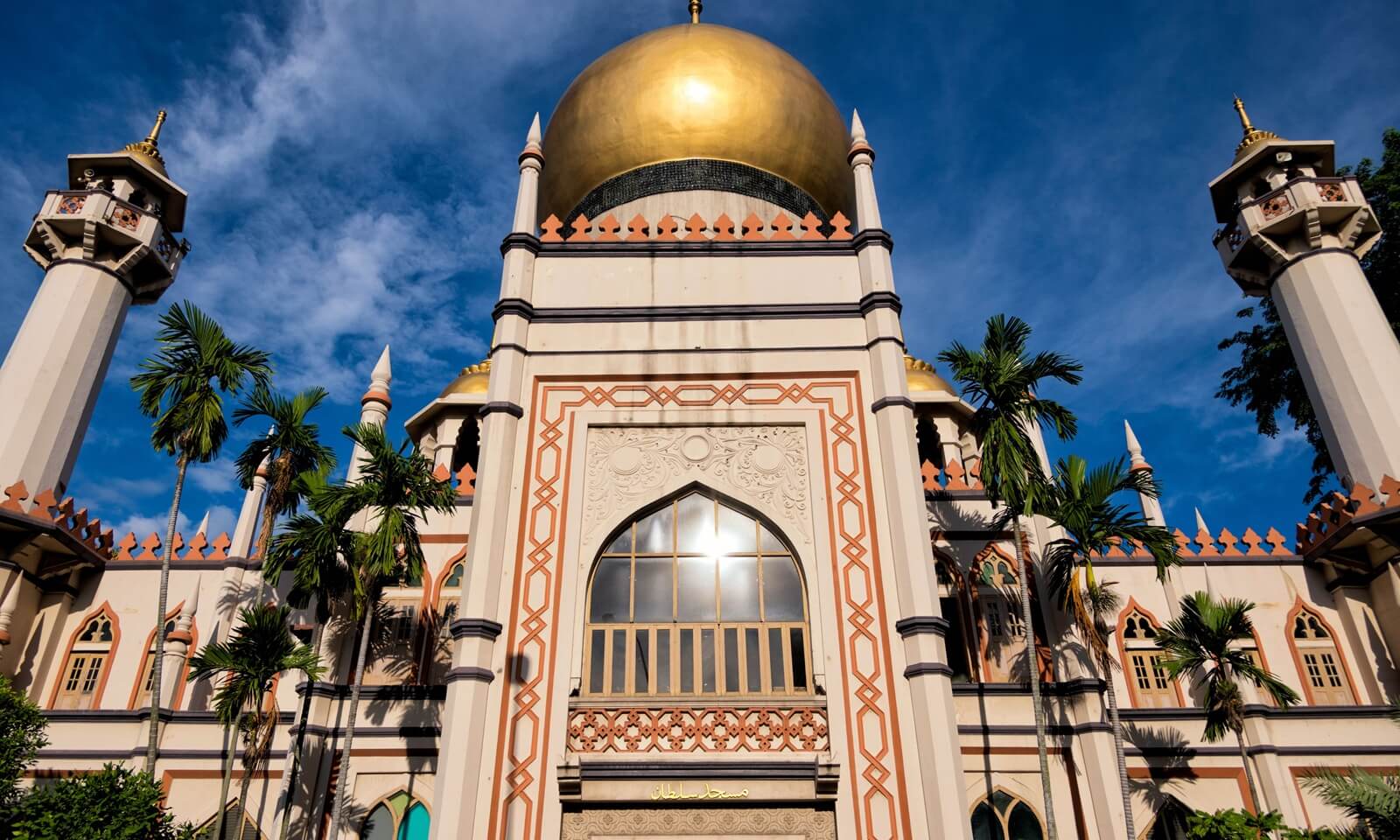
Islam has been present in the Malay Archipelago for over six centuries, brought by traders and scholars — largely Sufi practitioners from Hadramaut, Yemen, and India — who spread the faith through commerce, scholarship, and the sheer beauty of their character. By the time Stamford Raffles arrived in 1819 to establish a British trading post, there was already a well-established Malay-Muslim community on the island.
Singapore’s position at the crossroads of maritime trade routes made it something more than a commercial hub. From the 19th century onwards, it became a significant centre for Islamic scholarship and publishing in Southeast Asia. Pilgrims from across the Malay Archipelago stopped here on their way to Mecca for Hajj. Scholars settled here, students came to learn, and the community’s Arab-Muslim traders — particularly the Hadrami Arab families whose names still grace streets and institutions across Singapore — invested generously in religious education.
Today, according to Singapore’s latest census, Muslims make up 15.6% of Singapore’s resident population. The Malay community, of whom nearly all are Muslim, constitutes 13.5% of the resident population while the Indian Muslims and Arab Muslims, as well as smaller numbers of Chinese Muslims, converts, make up the rest.
Singapore’s Madrasahs: A History in Six Schools
The story of Singapore’s madrasahs is interesting — each one a product of its moment, its founders, and the tensions and aspirations of the Muslim community of its time. It is a story full of ambition, debate, revival, and resilience.
Madrasah As-Sibyan (1905): Where It Began
The first madrasah to be established in Singapore was Madrasah As-Sibyan, founded in 1905. Its origins were characteristically humble: an Indonesian religious teacher had been conducting informal Islamic classes at his home, and from that private initiative, a small school grew. It offered the traditional foundations of Islamic education — Quran recitation and memorisation, Arabic, and basic Islamic knowledge.
As-Sibyan no longer exists today. But its founding marks the beginning of a tradition that has endured for over a century — the tradition of Singapore’s Muslim community taking responsibility for its own religious education, institution by institution, generation by generation.
Madrasah Al-Iqbal (1908): The Reformist Experiment
Three years later, in 1908, came an institution that was altogether more ambitious — and, ultimately, more troubled. The madrasah, located at 107 Selegie Road, was founded by Syed Syeikh bin Ahmad Al-Hadi. Madrasah Al-Iqbal was the product of Islamic reformist movements that had been stirring in the Middle East, particularly in Egypt, where scholars like Muhammad Abduh and Rashid Rida were arguing that traditional Islamic education needed to be modernised and that Muslims needed to engage seriously with contemporary knowledge.
Al-Iqbal’s founders took this vision to heart. They recruited four teachers directly from Egypt, introduced an academic year with formal examinations, charged fees (when all other Islamic schools were free), and offered a remarkably ambitious curriculum: alongside Quran, Arabic, and Islamic subjects, students would study geography, history, mathematics, town planning, and English.
Apart from its departure from conventional religious education curriculum, Madrasah Al-Iqbal also strayed from other prevailing practices. The madrasah introduced, for the first time, the concept of a defined academic year and examinations were also introduced. It also had fees for different groups of students, when other Islamic schools including Madrasah As-Sibyan was completely free and relied completely on donations. The school also had plans to admit residential students who were to pay a hefty yearly fee.
It was, for its time and context, a radical programme — perhaps too radical. The school ran into financial difficulties almost immediately, faced resistance from religious traditionalists (kaum tua) uncomfortable with its reformist orientation, and struggled to attract students whose families were unfamiliar with the concept of fees for Islamic education. After just eighteen months, it relocated to Pulau Penyengat in Riau and effectively ceased to operate in Singapore.
Al-Iqbal’s short life is a cautionary tale about the gap between vision and context — about the danger of trying to implement too many changes too quickly in a community not yet ready for them. But its spirit, the conviction that excellent Islamic education and serious modern learning belong together, would eventually be vindicated.
Madrasah Alsagoff (1912): The First to Survive
The madrasah that would prove more durable was founded in 1912 by Syed Mohamed bin Ahmed Alsagoff, a member of one of Singapore’s most prominent Hadrami Arab families. The Alsagoffs had long been among the most generous supporters of the Muslim community in Singapore, endowing mosques, schools, and waqf properties that benefited Muslims across ethnic lines.
The madrasah began in the Alsagoff family home, where informal religious classes had been held for some time. When it was formally established, it offered a curriculum that included English, Malay, and Islamic subjects — and, unlike its predecessor, it was free. The land and funds came from the founder’s personal endowments.
In 1913, the madrasah was officially opened by the then Governor of the Straits Settlements, a remarkable recognition for an Islamic religious school in colonial Singapore. From the beginning, it was explicitly intended to serve all Muslims, not only the Arab community, and its early years were marked by strong demand, particularly from Singapore’s significant Arab population.
The school experienced difficult periods — enrollment dropped sharply in the early 1920s — but recovered and grew. By the 1940s, it had 500 students, both boys and girls. Madrasah Alsagoff remains open today, making it the oldest continuously operating Islamic religious school in Singapore.
Madrasah Aljunied (1927): A School That Shaped a Region
If any single institution represents the golden age of Singapore’s place as a centre of Islamic learning, it is Madrasah Aljunied, established in 1927 by Syed Abdul Rahman bin Junied Aljunied.
Aljunied began with 56 students from Singapore, Malaya, Indonesia, and beyond. From its earliest days, it was distinguished by an unusual commitment to Arabic excellence: Malay was not taught, and students were not even permitted to speak Malay within the school. Penalties were imposed for violations of this rule. The result was graduates with an exceptionally high standard of classical Arabic, and a regional reputation that drew students from across Southeast Asia.
Before the Second World War, nearly half of Madrasah Aljunied’s students came from abroad — from the Malay states, Indonesia, the Philippines, and Brunei. A boarding house was provided for these overseas students. Singapore was, quite genuinely, a regional hub of Islamic higher learning, and Aljunied was its flagship.
The school’s alumni list reads like a directory of Muslim leadership in the region: senior politicians, religious officials, educators, scholars, and public figures across Singapore, Malaysia, and Brunei. Its graduates have served as muftis, ministers, professors, and community leaders across the region — a testament to what genuine educational excellence, rooted in Islamic knowledge, can produce. Students of Madrasah Aljunied became successful not just in the field of religion and education but also in politics and trade as well. The madrasah was the alma mater of many notables, among them being:
- Tan Sri Syed Jaffar Albar (1914-1977, politician from Malaysia’s UMNO)
- Haji Abdullah Zawawi (former Secretary-General of Parti Se-Islam or PAS)
- Syed Isa Semait (former Mufti of Singapore)
- Syed Ali Redha Alsagoff (prominent member of the Muslim community in Singapore)
- Sulaiman Jeem (Singaporean journalist and writer)
- Zain bin Haji Serudin, Pengiran Mohammad Abdul Rahman & Dr Haji Mohd Zain (all former Ministers for Religious Affairs in Brunei)
- Ustaz Dr Hj Awang Abdul Aziz Bin Juned (current Mufti of Brunei)
- Ustaz Hassan bin Haji Azhari (Malaysian scholar and expert in Qur’an)
- Dr Naziruddin Nasir (current Mufti of Singapore)
Madrasah Aljunied continues to operate today, maintaining its tradition of rigorous Arabic and Islamic studies while adapting to Singapore’s contemporary educational framework.
Madrasah Al-Maarif (1936): The Pioneer of the Modern Islamic School
In 1936, the renowned educator and theologian As-Syeikh Muhammad Fadlullah Suhaimi — who had studied in Egypt and absorbed the reformist ideas of Muhammad Abduh — founded Madrasah Al-Maarif with a vision that would prove ahead of its time.
Al-Maarif was the first madrasah in Singapore to admit girls from its founding, beginning with approximately 60 male and female students. It taught English, Malay, Domestic Science, and Mathematics — subjects that, in the 1930s, were still considered unconventional for an Islamic school. By 1976, as male enrolment declined, the school became an all-girls institution.
Sheikh Suhaimi’s genius was in understanding both what needed to change and what needed to be preserved. He had seen what happened to Madrasah Al-Iqbal — closed after barely eighteen months because it moved too far, too fast. He was careful to retain the traditional core of Islamic education that gave the community confidence in the school’s religious credentials, while quietly integrating the modern subjects that he believed Muslim students needed.
In 1971, Madrasah Al-Maarif became the first madrasah in Singapore to prepare students for the GCE Ordinary Level Cambridge Examinations — and the following year, for the Advanced Level. Today, it remains Singapore’s only all-girls madrasah and is widely recognised as one of the most progressive and academically successful in the country.
The Three Remaining Schools
Madrasah Al-Arabiah Al-Islamiah has its roots in an unofficial Islamic school that operated within the compounds of the Haji Mohd Yusoff Mosque from the late 1930s. By the late 1980s it had dwindled to just six students and a single teacher. The Muslim organisation Muhammadiyah stepped in to preserve and formalise it, and today it operates as part of Muhammadiyah’s educational infrastructure.
Madrasah Wak Tanjong Al-Islamiah was established in 1955 as a small, family-based Islamic religious school. Though its early history is not extensively documented, it has grown steadily and now operates from a purpose-built facility, maintaining a faithful commitment to Islamic education in its neighbourhood.
Madrasah Al-Irsyad Al-Islamiah was founded in 1947 but fell into severe difficulty over the decades that followed. By the 1990s, it was on the verge of closure. MUIS intervened to revitalise it, and the school has since been significantly rebuilt — both physically and educationally — as part of Singapore’s broader effort to strengthen its madrasah sector.
The Modern Era: MUIS, the Compulsory Education Debate, and the Joint Madrasah System
When Singapore became an independent nation in 1965, it inherited a collection of madrasahs in various states of health. Many more had already closed during the colonial period as mainstream secular education expanded. By 1962, there had been 28 full-time registered madrasahs in Singapore. Today there are six.
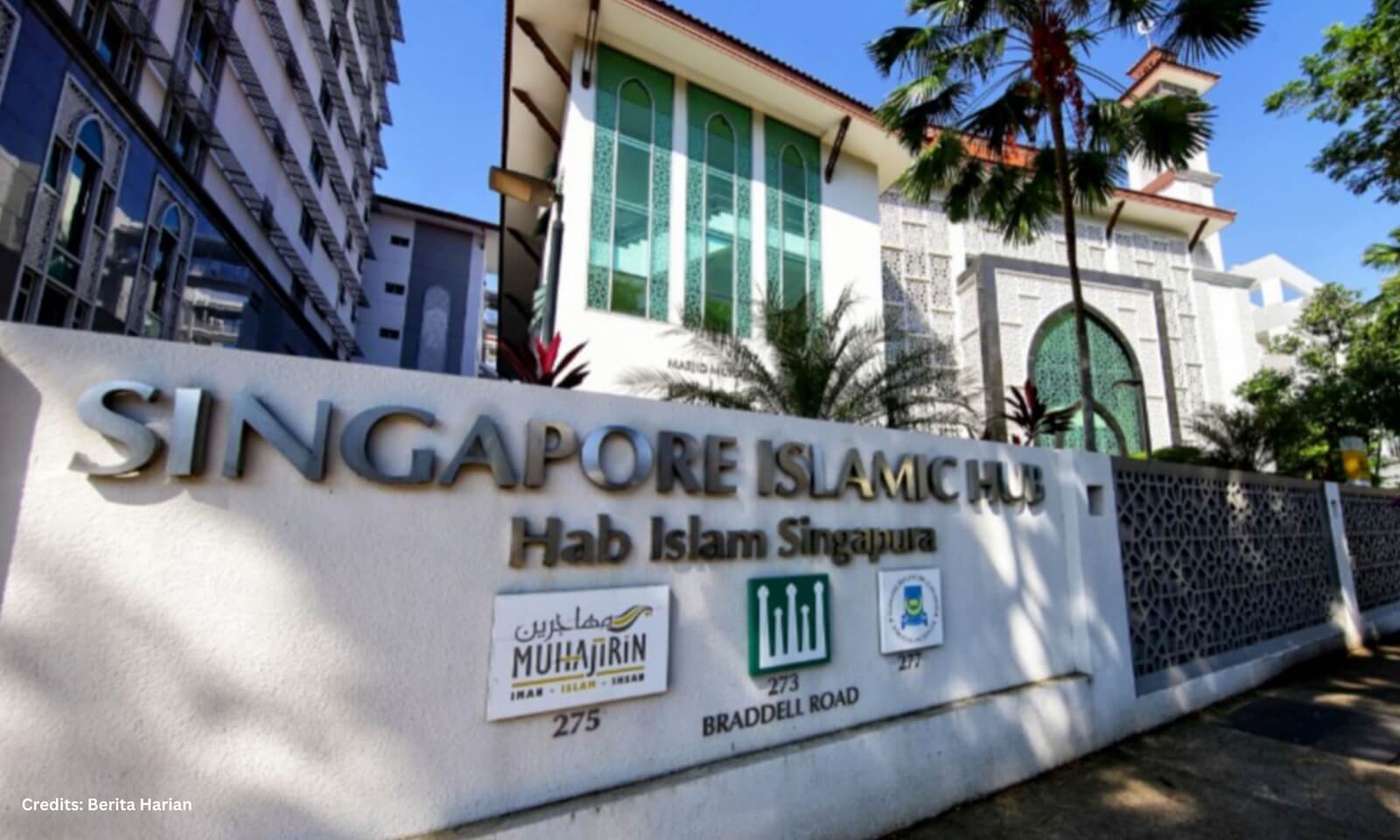
The Administration of Muslim Law Act (AMLA), which came into force in 1966, gave statutory form to establish in 1968 the Majlis Ugama Islam Singapura (MUIS) or the Islamic Religious Council of Singapore. MUIS took on responsibility for mosques, halal certification, Hajj administration, zakat collection, and waqf management. It also assumed oversight of the madrasahs.
For most of the following decades, the relationship between the madrasahs and the state was managed at a respectful distance. But by the late 1990s, this changed. Government leaders began to express serious concerns about whether madrasah graduates were being adequately prepared for economic participation in Singapore’s increasingly knowledge-based economy. The then-Minister of Education raised the question of whether students educated primarily in religious subjects would be able to find good jobs and integrate into Singapore society. Then-Prime Minister Goh Chok Tong put it directly: the issue, he said, was not the future of madrasahs — it was the future of Muslim children.
The community’s response was complex and varied. While the madrasahs had produced religious scholars, judges, teachers, politicians, and community leaders, there was also honest acknowledgment within the community that some graduates faced genuine challenges in the job market, and that the integration of secular and religious education could be done better.
The madrasah debate in Singapore was never really about whether to have Islamic education. It was about how to make that education as excellent as possible — for the students, for the community, and for the nation.
The Joint Madrasah System (JMS) was introduced by MUIS in 2007, under which, three of Singapore’s madrasahs took on complementary and differentiated roles. Madrasah Al-Irsyad became the primary-level feeder school, admitting students and ensuring they completed their PSLE alongside their Islamic curriculum. Madrasah Aljunied offers a religious track at secondary level, preparing students who wish to pursue advanced Islamic studies — including at Al-Azhar University in Cairo. Madrasah Al-Arabiah Al-Islamiah provides an academic track, offering an Islamic educational environment for students pursuing national curriculum qualifications up to O Level or Normal Level.
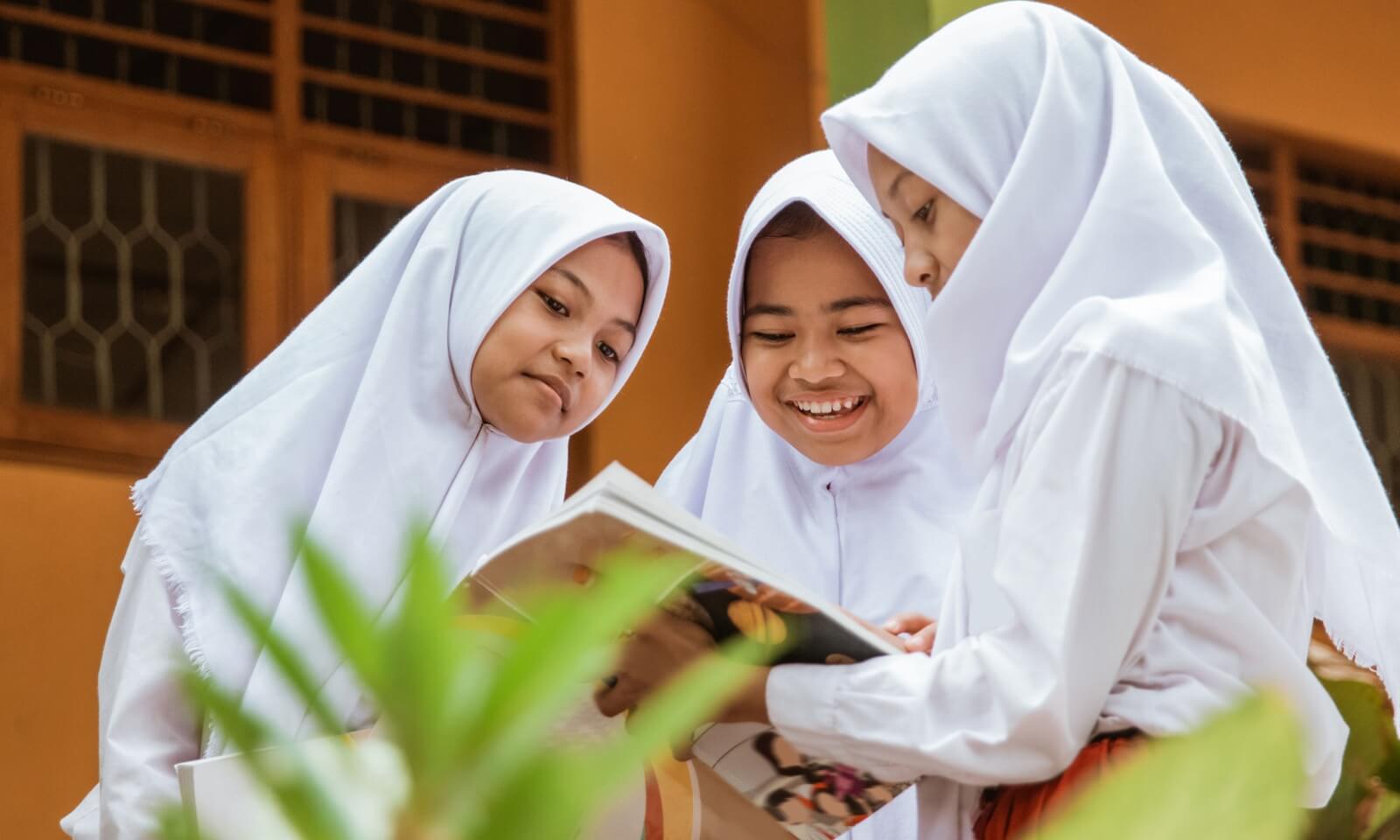
The results have been encouraging. In 2024, 333 out of 334 Primary 6 madrasah students — a remarkable 99.7% — passed their PSLE. Over the past decade, madrasahs have consistently cleared the PSLE benchmark under the Compulsory Education Act. The students sitting in these classrooms are receiving both rigorous Islamic education and competitive national academic qualifications.
Today’s Madrasahs: Who Are They For?
It is worth being honest about why many Muslim families in Singapore choose madrasah for their children — because the reasons are more varied than the policy debate often acknowledges.
For some families, the motivation is primarily religious: they want their children to have a deep, serious grounding in Islamic knowledge, Arabic language, and Quranic studies that is impossible to obtain within the national school curriculum.
For others — particularly parents of girls — the choice of madrasah is significantly shaped by the fact that it is the only school environment in Singapore where young Muslimahs may wear the hijab from primary school onwards. As long as the hijab is not permitted in national schools, madrasah will remain the preferred choice for some devout families regardless of other considerations.
For yet others, the appeal is the holistic Islamic environment: an educational setting shaped by Islamic values, where the rhythm of the school day includes prayer, where Islamic character is modelled by teachers and expected of students, and where the culture of the school reinforces rather than challenges the values of the home.
MUIS describes the role of madrasahs as developing ‘future religious teachers, religious officials, and religious leaders who, in order to play an effective role, must understand the context of Singaporean society within which they will function’, acknowledging the need to embed religious learning in Singapore’s contextual reality.

Looking Ahead: A New Chapter in Singapore’s Islamic Education
The most significant development on the horizon for Islamic education in Singapore is the Singapore College of Islamic Studies (SCIS). Scheduled to commence in 2028, SCIS will be the first dedicated Islamic higher education institution in Singapore — offering post-secondary education that combines Islamic scholarship with the skills and perspectives needed for contemporary religious leadership. More on the SCIS in the blog article “Learned in Text, Literate in Context”.
What the Madrasah Means to Our Community
After more than a century of history — of founding and closing, of reform and resistance, of policy debate and community resilience — what does the madrasah mean to Singapore’s Muslim community today?
It means, first of all, continuity. The madrasahs are the living link between our community’s present and the centuries of Islamic scholarship that preceded us. When a student at Madrasah Aljunied recites Arabic grammar rules first codified by medieval grammarians, or when a student at Al-Maarif studies fiqh from classical texts, they are participating in a chain of knowledge that stretches back to the Prophet’s companions and forward to the scholars who will serve our community in the decades to come.
It means investment. Every Muslim family that sends a child to madrasah, every donor who supports a school’s operating costs, every teacher who could earn more elsewhere but chooses to serve the community — they are all making a statement that Islamic knowledge is worth sacrificing for.
It means aspiration. The debates about madrasahs — about academic standards, about integration, about the hijab, about the balance between religious and secular education — are debates about what we want for our children and our community. They are worth having, and having honestly.
And it means possibility. The 99.7% PSLE pass rate of 2024 shows that our madrasah students can excel by any standard Singapore sets. The coming Singapore College of Islamic Studies shows that the community’s ambitions for Islamic education are still growing. The legacy of scholars like those who taught at and graduated from Madrasah Aljunied — who went on to lead religious, political, and civic institutions across the region — shows what Islamic education at its finest can produce.
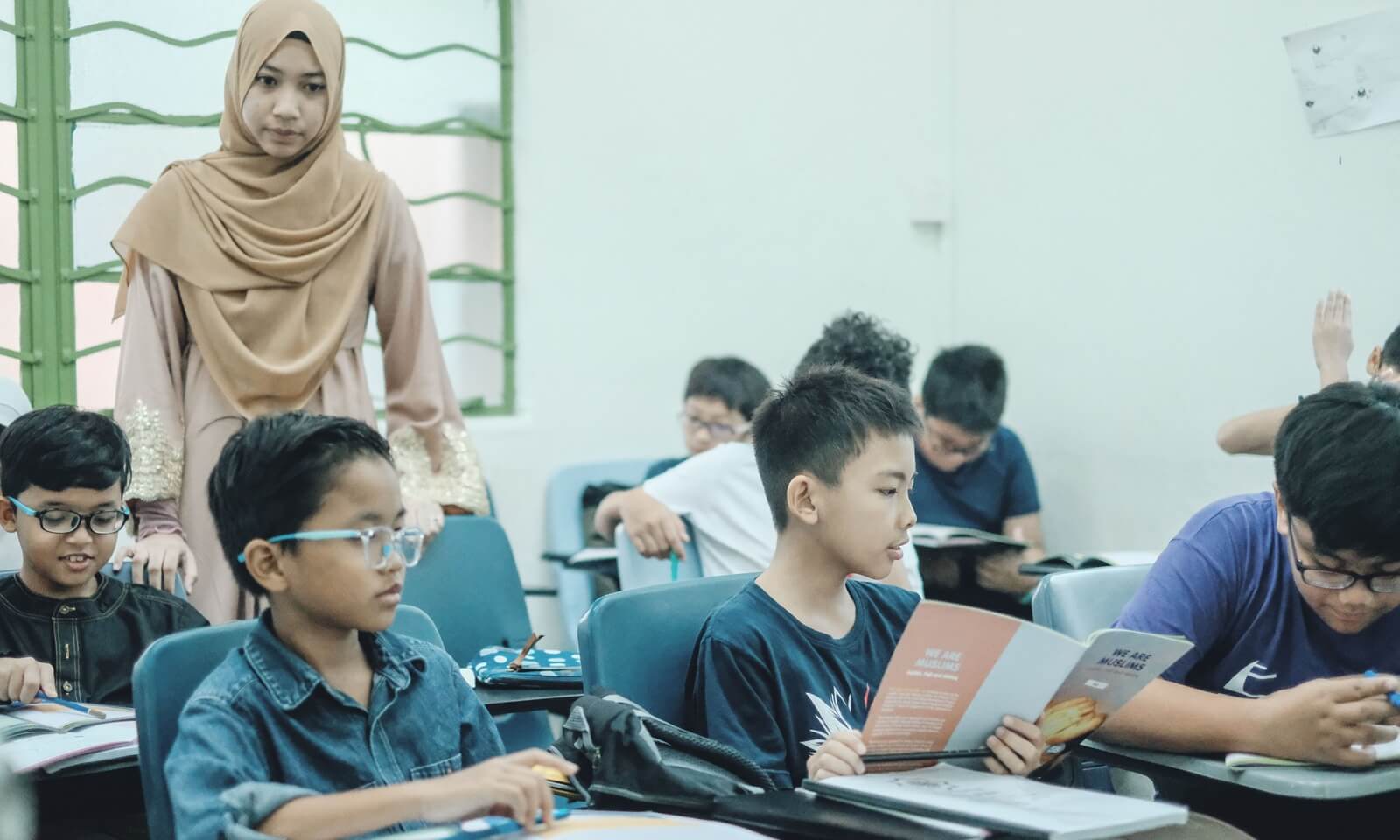
SimplyIslam has, for nearly twenty years, been part of Singapore’s Islamic education landscape — providing weekend madrasah programmes that complement the national school curriculum and offering an Islamic education to the many families for whom full-time madrasah is not the right choice. We do this work with deep respect for the full-time madrasahs and their century-long tradition. Afterall, our asatizah teaching at SimplyIslam are all graduates of our local madrasahs. Essentially, we are different expressions of the same commitment.
That commitment is simple: that every Muslim child in Singapore deserves to know their faith — not just its rules, but its beauty, its depth, its history, and its power to shape a life of purpose and meaning. The madrasah, in all its forms, exists to make that possible.
May Allah bless our madrasahs, their teachers, their students, and their families — and may He grant our community the wisdom and will to keep investing in Islamic knowledge, now and for the generations to come. Ameen.