
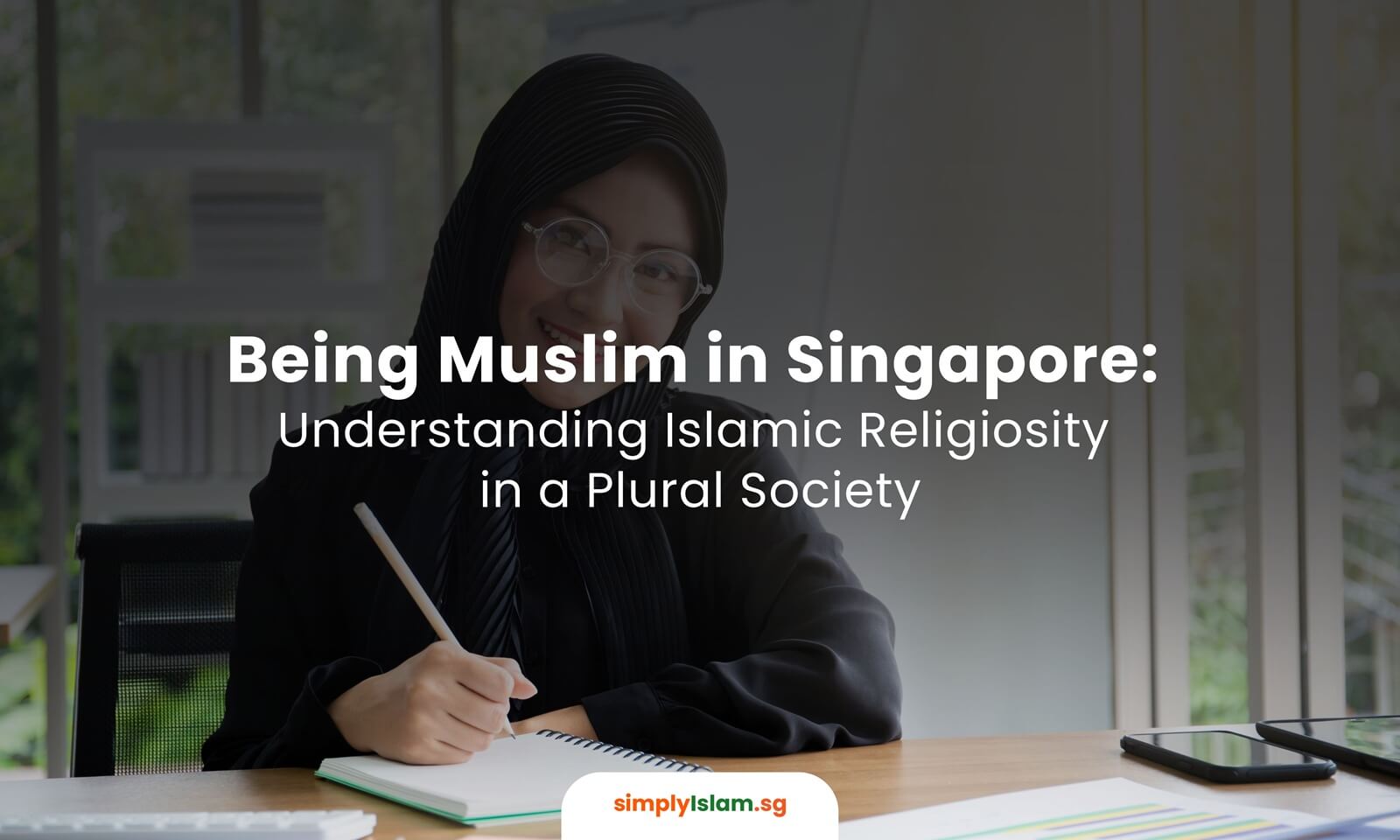

What does it mean to be a Muslim in Singapore in the 21st century? To live as a minority faith community in one of the world’s most diverse, secular, and rapidly changing cities? To hold on to a 1,400-year-old religious tradition while navigating the demands of modern professional life, digital culture, and a pluralistic public square?
These are not abstract theological questions. They are the lived questions of every Muslim family in Singapore — questions that parents wrestle with when raising children, that young people grapple with as they navigate education and career, that community leaders face as they try to serve a community whose needs and challenges are constantly evolving.
Understanding Islamic religiosity in the Singapore context — where it comes from, what shapes it, and where it is heading — is one of the most important conversations our community can have.
The Deep Roots of Islam in This Region
Islam in Singapore did not begin with independence in 1965, nor with the arrival of British colonial administration in 1819. It has been the faith of the Malay Archipelago for over six centuries. Islam arrived in this region through traders and scholars — largely Sufi practitioners from Yemen, India, and Persia — who spread the faith peacefully along the maritime trade routes that connected the Indian Ocean world.
By the 13th century, Muslim communities were established in ports throughout the region. The great Sultanate of Melaka in the 15th century became a centre of Islamic scholarship and commerce, drawing traders and pilgrims from across the Muslim world. The Hajj journey, undertaken by Malay pilgrims for centuries, was not merely a religious obligation; it was also a pathway for knowledge, bringing home scholars, books, and spiritual traditions that enriched the community.
Islam has been the faith of this region for over 600 years. Singapore’s Muslim community is not a transplant — it is the continuation of one of the oldest and most vibrant expressions of Islam in the world.
Most Malay Muslims in Singapore and Southeast Asia follow the Shafi’i school of Islamic jurisprudence and the Ashari theological tradition — the same tradition that has been dominant in this region for centuries. Many also have connections to one or more of the great Sufi spiritual orders. Some may not even realise that part of their readings at Mosques, like maulid, ratib and tahlil, are actually recitals and activities of one or more of these Sufi orders. This is our heritage, and it is a rich one.
Managing Religious Life in a Plural Singapore
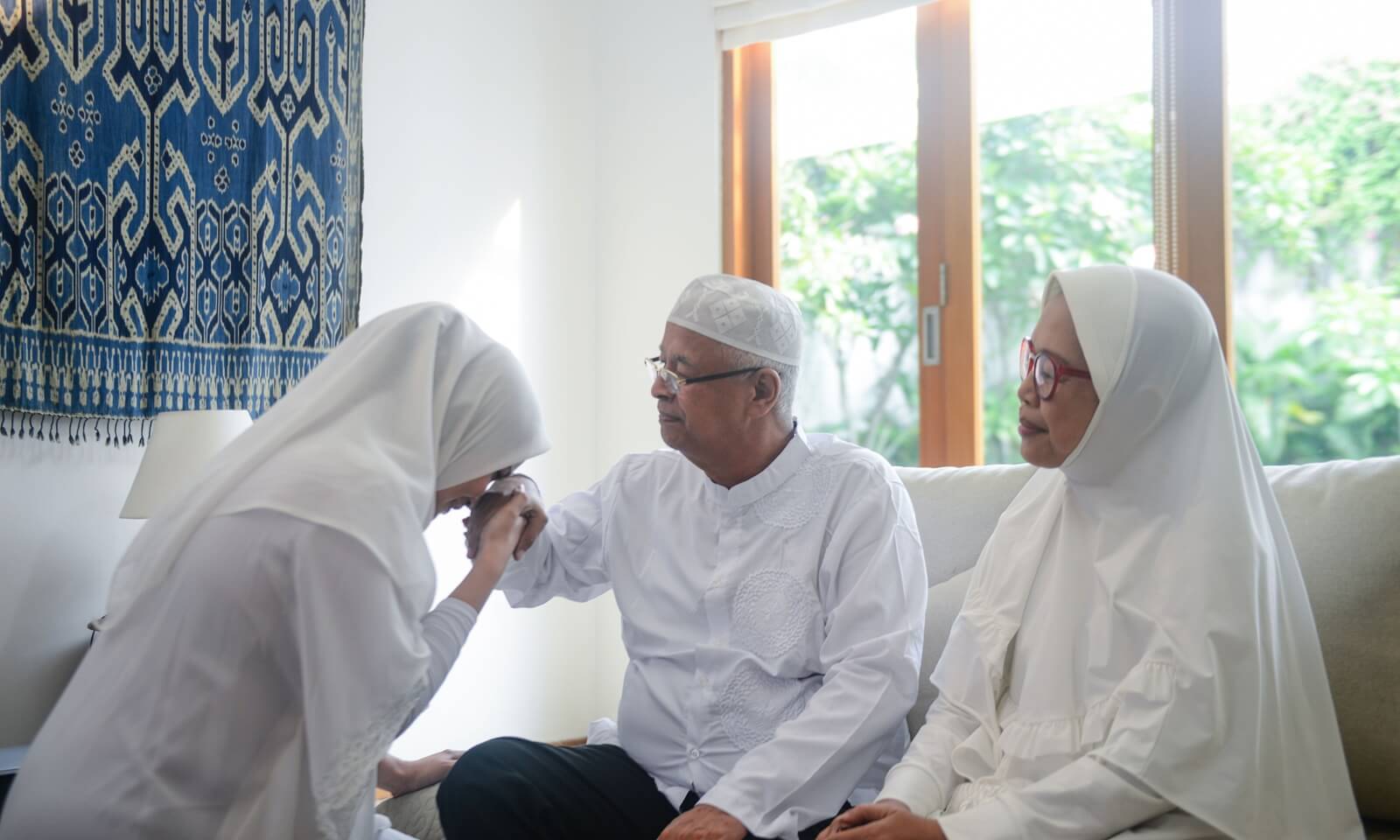
Singapore’s approach to managing religious diversity is, by global standards, remarkable. The government maintains a careful balance between protecting freedom of religion and preventing religious conflict. Constitutional provisions protect the rights of Malay Muslims specifically, and the Administration of Muslim Law Act (AMLA) provides a legal framework for the governance of the Muslim community.
Institutions like MUIS (the Islamic Religious Council of Singapore) play a crucial role in providing religious guidance, training religious teachers and asatizah, managing mosques, and ensuring that the Muslim community’s religious needs are met within Singapore’s legal framework. The Asatizah Recognition Scheme ensures that those who teach Islam in Singapore meet recognised standards of knowledge and character.
These institutional arrangements reflect a distinctly Singaporean solution to the challenge of managing religious life in a diverse society. They are not perfect — no human institution is — but they represent a serious and sustained effort to enable the Muslim community to practise its faith with integrity and confidence.
The Diversity Within Singapore’s Muslim Community
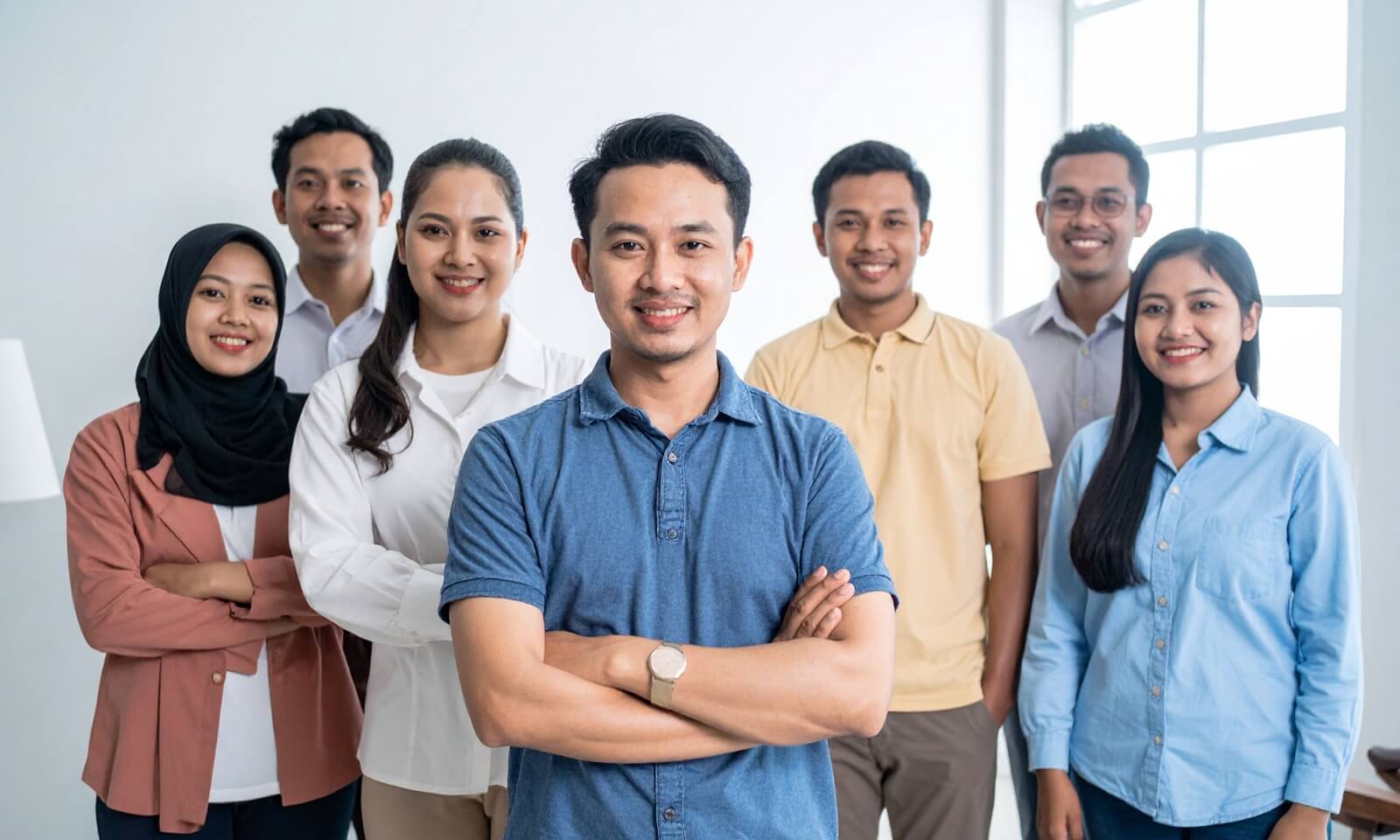
One of the things that makes Singapore’s Muslim community so fascinating is its remarkable diversity. While Malay Muslims form the largest group, Singapore’s Muslim community also includes significant populations of Indian Muslims (Tamil, Punjabi, Bengali, and others), Arab Muslims — many of them descendants of Hadrami scholars and merchants who arrived centuries ago and played a crucial role in spreading Islam throughout the region — and Chinese Muslims, whose community has its own distinctive history and cultural expression.
Each of these communities brings its own cultural traditions, linguistic heritage, and religious emphases to the common table of Singaporean Islam. This diversity is a source of richness — and sometimes of tension. Managing it wisely, ensuring that what unites us (our common faith, our shared citizenship, our commitment to the common good) is stronger than what divides us, is an ongoing task.

Challenges and Pressures Facing Singapore’s Muslims
The Muslim community in Singapore faces a range of significant challenges in the contemporary period. Perhaps the most fundamental is the challenge of maintaining religious identity and practice in a highly competitive, secular, and materialistic environment.
Young Singaporean Muslims face intense pressure to succeed academically and professionally. The demands of school, work, and social life can crowd out time for religious learning, prayer, and community engagement. The digital revolution has brought both opportunities — unprecedented access to Islamic knowledge — and threats, including exposure to extremist ideologies, materialism, and the erosion of traditional community bonds.
Questions of religious identity are particularly acute for younger Singaporean Muslims. Research on Islamic religiosity in Singapore suggests that while many young Muslims maintain their religious practice, there are concerns about the depth of theological understanding and the vitality of spiritual life. Knowing how to pray is not the same as understanding why we pray. Following halal dietary rules is not the same as understanding the wisdom embedded in Islamic law.
Among the most formidable challenges facing Singapore’s Muslim community is not discrimination or marginalisation. It is the internal challenge of maintaining a living, thoughtful, and spiritually vibrant faith in a society that offers many distractions.
What a Vibrant Islamic Religiosity Looks Like
Genuine Islamic religiosity, as opposed to mere cultural identification or performative observance, has always been characterised by several dimensions. It involves correct belief (aqidah) — understanding who Allah is, the nature of revelation, and our relationship with the divine. It involves proper practice (fiqh) — the authentic performance of acts of worship and the application of Islamic ethics in everyday life. And it involves spiritual depth (ihsan) — the cultivation of a living inner relationship with Allah, characterised by sincerity, humility, gratitude, and love.
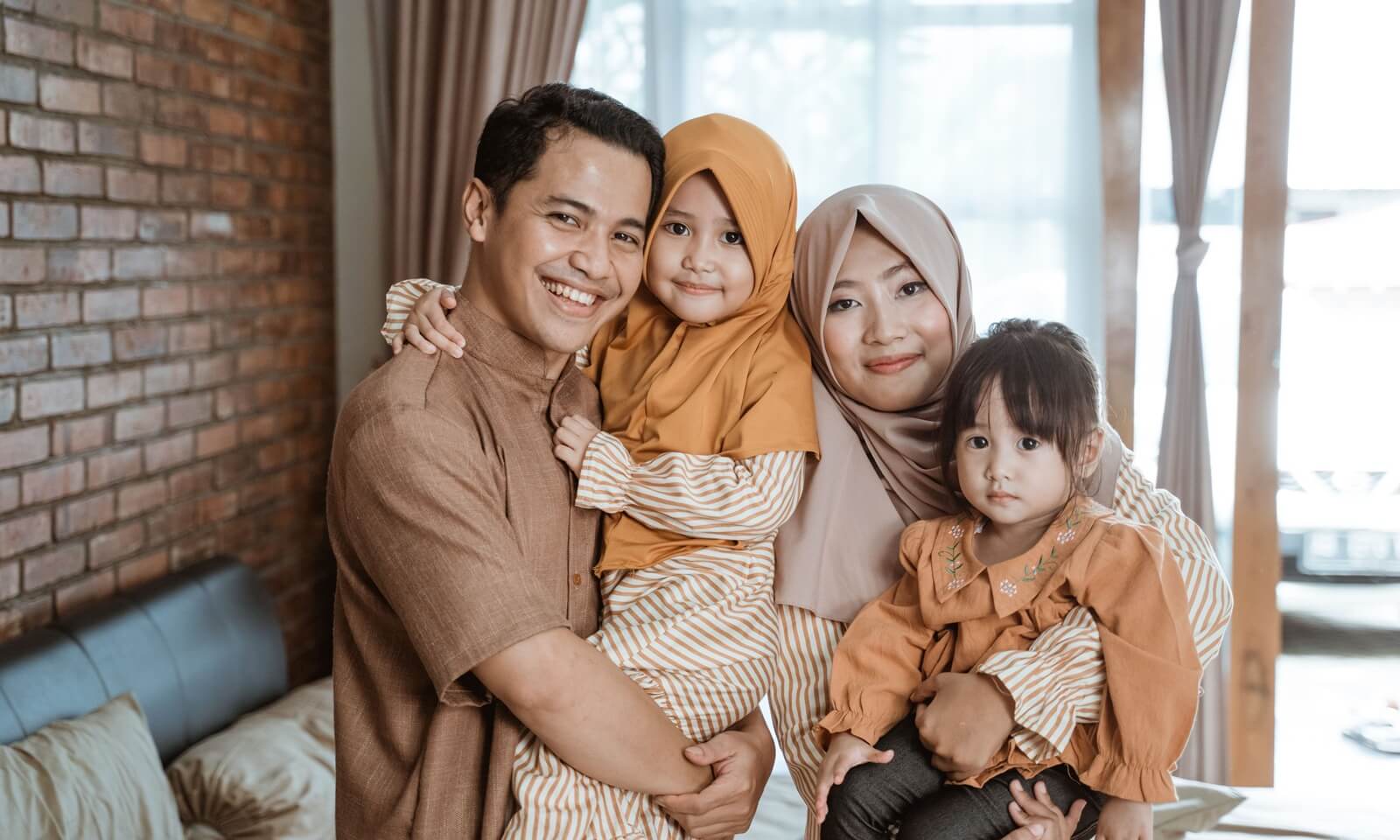
A religiously vibrant Muslim community is not necessarily one where the most rules are followed most strictly. It is one where people genuinely understand their faith, are spiritually alive, and are visibly contributing to the wellbeing of their families, their neighbours, and their society. It is a community that produces scholars and professionals, artists and businesspeople, all animated by Islamic values of excellence, integrity, and service. What drives this outward contribution is not social expectation or communal pressure, but a distinctly Islamic understanding of moral responsibility, one that does not stop at the boundaries of the self, but radiates outward in ever-widening circles.
Islam is, at its heart, a concentric religion — one that organises human responsibility in ever-widening circles radiating outward from the self. A Muslim is first accountable to Allah, then to his own soul, then to his family, then to his neighbours, and then to the broader community, society, and humanity at large. This is not a hierarchy of exclusion but one of expanding inclusion, where each circle of care enlarges the believer’s moral horizon rather than limiting it.
The Prophet Muhammad ﷺ made the sanctity of neighbourly relations unmistakably clear, warning that a person is not a true believer if he retires to sleep with a full stomach while his neighbour lies hungry.
Ibn ‘Abbas informed Ibn az-Zubayr, “I heard the Prophet, may Allah bless him and grant him peace, say, ‘He is not a believer whose stomach is filled while his neighbor goes hungry.'”
[Al Adabul Mufrad, Al Mu’jamul Kabir, Mustadrak Hakim & others]
In fact, the commandment to treat our neighbours well even perplexed the Prophet Muhammad ﷺ as characterised by the following hadith:
Ibn ‘Umar and ‘Aishah (May Allah be pleased with them) reported:
Messenger of Allah (ﷺ) said, “Jibril kept recommending treating neighbours with kindness until I thought he would assign a share of inheritance”.
[Al-Bukhari and Muslim]
This is not merely an ethical aspiration — it is a defining condition of faith. Zakat, one of the five pillars of Islam, institutionalises this outward orientation: it is not an act of personal charity but a communal obligation, a systemic mechanism for redistributing wealth and ensuring that no member of the ummah is left behind. Together, these teachings form a coherent social theology, one that insists that genuine piety is never purely private. A Muslim who is truly alive in his faith will inevitably be felt by those around him: in his home, in his neighbourhood, and in the society he inhabits.
The Role of Islamic Education
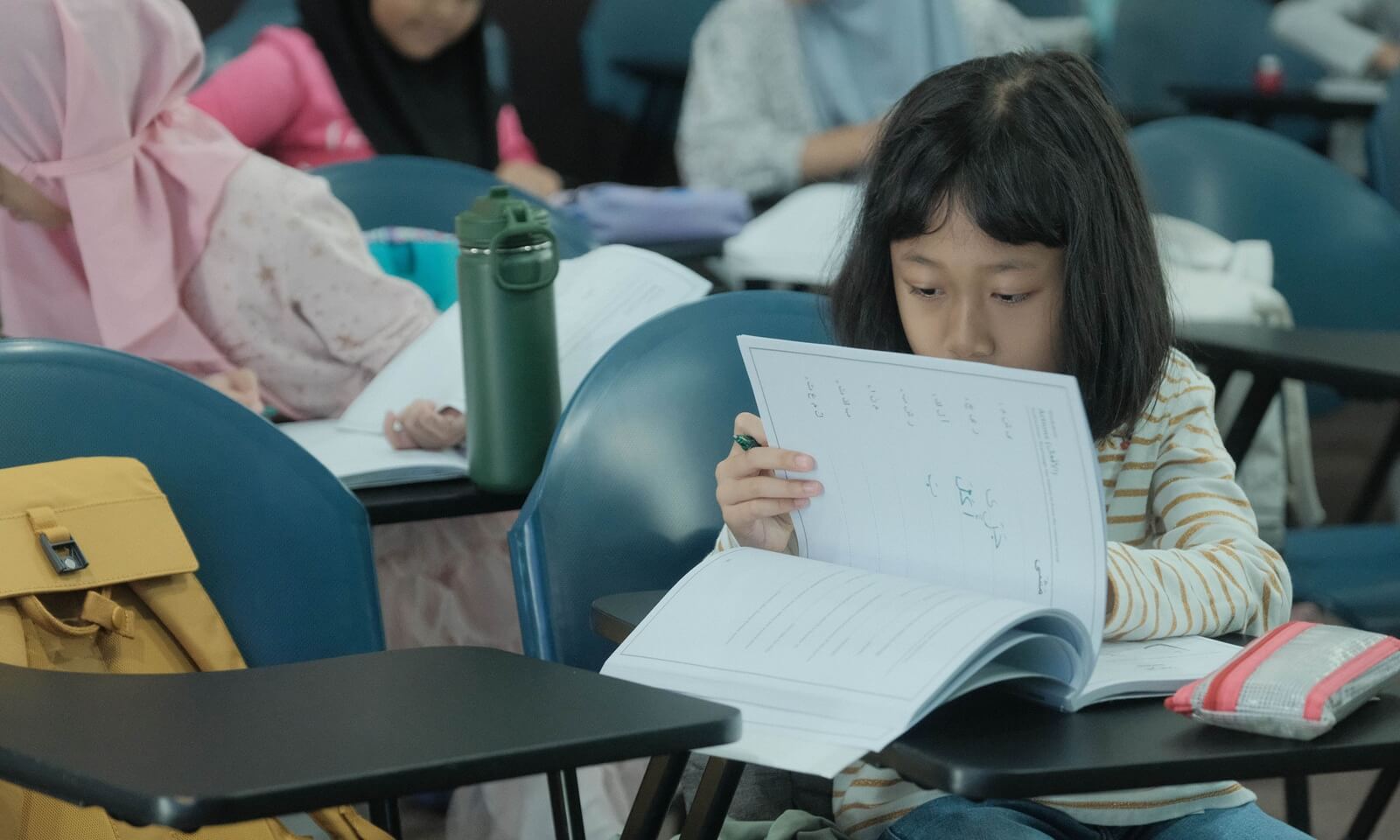
Islamic education plays a central role in shaping the religious character of any community. In Singapore, Islamic education takes many forms: formal madrasah education, weekend and evening classes, mosque programmes, online learning, and increasingly, a rich ecosystem of Islamic content on digital platforms.
At SimplyIslam, we have been part of this educational ecosystem for over two decades, since 2006. Our conviction is that Islamic education must be intellectually rigorous, spiritually nourishing, and practically relevant — addressing the real questions that Singaporean Muslims face in their daily lives, while remaining rooted in the authentic tradition.
We believe that a Muslim who understands their faith deeply — who knows not just what Islam teaches but why, and who can articulate the wisdom embedded in Islamic practice — is far better equipped to live as a confident, committed Muslim in a plural society than one who follows rules by rote without understanding.
A Community with a Future
Singapore’s Muslim community has remarkable strengths: deep historical roots, strong institutions, a tradition of civic engagement, and the living heritage of one of the world’s great religious traditions. We also face real challenges — the challenge of maintaining depth of faith in a secular environment, the challenge of inclusion and unity across our internal diversity, and the challenge of producing the next generation of scholars, leaders, and exemplary citizens.
These challenges are not cause for despair. They are the perennial challenges of any living faith community — and meeting them with wisdom, sincerity, and collective effort is itself a form of worship. Our community has navigated six centuries of change and challenge. With Allah’s grace, and with the right investment in education, scholarship, and community, we will navigate this century and beyond too.
May Allah bless Singapore’s Muslim community, strengthen our faith, and make us a source of goodness for our country and the world. Ameen.
Mohamed Nassir is Chairman of the SimplyIslam Education Group and is Head of Studies at the Inter-Religious Relations in Plural Societies (SRP) Programme at the S. Rajaratnam School of International Studies (RSIS), Nanyang Technological University (NTU), Singapore. His research interests include interfaith studies, Islamic education, and religious exclusivism and extremism.