As itself being a pure religion for all the Muslims, Islam also calls for the purity of the Muslim self. Conforming totally to Islam asks for a complete change in the lifestyle which pertains to thoughts, ideas, conduct and behavior. Where our religion lays out rules for all these implicit characteristics it has not left out man’s own explicit self; the human body.
Cleanliness or purity or Taharah is as important to a Muslim as health is to body. Not only as a physical aspect but through a spiritual aspect as well, a pure Muslim feels more close to Allah SWT because he is following the rules laid out for him by the Supreme Almighty. Where many people would consider cleanliness as a desirable attribute, Islam insists on it making it a fundamental of faith.
We all know it is important from health’s perspective to stay clean. We need to keep our whole body clean to stay away from all sorts of sicknesses that might attack us. Ever wondered what happens when we keep our nails dirty, we don’t eat food with our fingers then we eat dirt and with dirt comes all the symptoms of unknown disease that makes it necessary for us to see our doctor’s bills for the month. But if we follow the rules of Taharat, we will come to know how good it is to keep clean and how effective it is for health. Allah SWT says in Quran “For Allah loves those who turn to Him constantly and He loves those who keep themselves pure and clean”. (2:222)
So what should we do in order to keep the Taharat in us alive. A good example we see and experience everyday as Muslims is during the prayer time. Abulution is a prerequisite for every Muslim for offering prayers, touching Quran and even going to the mosque. It is a way to get ourselves pure to face Allah SWT. He specifically asks us to clean our faces, hands, elbows, head and feet when preparing for prayer and if we don’t find water we use sand (5:6). To the end of which He says, “Allah does not wish to place you in a difficulty, but to make you clean, and to complete his favour to you, that you may be grateful”
Our Prophet SAW in many incidents laid out the importance of keeping body parts clean. He liked to stay clean himself and often advised his Companions to stay clean as well.
On another occasion he SAW said, “Don’t ever come with your hair and beard disheveled like a devil.” (Tirmizi). Much of his life is an example of taharah for Muslims to follow.
While having lunch and dinner, even the doctors tell us to wash our hands before taking any food, because we are taking many germs in our bodies that we are not aware of. Many of the disease are caused by whatever we eat. The stomach can prove to be a portal for all diseases to spread in the body. So it is important to know what we are taking in and how we are taking it. Prophet SAW said, “Food is blessed when one washes his hands before and after it.” (Tirmidhi).
[pullquote_right]Prophet SAW said, “Food is blessed when one washes his hands before and after it.” (Tirmidhi).[/pullquote_right]
Even after taking our food much of it is stuck in our teeth but we don’t often spend much time looking after our teeth during the day. The Prophet SAW even signified its importance by saying, “Had I not found it difficult for my followers, I would have ordered them to cleanse their teeth before every prayer” (Sahih Bukhari), referring to the use of the miswak.
So these are important things to understand for conforming to taharah. There is a lot of health benefits associated with it. Keeping ourselves and our environment clean will not only affect us and keep us away from illness but everybody encountering the surroundings. Acquiring the habit of taharah will automatically create a sense of keeping the surrounding clean as well.
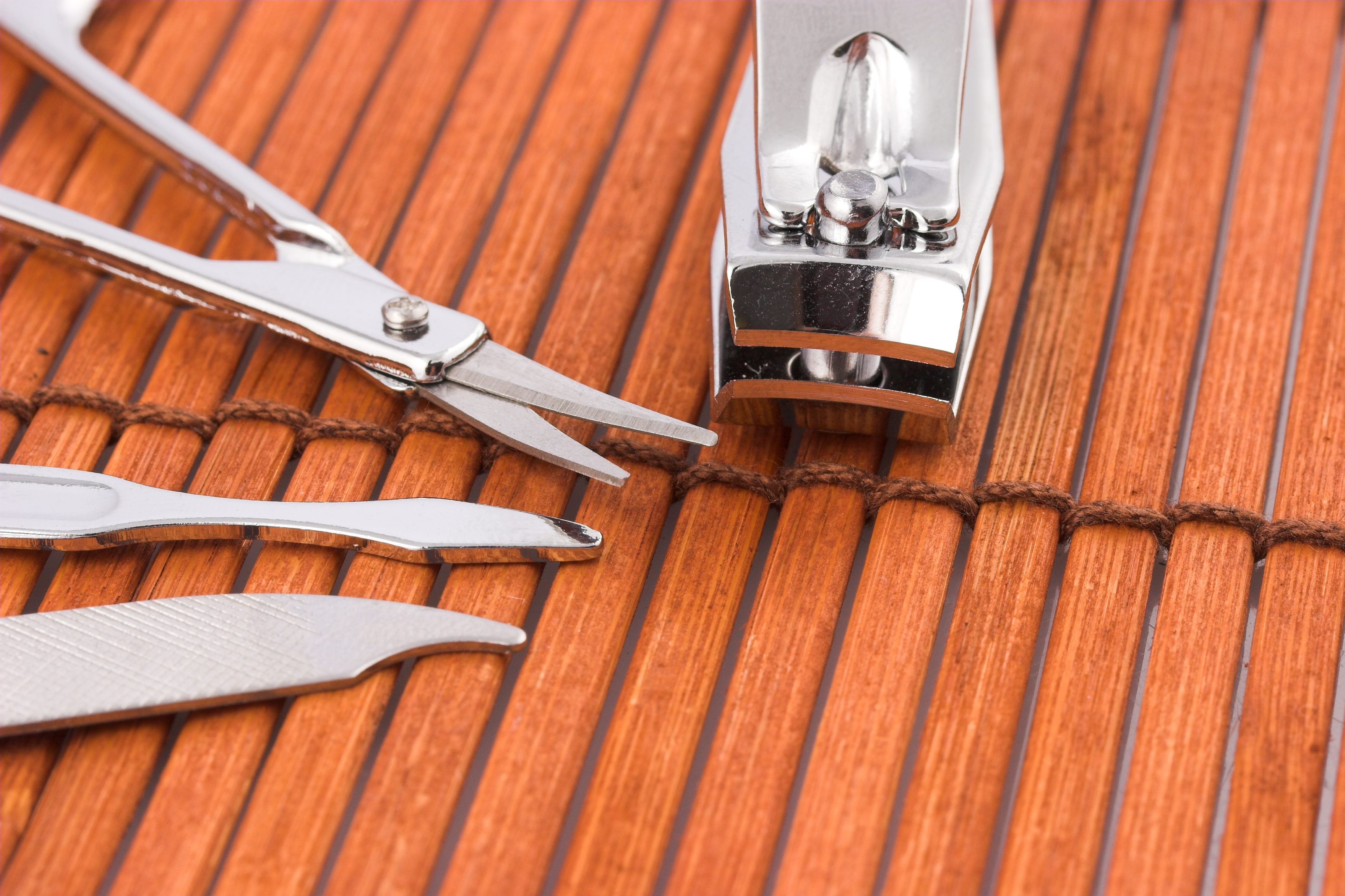
Islam points out the important factors in cleanliness by emphasizing on ablution (wudhu‘), bathing (ghusl), hair removal and cleansing and nail shortening. These essentially make up for the taharah of the whole body. Keeping clean results in better health, and it doesn’t even take that much effort and resources.
Sadaf Siddique
Sadaf Siddique holds a degree in Computers and a Masters in Business Administration. She is the mother of a 2-year-old boy, a part-time writer and a full-time homemaker.